GMC Sierra Trucks With Turbo 2.7L Engine Requires Fuel Injector Fix
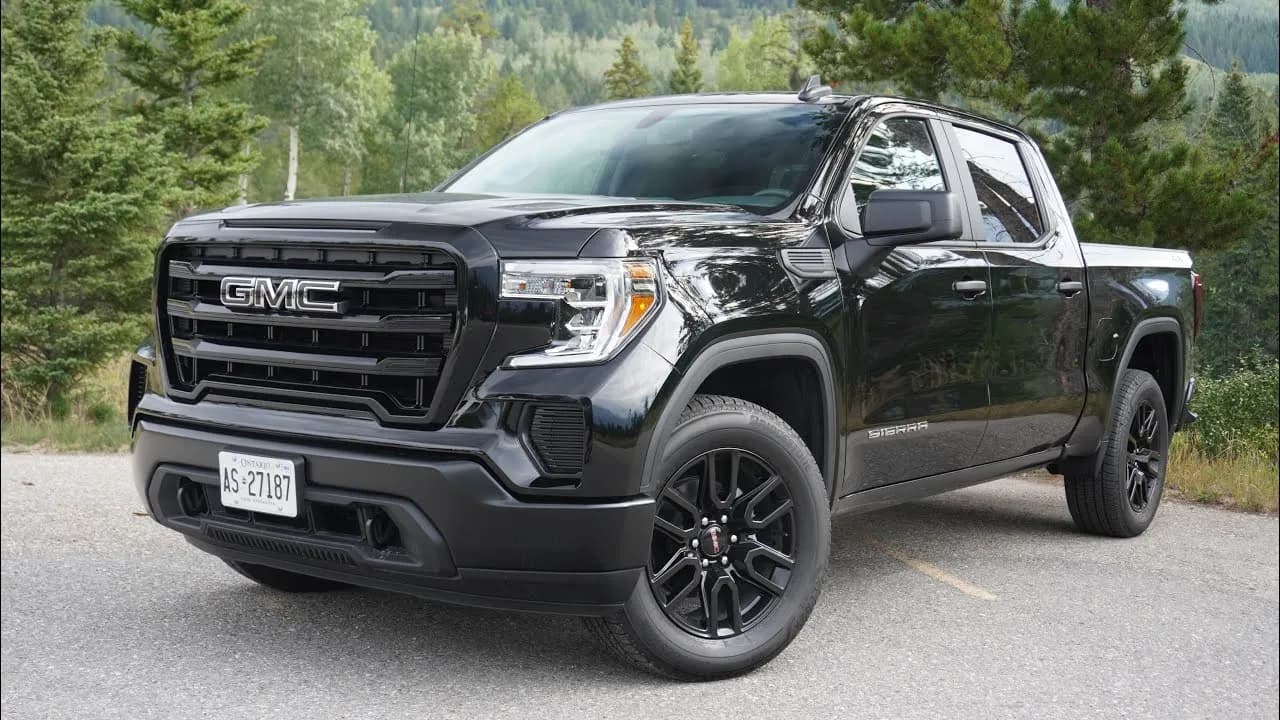
GMC Sierra trucks equipped with the turbo 2.7L engine are facing a new issue, and General Motors has already released a service update to address it. The problem centers on fuel injector flow rate and shows up across several GM models, including the 2019-2022 GMC Sierra 1500 pickup built with the turbocharged 2.7L I4 L3B gasoline engine.
According to Service Update N242450631, the Engine Control Module (ECM) in affected trucks fails to adequately control fuel injector flow rate under certain driving conditions. That can lead to inefficient combustion, meaning the engine doesn’t perform as well as it’s designed to.
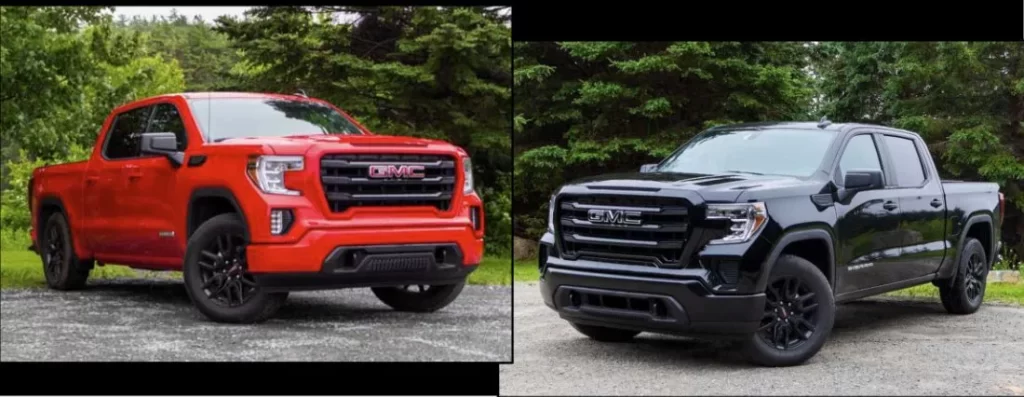
Turbo 2.7L Engine Specs and Affected Models
The trucks involved in this service update are known for solid power output. In the 2019, 2020, 2021 and pre-refreshed 2022 GMC Sierra 1500 models, the turbocharged 2.7L I4 L3B engine makes 310 horsepower and 348 pound-feet of torque.
The updated 2022 GMC Sierra 1500 gained more torque, 430 pound-feet, while keeping the same horsepower figure. That bump reflects the ongoing refinements GM has made to this engine over its production run.
Service Update Details and Remedy
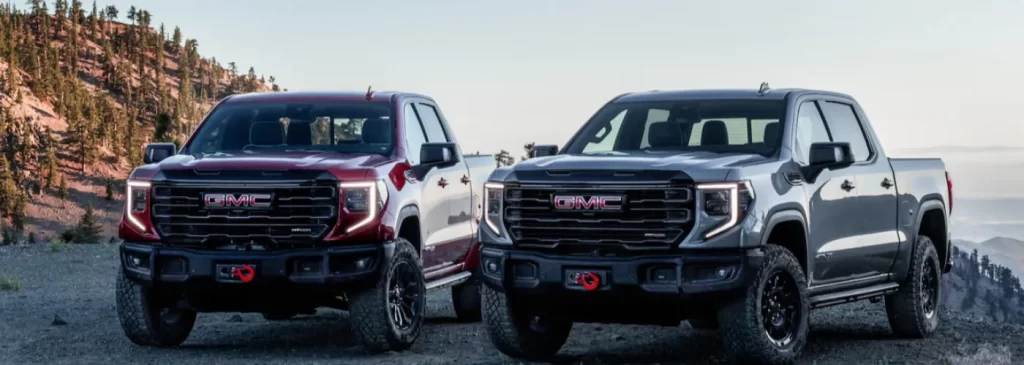
Although the exact number of affected trucks remains unclear, GM has instructed dealer service teams to apply the fix to any remaining affected Sierra units still in inventory, plus any trucks owners bring in for other service. The repair is free to the customer and remains available under this coverage until September 30, 2039.
Fixing the fuel injector flow rate issue just means reprogramming the ECM. No additional components are required, and the diagnostic and reprogramming procedure takes about 30 minutes. If a dealer can’t complete the repair on the spot, Sierra owners might be offered a courtesy vehicle in the meantime.
Other GMC Sierra Engine Options Unaffected
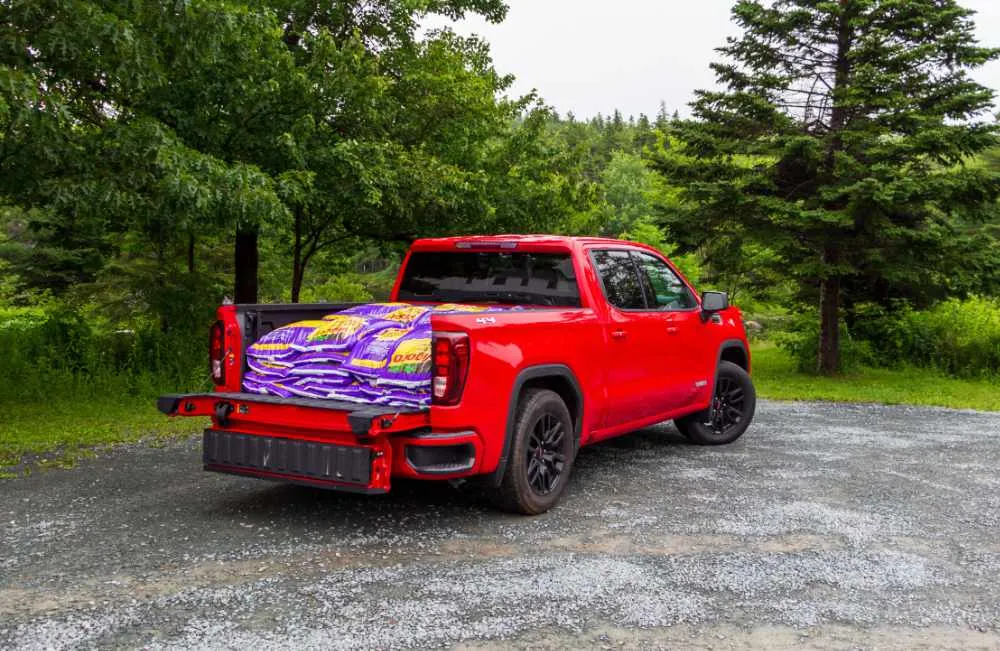
This service update doesn’t affect the other three powertrain choices available for the GMC Sierra 1500. Those include the naturally aspirated 5.3L V8 L84 gas engine, which makes 355 horsepower at 6,500 rpm and 383 pound-feet of torque at 5,250 rpm; the naturally aspirated 6.2L V8 L87, which makes 420 horsepower at 6,600 rpm and 460 pound-feet at 4,000 rpm; and the 3.0L I6 LM2 turbodiesel.
Owners of Sierra trucks with other engines can rest easy: this issue is isolated to the turbo 2.7L and doesn’t affect the performance or reliability of the other powertrain options. That gives buyers the flexibility to choose whichever engine fits their needs without worrying about this particular fuel injector problem.
GMC Sierra 1500 Platform and Production
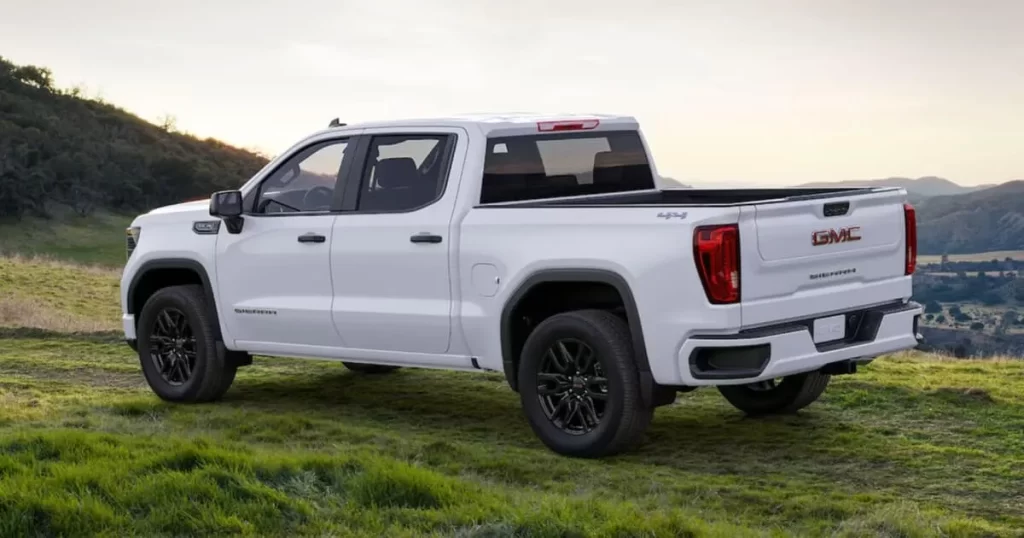
Modern GMC Sierra 1500 models, particularly those from 2019 and newer with the turbo 2.7L engine, are built on GM’s T1 platform. This platform underpins various GM full-size pickup trucks and SUVs, giving these engines a robust and reliable foundation to work from.
Production takes place at two locations: the GM Fort Wayne plant in Indiana and the GM Silao plant in Mexico. Both facilities follow strict quality control standards to ensure a consistent build for every GMC Sierra 1500 that rolls off the line.
Final Thought
GM is addressing the fuel injector flow rate issue at no cost to owners, and the fix itself is straightforward: reprogramming the ECM to restore the pickup’s intended performance and efficiency.
Owners of GMC Sierra 1500 trucks with the 2.7L I4 L3B turbo engine should schedule a visit with their dealership to get the software update done. It’s a quick fix that keeps these capable pickups running the way they’re supposed to.
Safety note: This guide is for general informational purposes. Brake systems are safety-critical — if you're unsure at any step, or the work requires specialized tools, have it inspected or completed by a qualified technician.
Related Guides
 Sierra
2024 GMC Sierra EV Recall: Dim Turn Signals Pose Safety Risk
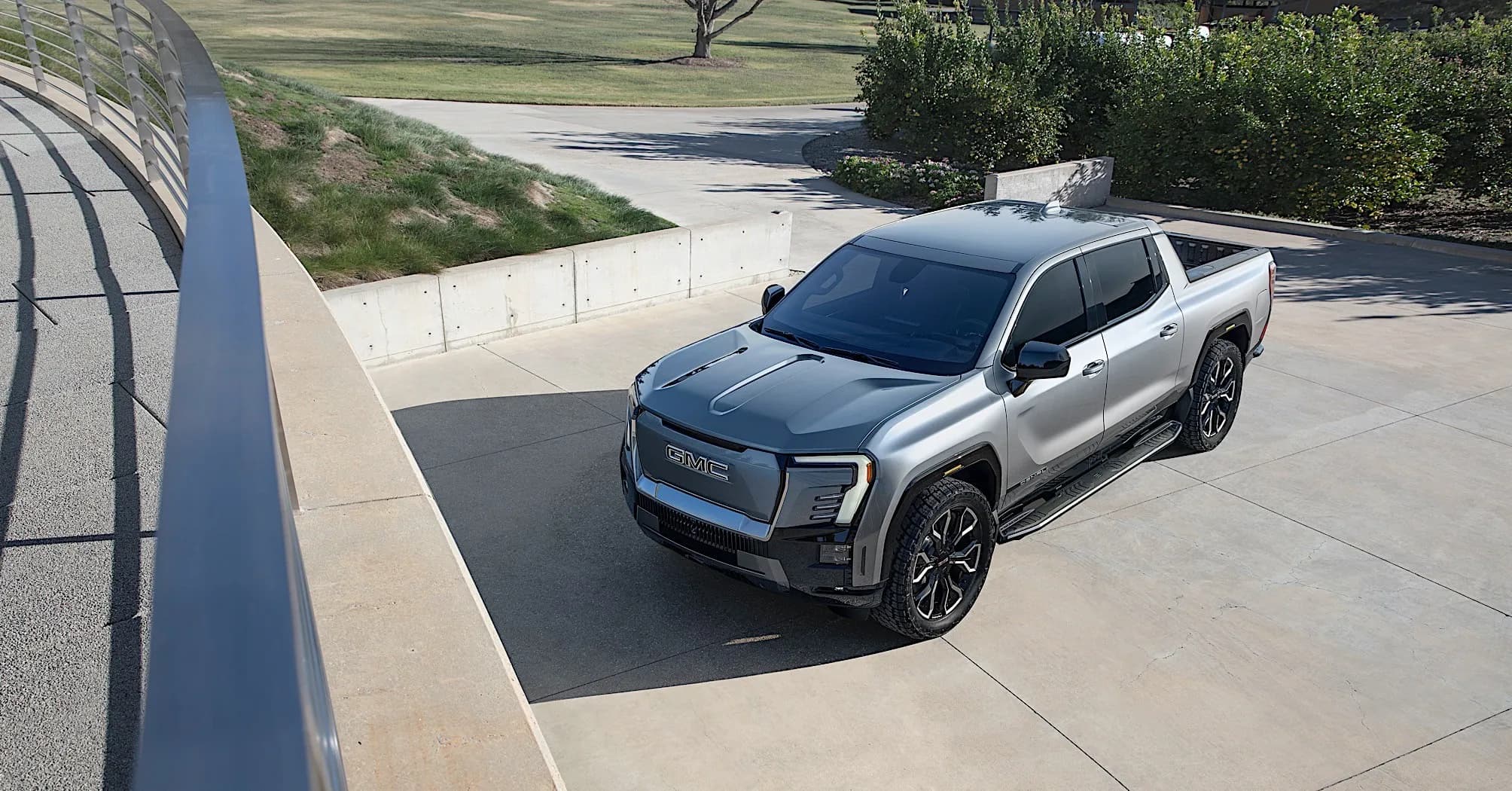
GMC’s first electric pickup truck, the 2024 Sierra EV has only been teased but is already up against its first challenge. General Motors has recalled 1,962 of the 2024 GMC Sierra EV trucks because of a safety concern with the front turn signals and parking lights. As mentioned by the NHTSA, the mode
 Sierra
GMC Yukon and Sierra Now Available in Europe
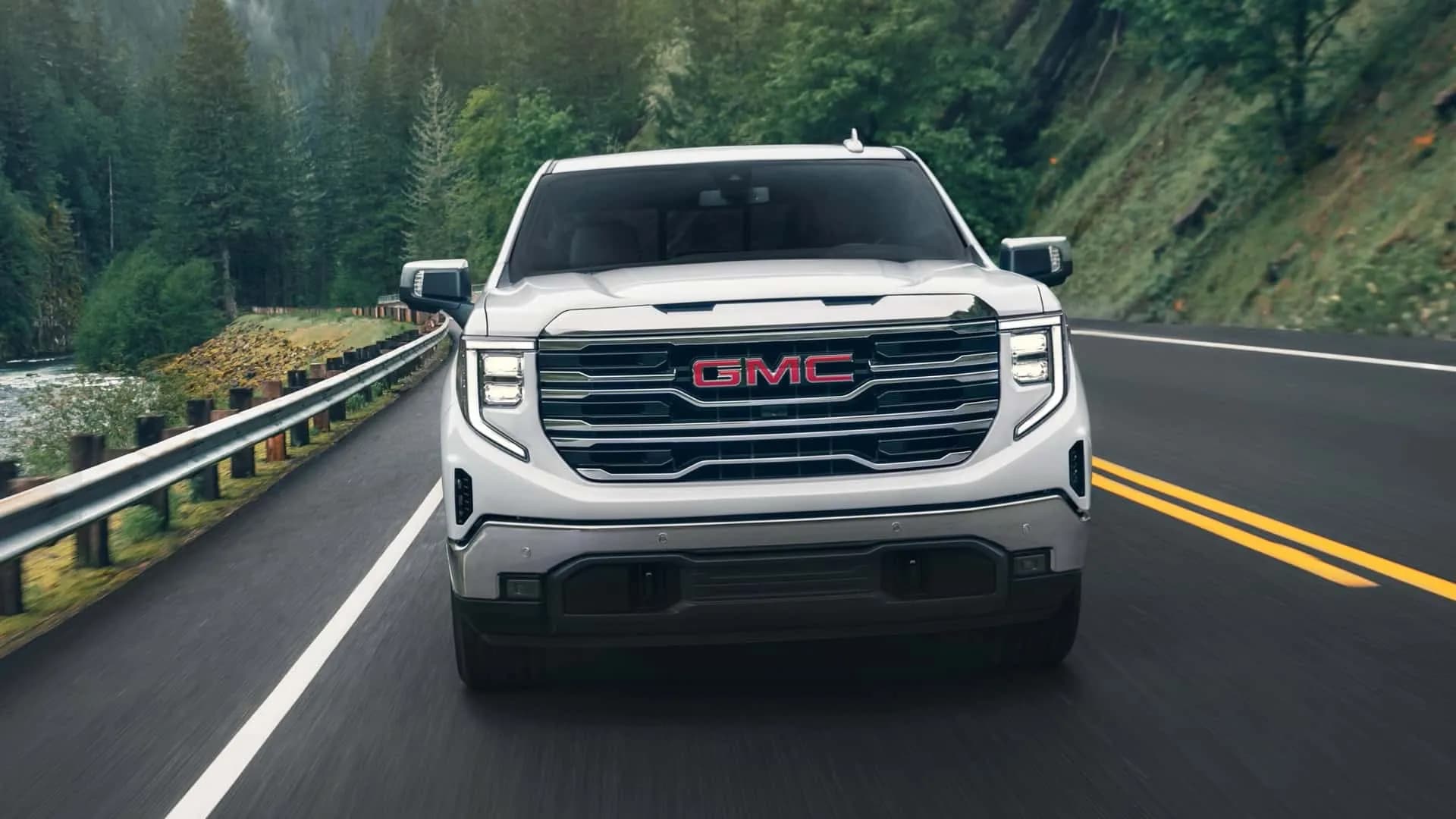
The AE CSV has gracefully revealed the import of GMC Yukon SUVs and Sierra pick up 2025 models boosting the portfolio of general motors in the European automaker market. This is the largest range of GM SUVs and trucks that has been launched across Europe, in response to the continually increasing ne
 Sierra
GMC Aims to Lead Electric Truck Market with New Sierra EV
GMC, the luxury truck and SUV brand, under General Motors is aiming to lead the way in the growing electric truck market in the United States. By introducing its Sierra EV pickup GMC is challenging competitors such as Tesla, Ford and Rivian who have already entered the electric truck market. The Sie