2020 GMC Sierra 1500 Brake System Control Module: Diagnostics & Replacement
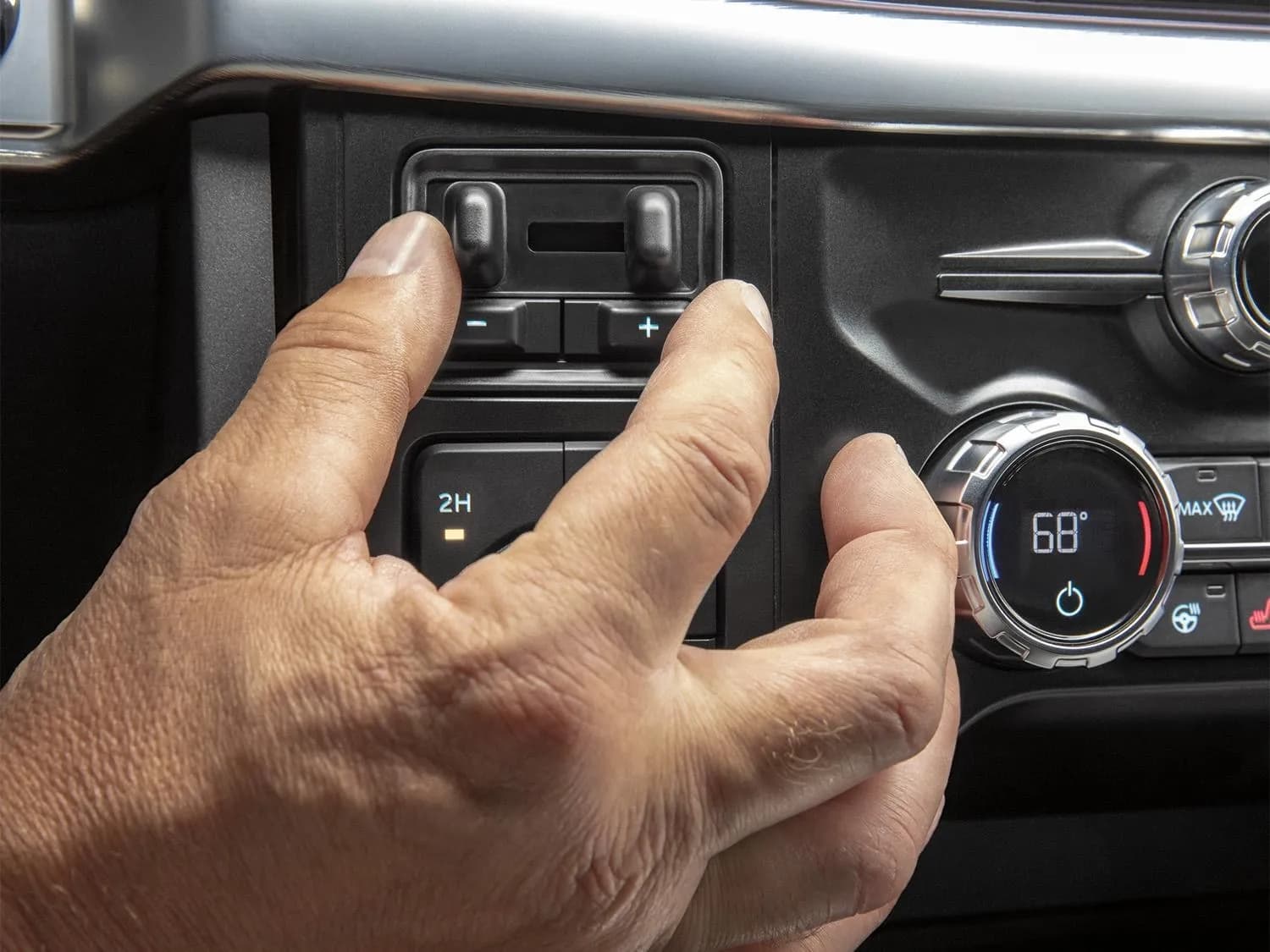
The brake system control module is a critical component in the 2020 GMC Sierra 1500. Additionally understood as the ABS control module, it oversees the anti-lock braking system to assure reliable braking performance, particularly in adverse road conditions. Malfunctions in this module might result in a variety of braking problems that risk vehicle safety. Let’s take a closer look at diagnosing and replacing the brake system control module in the 2020 Sierra 1500.
Common Symptoms of a Failing Brake System Control Module
A faulty brake system control module in the 2020 GMC Sierra 1500 can manifest in several ways:
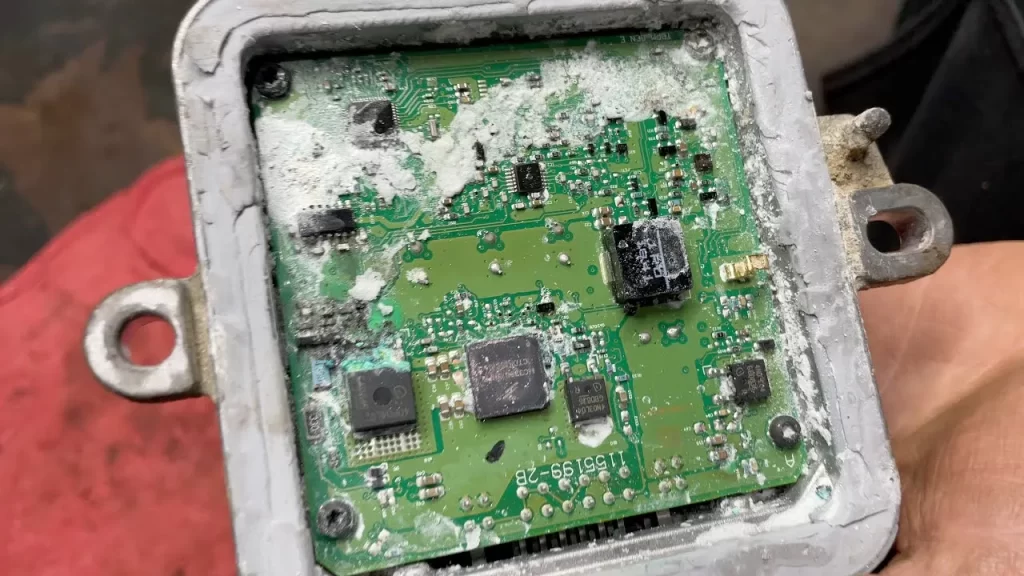
- The dashboard has the ABS warning light lit up.
- When the brakes are applied, they give off abnormal pulses or vibrations.
- Braking distance increases
- The brakes either catch or lock up without warning.
- DTCs tied to the ABS are stored in the system
If you find any of these symptoms in your 2020 Sierra 1500, prompt diagnosis of the problem is crucial. Ignoring a malfunctioning brake system control module can lead to unpredictable braking behavior and potential accidents.
Diagnosing the Brake System Control Module
Before replacing the brake system control module, it’s crucial to perform proper diagnostics to confirm it is indeed the root cause. Here are some steps to diagnose the module:
- Look for DTCs employing an OBD-II scanner. Be aware of codes including C05D4 (Brake Master Cylinder Piston Position Sensor Calibration Not Learned) and P0602 (Control Module Programming Error).
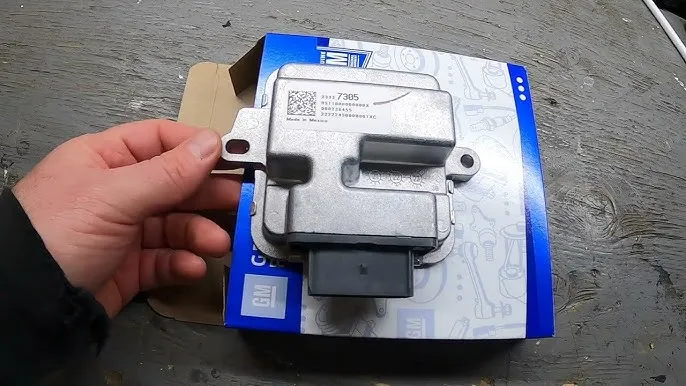
- Visually inspect the brake system control module and its wiring harness for signs of damage, corrosion, or loose connections.
- Test the module’s power and ground supplies with a digital multimeter.
- Carry out a hydraulic test to measure pressure loss. If the test fails or aborts, that may point to a problem with the control module.
- Try to calibrate the brake master cylinder piston position sensor using a scan tool. If the module faces repeated calibration failures, it’s likely faulty.
- In some cases, brake system control module issues can be caused by outdated software. Check whether an update is available for the module and reflash it if needed.
Replacing the Brake System Control Module
If diagnostics confirm a faulty brake system control module, replacement is typically necessary. Here are the general steps involved:
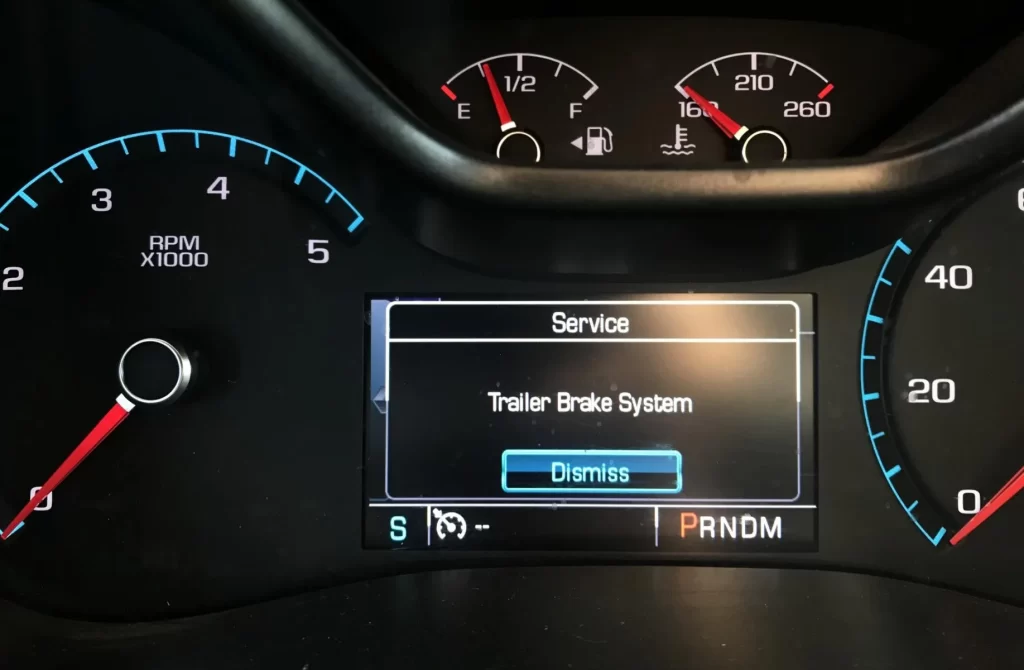
- Locate the brake system control module, which is usually mounted near the brake master cylinder or inside the engine compartment.
- Unplug the electrical connector of the module and remove all mounting bolts.
- Fit the new control module and securely reconnect the electrical connector.
- Reconnect the negative battery cable.
- Do any needed calibrations or relearns using a scan tool in accordance with the instructions from the manufacturer. This may comprise the brake master cylinder piston position sensor calibration.
- Check the vehicle’s road performance to ensure its braking works accurately and that no warning signals are illuminated.
When purchasing a replacement brake system control module for your 2020 GMC Sierra 1500, it's recommended to use an OEM unit for optimal compatibility and performance. GM part number 84634366 is a genuine brake system control module used across several GM full-size platforms for these model years, but exact fitment depends on your specific options (such as whether the truck has adaptive cruise control), so confirm the correct part number for your VIN with a GM parts counter or dealer before ordering. Aftermarket modules aren't guaranteed to work as reliably.
Tips for Avoiding Brake System Control Module Failure
While brake system control modules are designed to be durable, there are some steps you can take to help prevent premature failure:
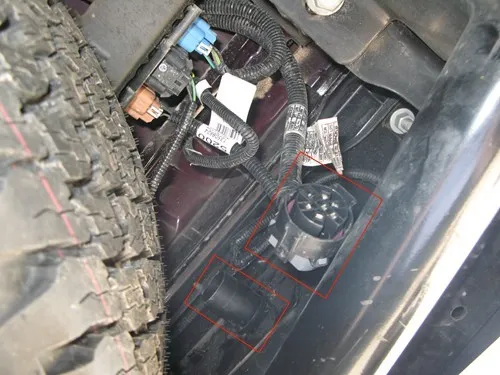
- Keep the module and its connectors free of corrosion and in clean condition. Check and clean every so often as needed.
- Do not allow the module to come into contact with extensive moisture or water ingress.
- Keep the brake fluid level at its proper level and change the fluid according to the guidelines from the manufacturer.
- Respond rapidly to any brake system problems to avoid unwanted stress on the control module.
- When performing repairs or upgrades, stick to only the best brake components.
- By following these tips and staying on top of brake system maintenance, you can help extend the life of your 2020 GMC Sierra 1500’s brake system control module.
Final Thought
The brake system control module plays a vital role in the safe and proper functioning of the 2020 GMC Sierra 1500’s brakes. If a problem with this component seems likely, thorough investigation using codes, visual checks, and tests is the right first step. In many cases, replacing the module is what it takes to restore normal braking operation.
Be sure to use OEM parts for the best results, and follow the manufacturer’s calibration procedures closely after installation. By promptly addressing any brake system control module issues, you can help ensure your 2020 Sierra 1500 maintains its braking performance and keeps you safe on the road.
Safety note: This guide is for general informational purposes. Brake systems are safety-critical — if you're unsure at any step, or the work requires specialized tools, have it inspected or completed by a qualified technician.
Related Guides
 Sierra
Why Won't My GMC Sierra's Brake Warning Light Turn Off?
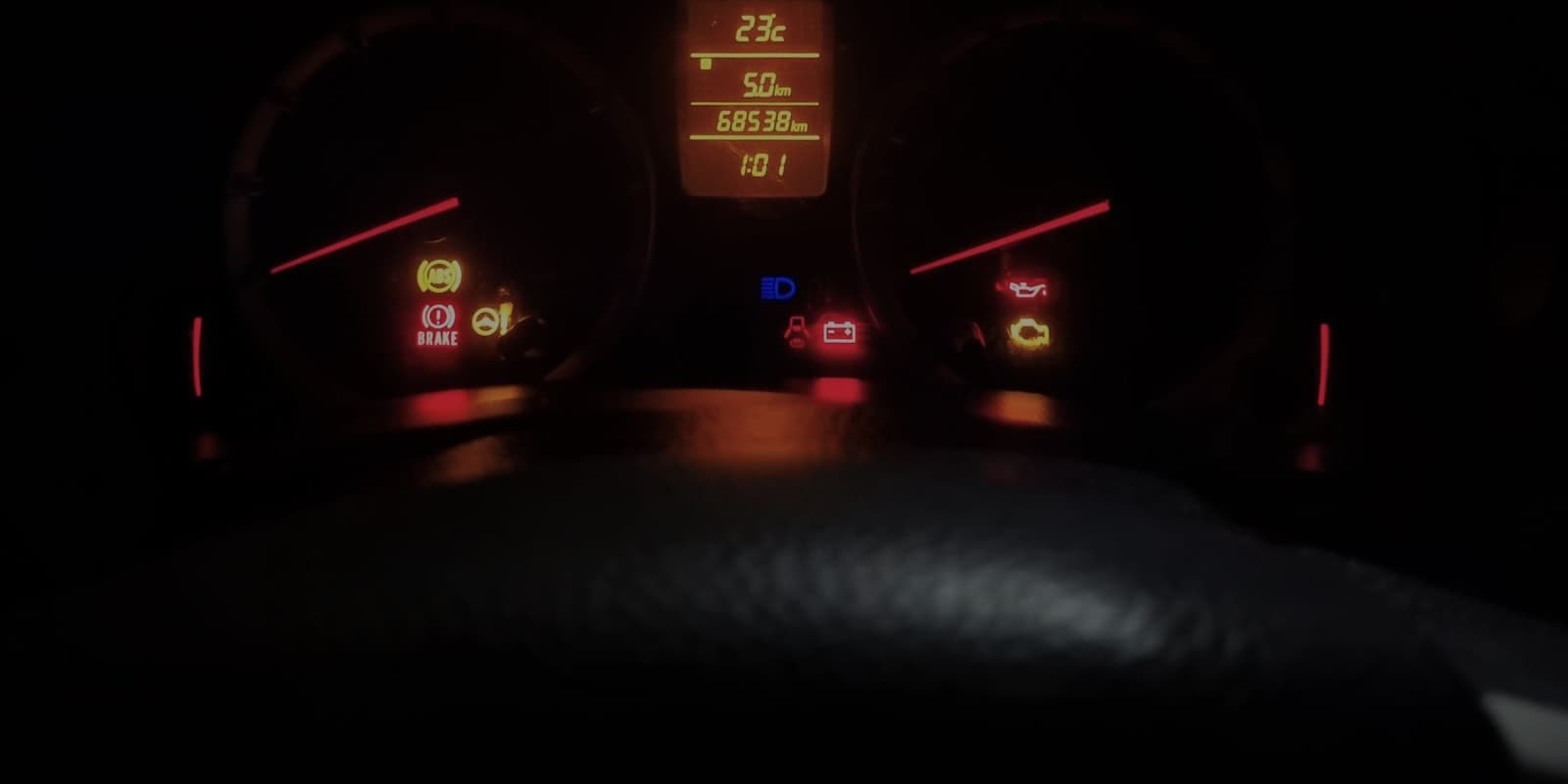
If your Sierra's brake pads and fluid both check out fine but the warning light stays lit, the cause is usually a stuck parking brake switch, a faulty fluid level sensor, or an electrical fault rather than the brakes themselves. Here's how to narrow it down.
 Sierra
How to Bleed ABS Brakes on a GMC Sierra
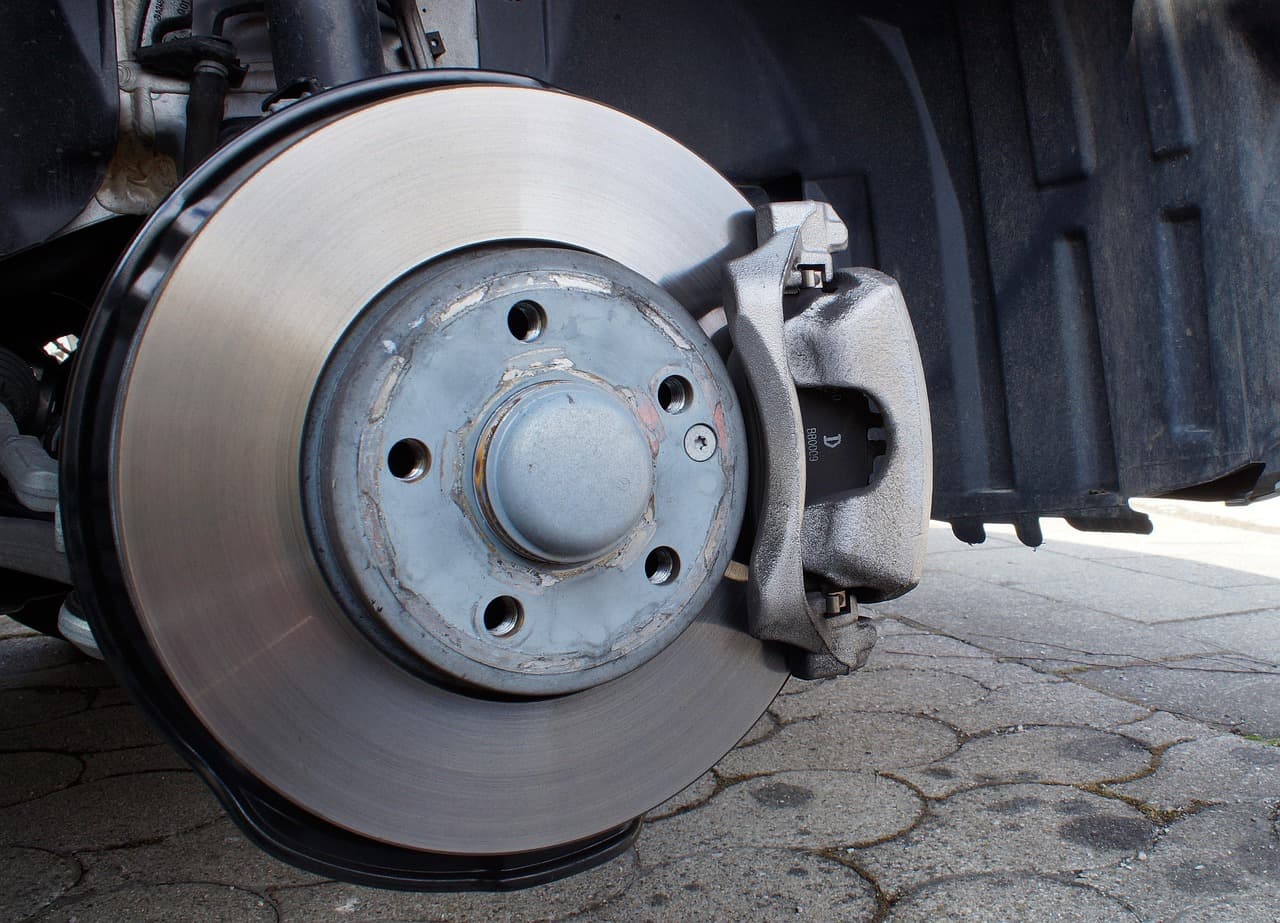
Standard two-person bleeding can leave air trapped inside the ABS modulator itself, which is why some Sierras keep a soft pedal even after a textbook bleed. Here's when that happens and how a scan tool-driven ABS bleed clears it.
 Sierra
GMC Sierra Soft Brake Pedal — Causes and What to Check
A soft or spongy brake pedal on a GMC Sierra usually points to air in the brake lines, a fluid leak, or a wearing master cylinder, roughly in that order of likelihood. Here's how to narrow it down and decide how urgently it needs attention.