Does The GMC Acadia Have Engine Problems?
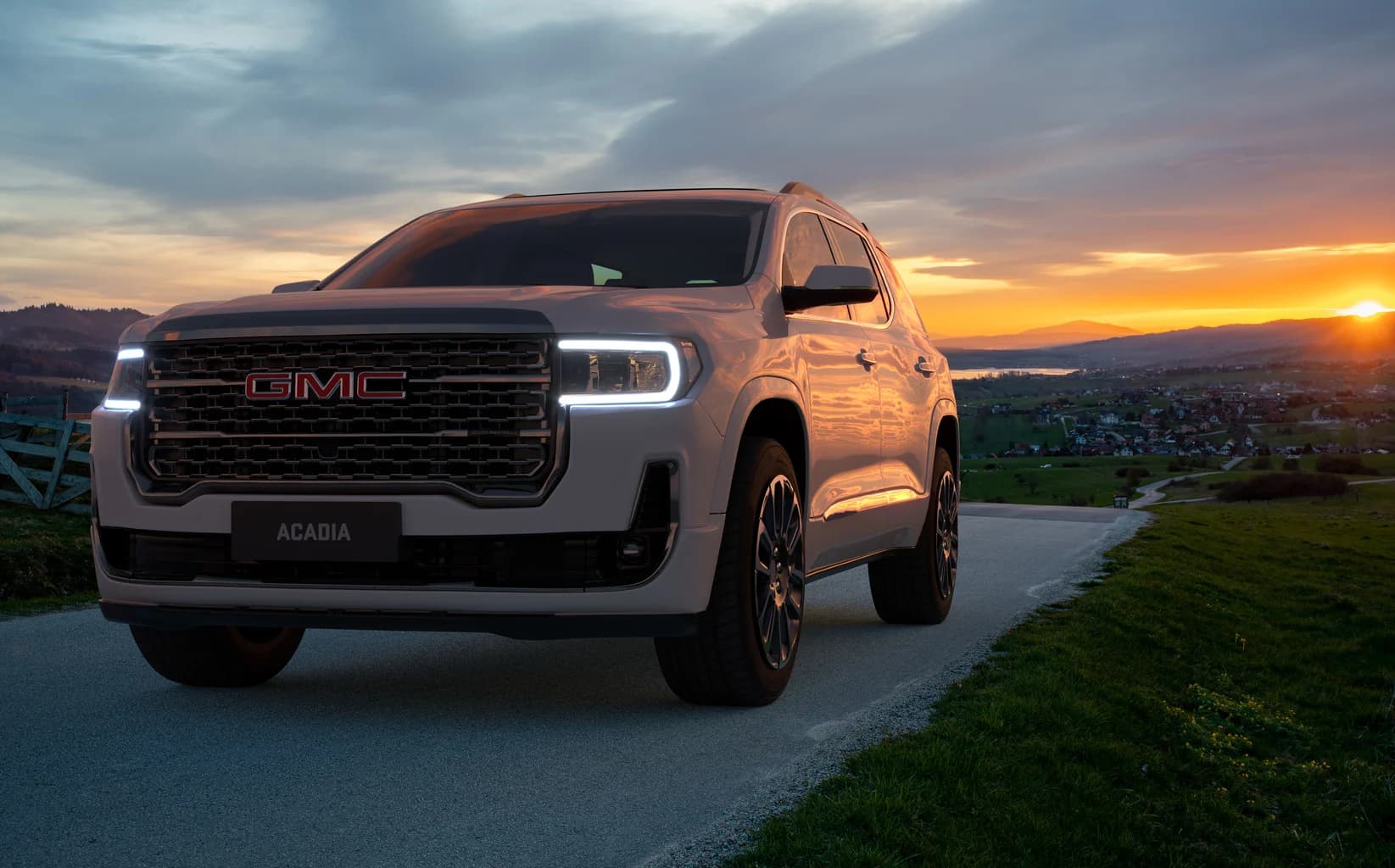
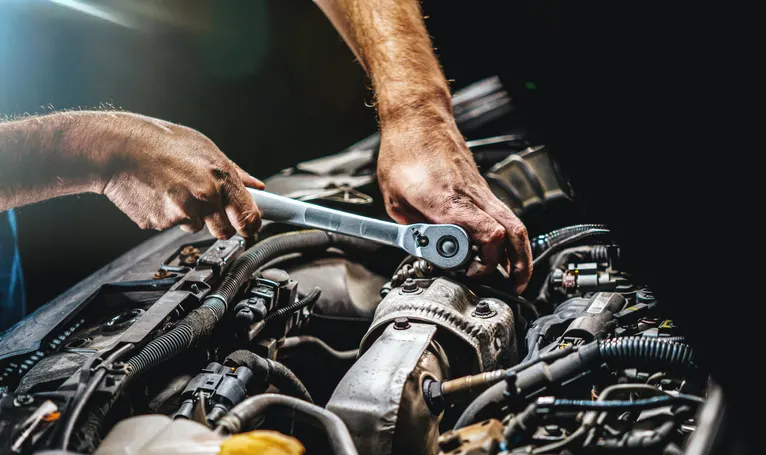
The GMC Acadia has been a popular midsize SUV choice since it first hit the market, but like any vehicle, it isn’t immune to mechanical issues. Anyone considering an Acadia, new or used, will want to know what engine problems other owners have run into under the hood.
What Engines Does The Acadia Have?
The Acadia is available with a few different engine options. The base engine is a 3.6L V6 that puts out 288 horsepower, and it’s the option most shoppers gravitate toward. GMC also offers a 2.5L 4-cylinder on some models that gets slightly better gas mileage but less power at 194 horses.
For a few years, they had a hybrid version with a 2.4L 4-cylinder and electric motor assist. But that’s been discontinued now so the choices are basically just the V6 or the base 4-banger. Both hook up to a 6-speed automatic transmission.
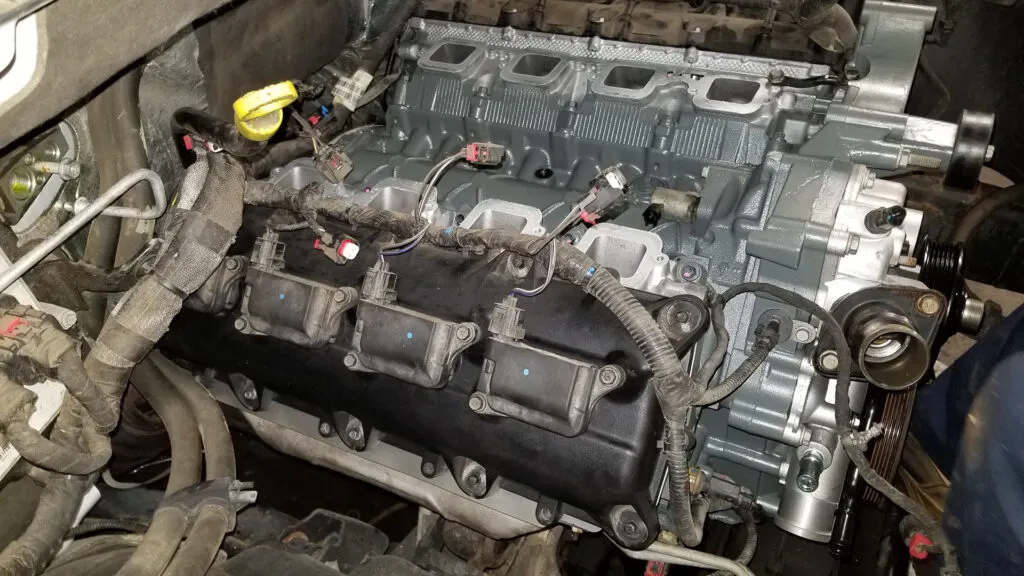
Common Engine Problems People Report
After scouring owner forums and reviews, these are some of the more common engine problems Acadia drivers report:
Oil consumption issues: A lot of owners say their Acadia seems to burn through oil pretty quick. You may need to constantly check and top it off between changes. Some report as much as a quart every 1,000-2,000 miles.
Knocking or pinging noises: Especially under acceleration or high RPM. Could be a sign of premature carbon buildup or other internal issues. The 3.6L V6 seems most prone to this.
Misfires: Random misfires will cause jerky acceleration, rough idle, and that dreaded check engine light. Moisture intrusion or worn spark plugs/coils are usually the culprit.
Stalling: Some Acadias stall out at idle or when coming to a stop. Could be caused by faulty ignition coils, mass air flow sensors, or other engine management components going bad.
Low power or hesitation: Feels like it’s lost some pep under the hood. Dirty fuel injectors or a clogged catalytic converter restricting exhaust are common causes here.
Carbon buildup leading to knocking, oil consumption woes, and ignition/fuel delivery issues causing stalling and misfires seem to be the biggies as far as potential engine problems go with these GM SUVs. Nothing too major usually, but annoying stuff to deal with for sure.
How Common Are Engine Problems Really?
It’s tough to say exactly how widespread these engine problems are since every vehicle and driving situation is different. But based on looking through forums, it seems like a decent number of Acadia owners encounter at least one of these issues within the first 100,000 miles or so.
Some owners report their 3.6L V6 Acadia went 150,000 miles with no problems, while forum discussions suggest that roughly 30-40% of owners experience something like excessive oil use, stalling, or knock/ping issues by the 100,000-mile mark. Even more will run into a misfire or two along the way.
There are also plenty of Acadias that sail past 200,000 miles without any major engine problems, so the reality is a mixed bag. Proper maintenance and avoiding extended periods of idling or sitting can help reduce the risk of issues developing.
Are Engine Problems Covered Under Warranty?
Thankfully, GM has extended some warranties on certain Acadia engines due to the widespread nature of these problems. For example, the 3.6L V6 now has a 100,000 mile/10 year warranty against excessive oil consumption. And ignition coils are covered for 100k miles as well.
So if you experience excessive oil use or stalling/misfire issues within the warranty window, the dealer should take care of repairs for free. After 100k though, you’re on the hook if anything goes wrong. Extended warranties can provide some extra peace of mind past the factory coverage if you’re worried.
Should You Avoid The Acadia Due To Engine Problems?
Ultimately, it comes down to a judgment call. As long as a buyer is prepared to potentially deal with things like burning oil, carbon buildup knocking, or ignition component failures down the road, the Acadia is a pretty solid SUV otherwise. It’s worth budgeting for possible unplanned repair bills after 100,000 miles.
These engine problems shouldn’t automatically rule out an Acadia, but buyers should go in accepting they may arise at some point. Keeping up with maintenance and watching for early warning signs goes a long way toward avoiding major issues, and GM’s extended warranty coverage helps offset the risk of the most common problems.
Final Thought
This covers the main engine problems Acadia owners report with the Acadia. As with any used vehicle, there’s always a risk something could go wrong, but consistent maintenance and awareness of these known issues make that risk manageable.
Anyone shopping for an Acadia should go in with realistic expectations about these potential issues and consider an extended warranty for extra peace of mind once the factory coverage runs out.
FAQ
How can I prevent carbon buildup issues in the 3.6L V6?
The best thing is to avoid long periods of idle time and use a fuel injector cleaner every 10-15k miles. Also try not to sit at a complete stop for extended times in traffic; keeping the engine RPMs up a bit when possible helps reduce carbon deposits from forming.
My Acadia is burning a quart every 1000 miles, is this normal?
That level of oil consumption is higher than typical, but still covered under GM’s extended warranty if it’s within 100k miles. I’d keep records of your fill ups and have the dealer take a look to ensure there’s no underlying issue causing excessive burn off.
What are some signs my Acadia might need new ignition coils?
Misfires under acceleration are a big one. You may also notice rough idle, hesitation, or a flashing check engine light. The coils can go bad gradually so monitor for any change in how your engine is running.
When should I replace the spark plugs?
Most mechanics recommend new plugs every 60k-100k miles depending on your driving habits. If you notice any performance issues like misfires or rough idle, it wouldn’t hurt to inspect the plugs early as well.
What fuel should I use to help prevent problems?
Stick to 87 octane or higher from major brands. Mid-grade or premium can help further reduce carbon buildup risks. Stay away from gas station convenience stores as their fuel isn’t rotated as often and could have more contaminants.
Safety note: This guide is for general informational purposes. Brake systems are safety-critical — if you're unsure at any step, or the work requires specialized tools, have it inspected or completed by a qualified technician.
Related Guides
 Acadia
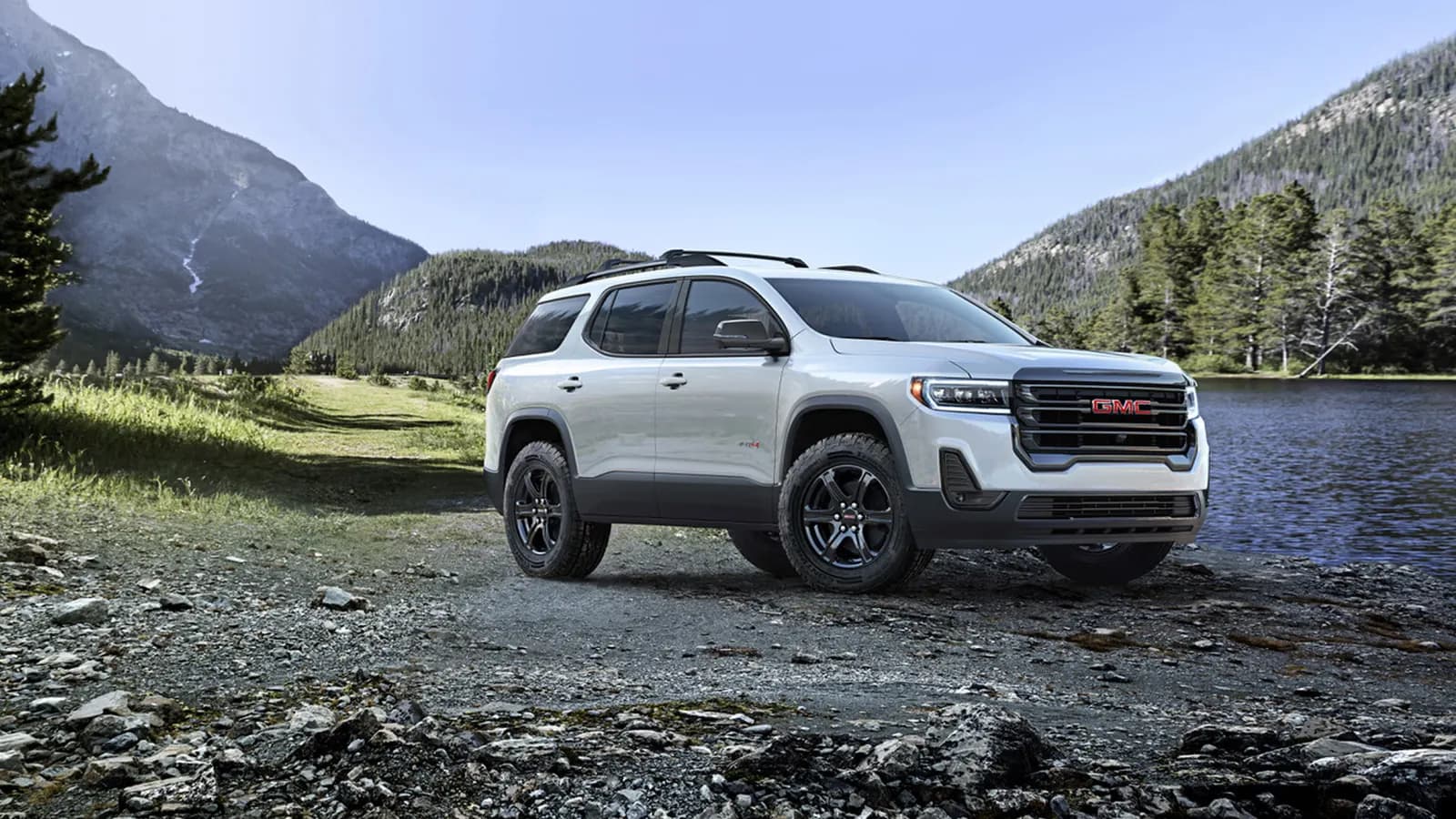
GMC Acadia Sales Drop 59% in Q2 2024 Amid Tough Competition
GMC Acadia sales have taken a significant hit during the second quarter of 2024. Recent statistics show that sales of GMC Acadia have plummeted by a 59 percent, in the United States, Mexico and Canada when compared to the year. This sharp decline in GMC Acadia sales has sparked worries among those i
 Acadia
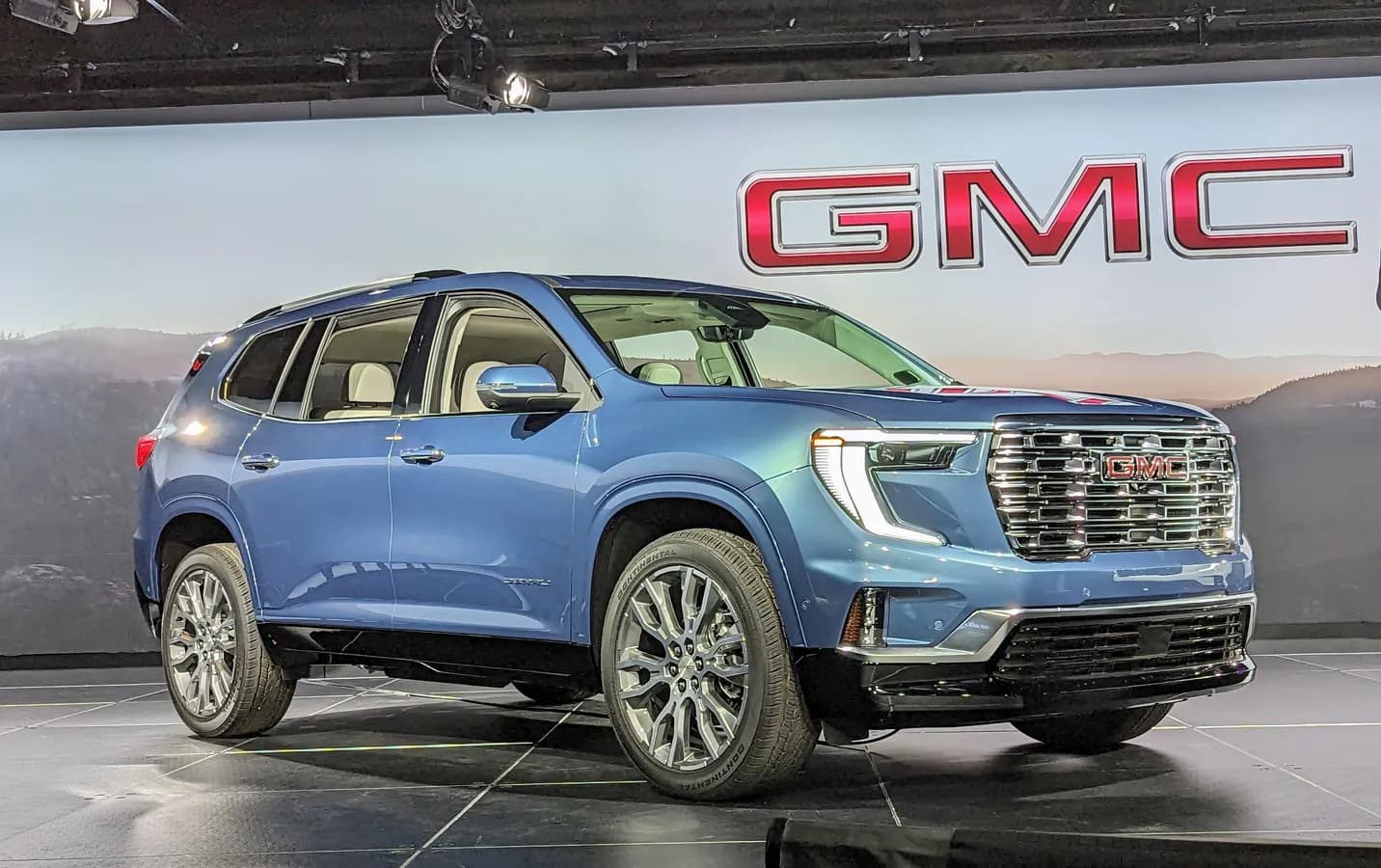
2024 GMC Acadia: Bigger Body, Same Engine
2024 GMC Acadia has received updates expanding in size to provide increased roominess and luxury for both you and your companions.
 Acadia
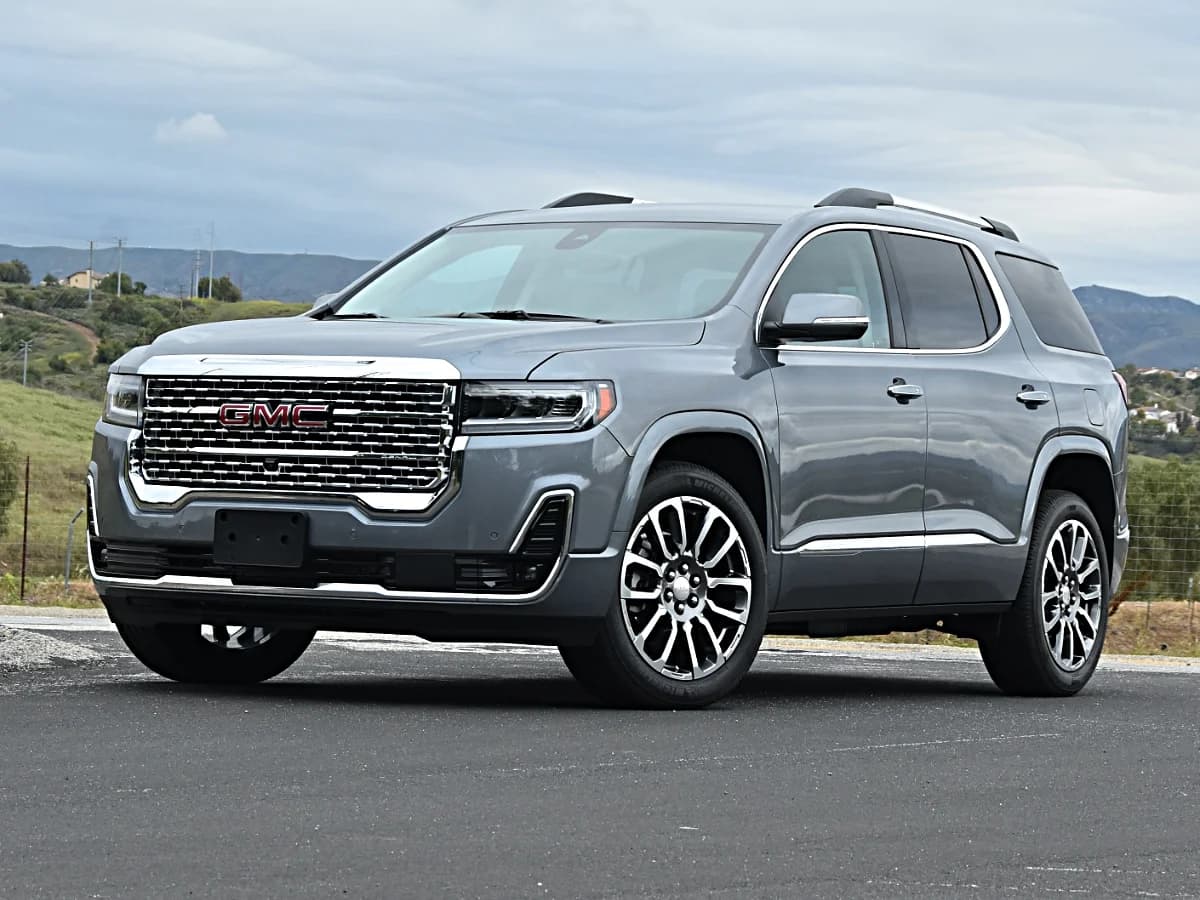
GMC Acadia Discounts Reach New Heights in June 2024
For customers in leasing the 2023 GMC Acadia there’s a $2,500 discount available in certain areas of the United States.