GMC Sierra Soft Brake Pedal — Causes and What to Check
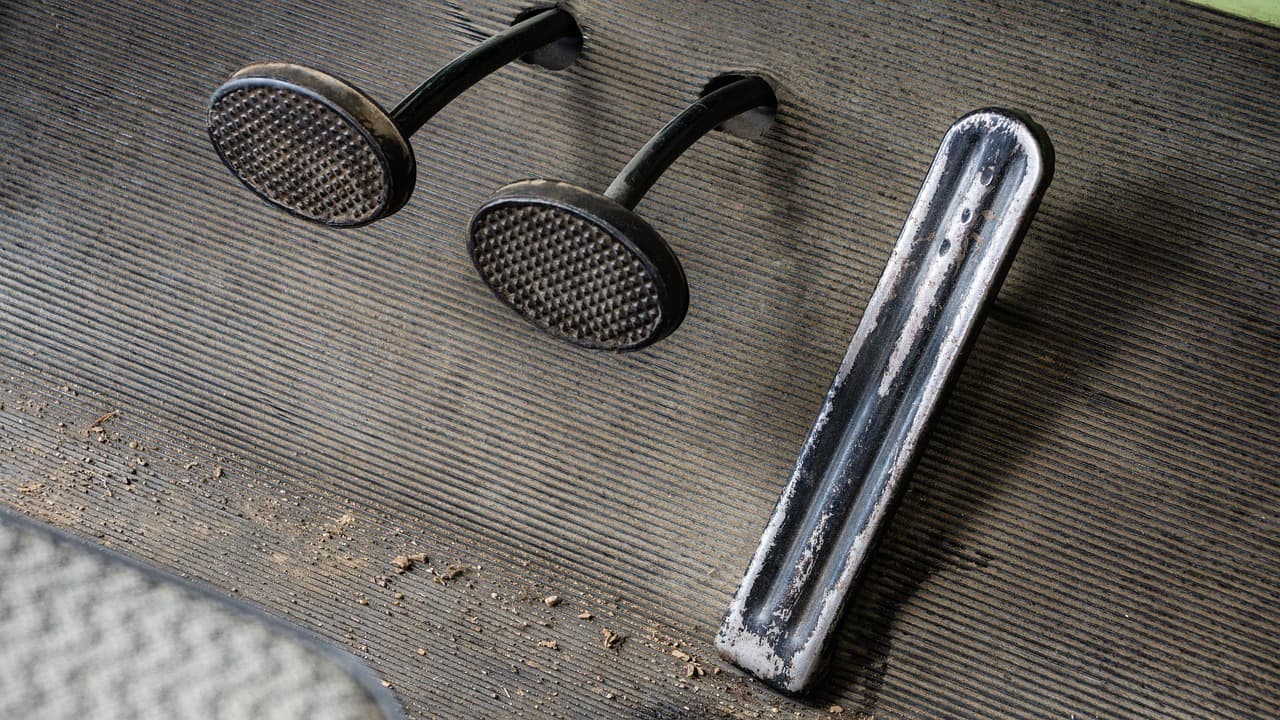
A soft or spongy brake pedal on a Sierra almost always comes down to one of a handful of causes, and they tend to show up in a rough order of likelihood: air trapped in the brake lines, a brake fluid leak somewhere in the system, a wearing master cylinder, or, less commonly, an issue inside the ABS module. Worn-out brake pads can also make the pedal feel different, though "soft" and "low" aren't quite the same complaint. None of these are things to put off checking, since they all affect how well the truck stops.
Common Causes
- Air in the brake lines. Brake fluid doesn't compress, but air does. If air has worked its way into the lines, whether from a recent repair, a low fluid level, or a slow leak, pressing the pedal compresses that air pocket before any real pressure reaches the calipers. This is the most frequently cited cause of a spongy pedal across brake-repair sources, and it's also the most fixable, since it's what bleeding the brakes is designed to correct.
- A brake fluid leak. A leak at a caliper, a wheel cylinder, a brake line, or the master cylinder itself lets fluid (and air) into the system where it shouldn't be, which drops line pressure and softens the pedal. A leak severe enough to cause noticeable sponginess usually leaves visible clues, like a low fluid level in the reservoir, wet spots near a wheel, or a puddle under the truck.
- A wearing or failing master cylinder. Internal seals in the master cylinder can wear over time, letting fluid bypass the piston instead of building pressure. A soft, low, or sinking pedal is one of the classic warning signs mechanics point to for this component. For more on how the master cylinder fits into the rest of the system, see our guide to GMC master cylinders.
- An ABS module issue. The ABS module contains its own internal valves and passages, and trapped air or an internal fault there can produce a soft or inconsistent pedal that a standard bleed at the wheels doesn't fully resolve. This is less common than the causes above, but it's worth ruling out if a normal bleed doesn't fix the problem.
- Worn brake pads or an overdue fluid change. Pads worn down close to their limit can change how the pedal feels, and brake fluid that's old and has absorbed moisture over time can also contribute to a softer response, since that moisture can boil more easily under hard braking. Neither is usually the sole cause of a truly spongy pedal, but both are worth checking as part of the picture.
How to Narrow It Down
A few basic checks can point you toward the likely cause before you get the truck to a shop:
- Check the fluid level and look for leaks. Open the hood and check the brake fluid reservoir. If it's low, look underneath the truck and around each wheel for wet spots, dampness, or obvious puddling, which points toward a leak rather than simple air.
- Try the pump test. With the engine off, pump the brake pedal a few times, then hold steady pressure on the last pump. If the pedal firms up as you pump but then slowly sinks under steady pressure, that pattern is commonly associated with air in the lines or a slow internal leak rather than a straightforward low-fluid situation.
- Note whether the pedal is soft or low. A pedal that feels spongy but stops near its normal position is a different symptom than one that sinks toward the floor. Both are worth having checked, but the second is often treated as more urgent since it can mean a bigger loss of fluid or pressure.
None of these checks are a substitute for a proper inspection. They're meant to give a technician a head start, or to help you decide how quickly the truck needs to go in.
Is It Safe to Drive?
Not really, at least not for routine driving. A soft or spongy pedal means the brake system isn't building and holding pressure the way it should, so stopping distances can be longer than expected and the margin for error in an emergency stop shrinks. If the softness is mild and you need to get the truck to a shop, drive conservatively, leave extra following distance, and avoid highway speeds if you can. If the pedal is sinking toward the floor, feels noticeably worse than it did the day before, or is paired with a brake warning light, it's best not to drive the truck at all until it's been inspected. If a warning light is part of what you're seeing, our brake warning light and message chart can help you figure out what the truck is telling you.
When to See a Mechanic
Any time a soft or spongy pedal shows up and doesn't resolve after topping off the fluid, get it looked at. Bleeding the brakes is something a comfortable DIYer can attempt, but if the pedal stays soft after a bleed, or if you're also seeing a fluid leak, a warning light, or a pedal that sinks under steady pressure, that points toward a master cylinder, ABS module, or leak issue that's better handled by a technician with the right diagnostic tools. Given how directly this system affects your ability to stop the truck, treat a persistent soft pedal as something to resolve promptly rather than something to keep an eye on for a while.
Frequently Asked Questions
Why does my GMC Sierra's brake pedal feel soft or spongy?
The most common reasons are air trapped in the brake lines, a brake fluid leak, or a master cylinder that's starting to wear internally. Less often, it can trace back to the ABS module. Checking the fluid level and looking for leaks is a good first step toward narrowing it down.
Can I fix a soft brake pedal myself?
Bleeding the brakes to remove trapped air is a job some owners handle themselves with the right tools and a helper, and it resolves the most common cause. If the pedal stays soft after bleeding, or if there's a visible leak or warning light involved, that points to an issue better diagnosed and repaired by a certified technician.
Is a spongy brake pedal the same as a low brake pedal?
Not quite. A spongy pedal feels mushy or soft as you press it but may still stop near its usual position, while a low pedal sinks noticeably closer to the floor before the brakes engage. Both point to a problem with the hydraulic system and are worth having checked, but a pedal that sinks toward the floor is generally treated as the more urgent of the two.
How urgently do I need to get a soft brake pedal checked?
Treat it as a priority rather than something to monitor. Braking performance is directly affected, so plan to get the truck inspected as soon as reasonably possible, and drive conservatively in the meantime if you have to drive it at all.
Safety note: This guide is for general informational purposes. Brake systems are safety-critical — if you're unsure at any step, or the work requires specialized tools, have it inspected or completed by a qualified technician.
Related Guides
 Sierra
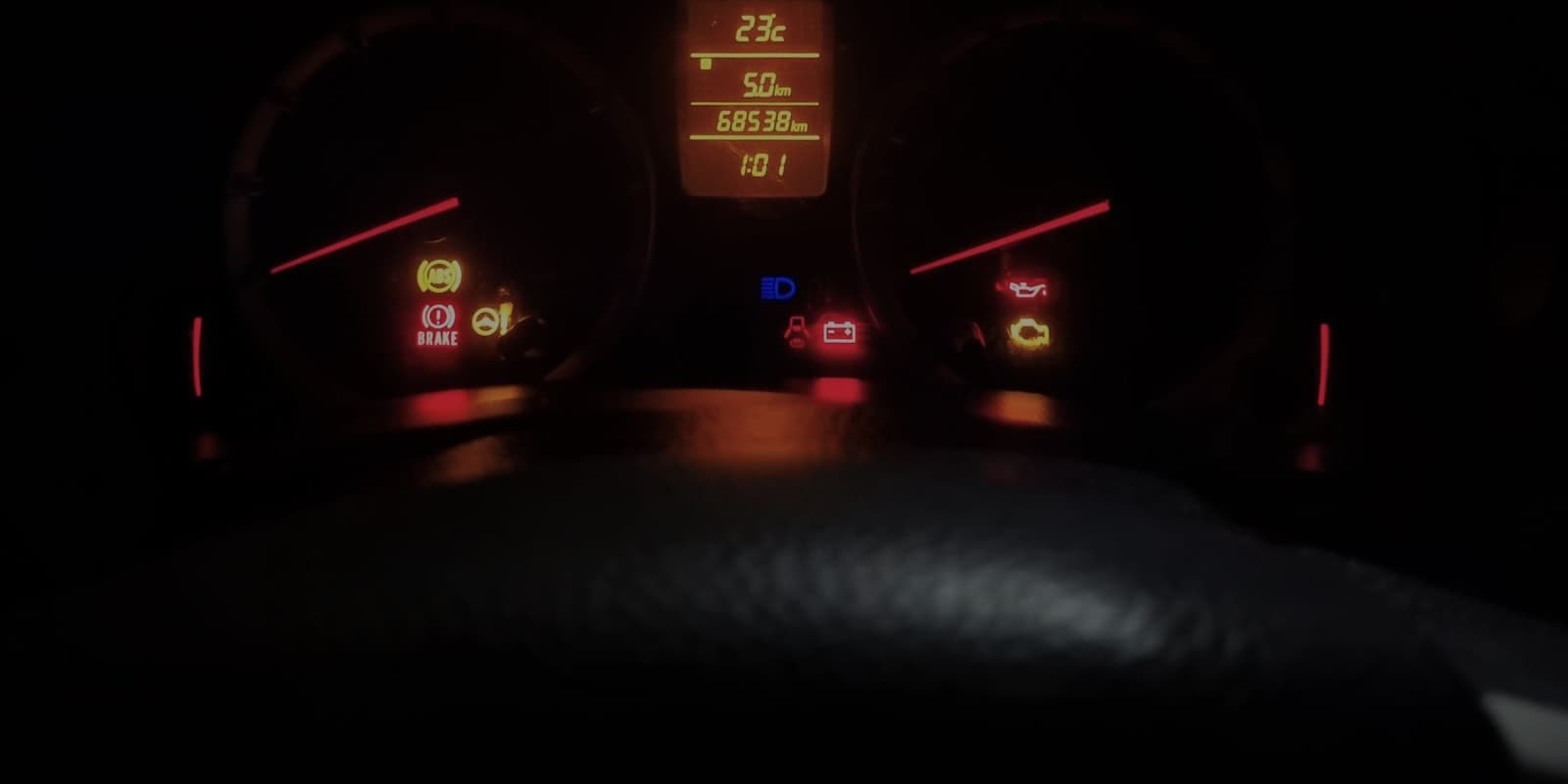
Why Won't My GMC Sierra's Brake Warning Light Turn Off?
If your Sierra's brake pads and fluid both check out fine but the warning light stays lit, the cause is usually a stuck parking brake switch, a faulty fluid level sensor, or an electrical fault rather than the brakes themselves. Here's how to narrow it down.
 Sierra
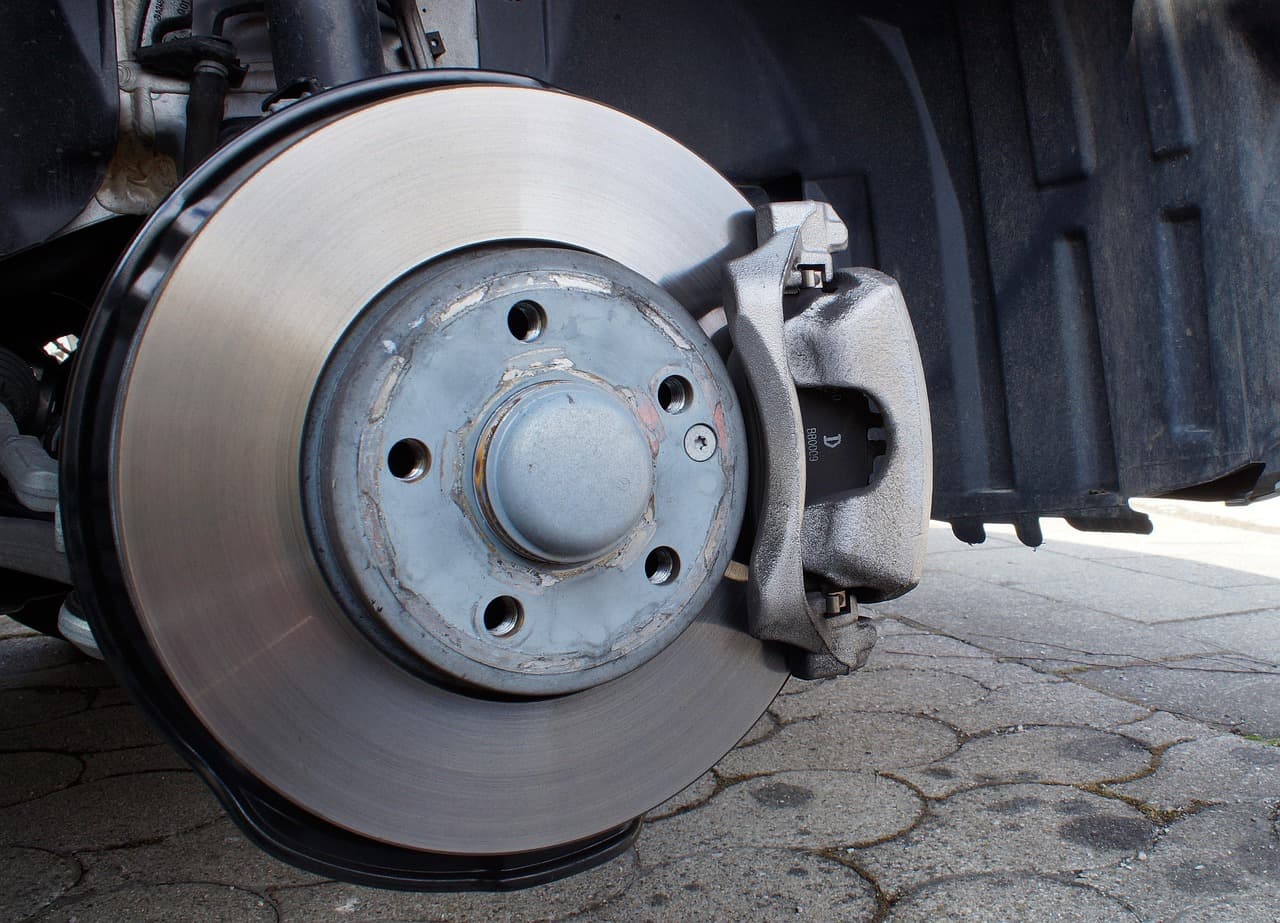
How to Bleed ABS Brakes on a GMC Sierra
Standard two-person bleeding can leave air trapped inside the ABS modulator itself, which is why some Sierras keep a soft pedal even after a textbook bleed. Here's when that happens and how a scan tool-driven ABS bleed clears it.
 Sierra
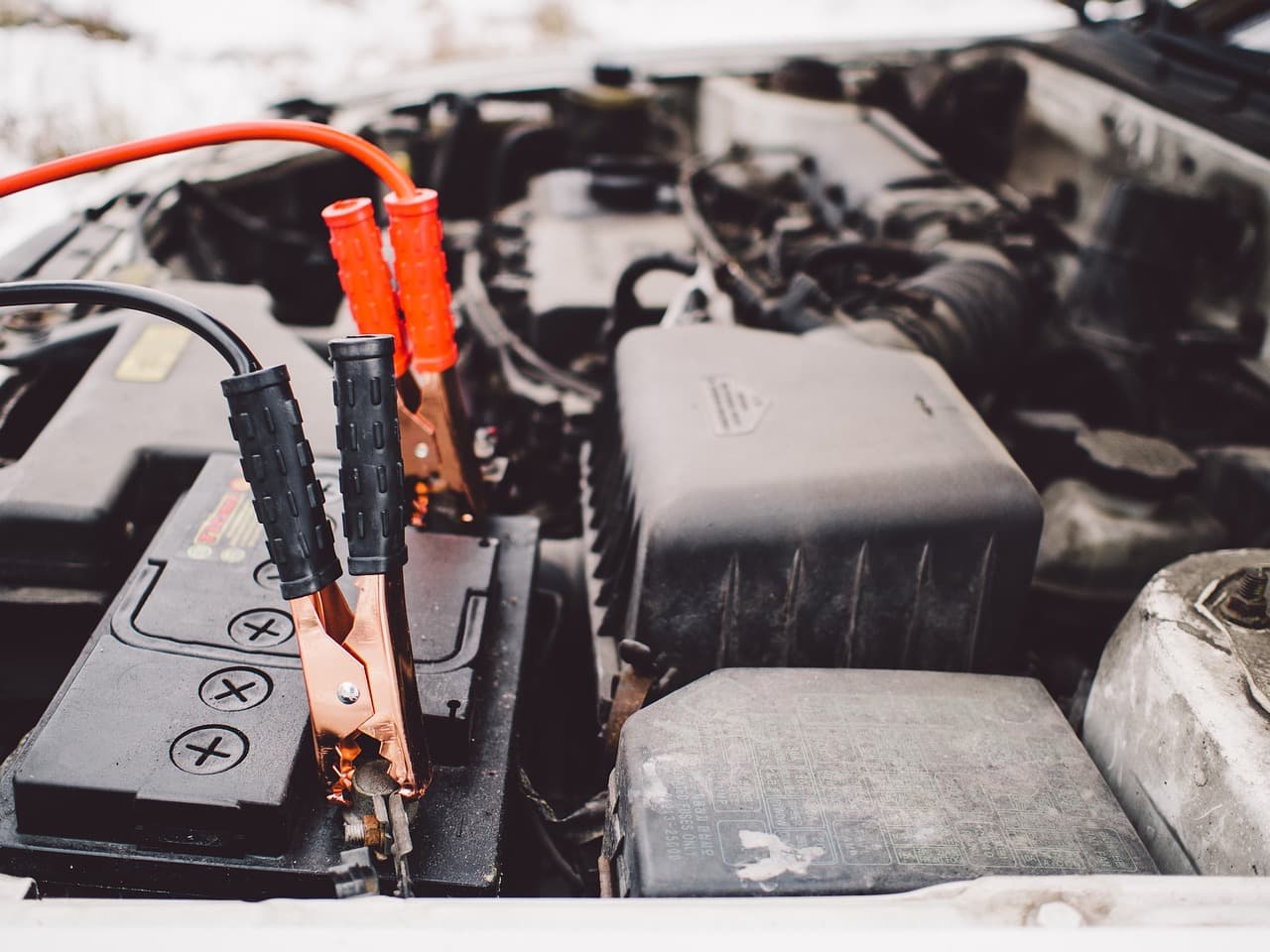
GMC Sierra Parking Brake Reset After a Battery Disconnect
A GMC Sierra's electronic parking brake can lose its calibration reference and get stuck showing a service warning after the battery is disconnected or goes dead, since the parking brake control module needs stable power to know where the calipers actually are. Reconnecting the battery solidly and cycling the ignition clears it in many cases, though some trucks need the EPB switch sequence or a scan tool to finish the job.