How to Bleed ABS Brakes on a GMC Sierra
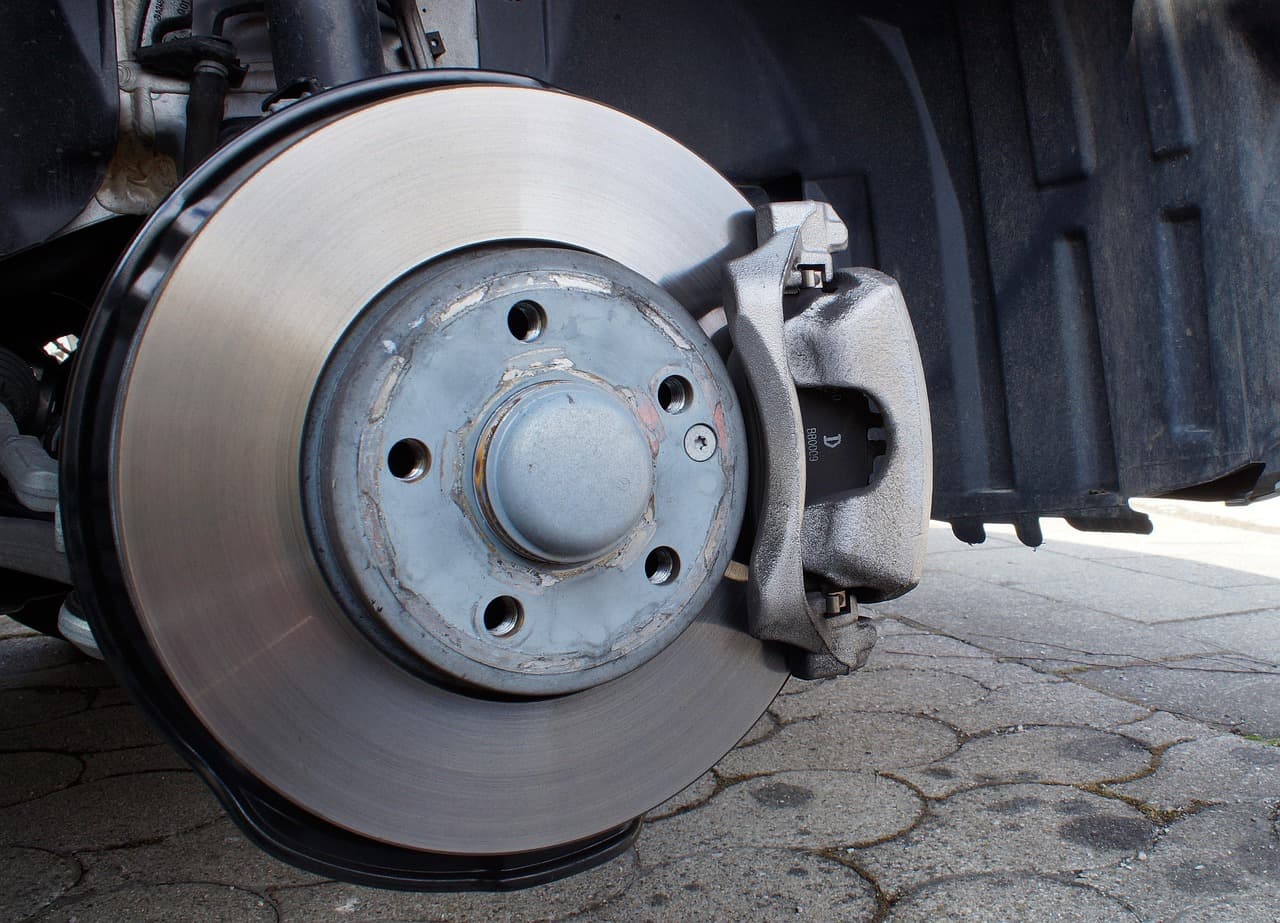
A standard two-person bleed pushes fluid through the calipers and the main brake lines, but it never opens the internal solenoid valves inside the ABS modulator. If a Sierra's pedal is still soft after a full manual bleed, or the ABS hydraulic module, a brake line, or the master cylinder was recently opened up, the air is likely trapped inside the modulator itself, and clearing it takes a scan tool-driven ABS bleed rather than another round of pumping the pedal.
When Regular Bleeding Isn't Enough
For a routine fluid flush or a caliper replacement, the standard two-person bleeding procedure is usually all a Sierra needs. That process works because the air being removed sits in circuits that stay open during normal pedal operation, so pressing the pedal and cracking a bleeder screw pushes it straight out.
An ABS-specific bleed becomes necessary in a narrower set of situations: after the ABS hydraulic control unit or module has been replaced or disconnected, after a line running through the modulator has been opened, after the master cylinder has been replaced, or when the pedal stays low and spongy even though every bleeder screw has already produced clean, bubble-free fluid. In those cases, the problem usually isn't the calipers or the visible lines. It's air sitting inside the modulator's own passages, which a manual bleed can't reach. Sierra trucks share much of this hydraulic hardware with the ABS and stability control system described in GMC Sierra "Service StabiliTrak" and Brakes — Are They Related?, which is part of why work on one system can affect the other.
Why the ABS Modulator Traps Air
The ABS hydraulic control unit isn't a simple pass-through for brake fluid. Internally it contains a cluster of solenoid valves, a return pump, and a number of check valves and dead-end ports that regulate pressure at each wheel during an ABS event. Those valves stay closed during ordinary braking, so fluid moving through the system under a normal manual bleed flows past the modulator without ever passing through most of its internal passages. Any air that ends up inside those passages, whether from a module replacement, a dry reservoir, or work that opened the hydraulic circuit, simply stays there. No amount of pedal pumping at the caliper end will move it, because the pedal doesn't have a way to open those specific valves on its own.
What a Scan Tool ABS Bleed Does Differently
A scan tool with bidirectional control can talk directly to the ABS module and command those internal solenoids and the return pump to cycle on demand, the same way they'd cycle during an actual ABS event on the road. Opening and closing the valves in sequence lets pressurized fluid move through every internal passage in the modulator, not just the ones that stay open during a normal stop, carrying trapped air out toward the bleeder screws with it. This is why shops reach for a scan tool on modern ABS-equipped trucks: it's a way to physically exercise valves and passages a pedal alone can't access, not a diagnostic-only feature.
Scan Tool ABS Bleed Procedure (General Steps)
The exact menu path and terminology vary by scan tool, since every manufacturer lays out its bidirectional controls differently, so this is the general shape of the process rather than a script for any specific tool. Typically it looks something like this:
- Fill the master cylinder reservoir with the correct fluid and, if a pressure bleeder is available, connect and pressurize the system so fluid keeps flowing during the procedure.
- Connect the scan tool and navigate to the ABS or brake control module's bidirectional or special functions menu.
- Select the automated or active ABS bleed function, which commands the module to cycle its solenoid valves and pump.
- Open each bleeder screw in sequence, following the tool's prompts, while the module cycles the corresponding circuit and pushes trapped air out with the fluid.
- Let the tool run its final purge cycle, then check the pedal. It should come up firm and stay there, without the softness that prompted the ABS bleed in the first place.
Throughout the process, keep an eye on the master cylinder reservoir the same way as with a standard manual bleed: running it dry mid-procedure introduces new air and can undo the work already done.
Can You Do This Without a Scan Tool?
Not reliably. Because the ABS solenoids only open during an actual ABS event or under a scan tool's direct command, there's no manual pedal technique that opens them on demand. Some owners report that driving on a loose, low-traction surface and triggering the ABS with repeated hard stops, then re-bleeding the calipers afterward, can move some trapped air out through natural ABS activation. That approach is inconsistent, depends on actually triggering the system multiple times, and isn't a substitute for a proper scan tool bleed when the ABS module itself has been opened up or replaced. If a scan tool with bidirectional ABS control isn't available, a shop or dealer with one is the more dependable route.
Frequently Asked Questions
How do I know if my Sierra needs an ABS bleed instead of a regular bleed?
If the pedal stays soft or spongy after a complete manual bleed at all four wheels, with no more air visible in the fluid, or if the ABS module, a related brake line, or the master cylinder was recently serviced, that points to trapped air inside the modulator rather than the calipers or lines.
Can I use any scan tool for an ABS bleed?
It needs bidirectional control capability on the brake or ABS control module specifically, not just code-reading. Basic OBD-II readers that only pull diagnostic trouble codes can't command the solenoids or pump, so they won't perform the active bleed function.
Will the ABS warning light come on during this process?
It can. Cycling the solenoids and pump outside of an actual driving event sometimes triggers a temporary ABS or brake warning light. In most cases this clears once the bleed is complete and the vehicle is driven normally, but if it stays on afterward, it's worth checking for stored trouble codes.
Is an ABS bleed something a DIYer can do at home?
It depends entirely on having access to a scan tool with bidirectional ABS control, which most basic code readers don't include. Without that capability, the procedure isn't possible to complete correctly at home, and a shop or dealer visit is the more practical option.
Safety note: This guide is for general informational purposes. Brake systems are safety-critical — if you're unsure at any step, or the work requires specialized tools, have it inspected or completed by a qualified technician.
Related Guides
 Sierra
Why Won't My GMC Sierra's Brake Warning Light Turn Off?
If your Sierra's brake pads and fluid both check out fine but the warning light stays lit, the cause is usually a stuck parking brake switch, a faulty fluid level sensor, or an electrical fault rather than the brakes themselves. Here's how to narrow it down.
 Sierra
GMC Sierra Soft Brake Pedal — Causes and What to Check
A soft or spongy brake pedal on a GMC Sierra usually points to air in the brake lines, a fluid leak, or a wearing master cylinder, roughly in that order of likelihood. Here's how to narrow it down and decide how urgently it needs attention.
 Sierra
GMC Sierra Parking Brake Reset After a Battery Disconnect
A GMC Sierra's electronic parking brake can lose its calibration reference and get stuck showing a service warning after the battery is disconnected or goes dead, since the parking brake control module needs stable power to know where the calipers actually are. Reconnecting the battery solidly and cycling the ignition clears it in many cases, though some trucks need the EPB switch sequence or a scan tool to finish the job.