Best Brake Pads for GMC Trucks: Types and Brands Compared
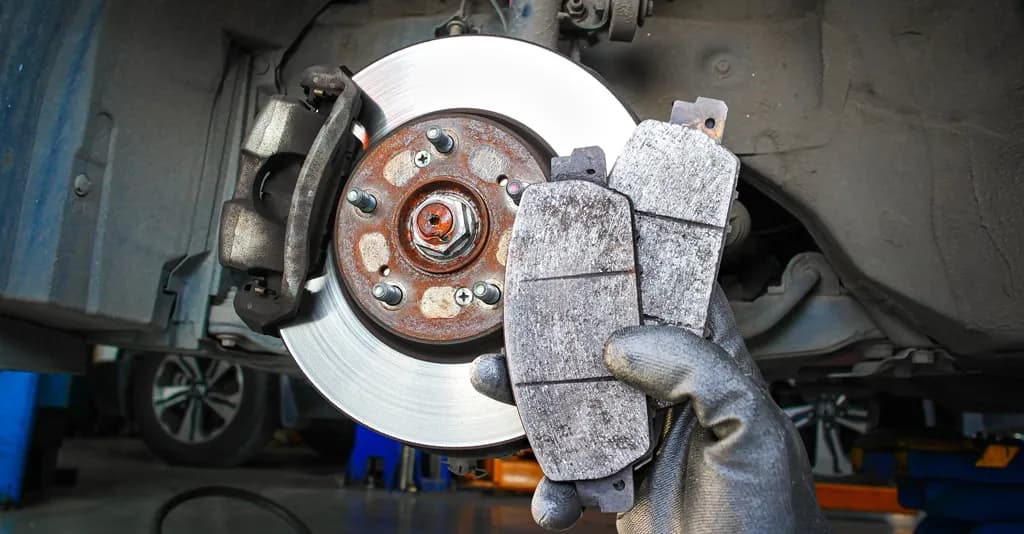
The right brake pad for a GMC depends on how you use the truck more than on the brand name. Ceramic pads suit most daily-driven Sierras, Yukons and Canyons because they run quiet and make less dust, while semi-metallic pads are the usual choice for regular towing, heavy hauling and long mountain grades. Pick the friction type first, then choose a reputable brand that makes that type for your exact model, year and brake package.
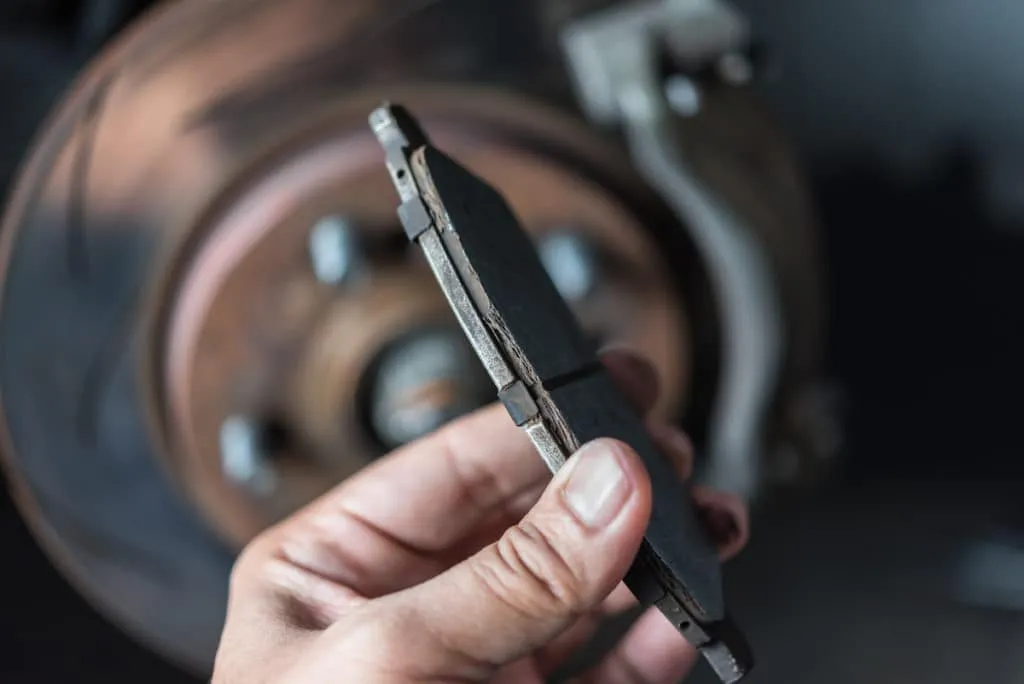
Brake Pad Types Compared
Pad makers sort their products into three families: organic (also called non-asbestos organic, or NAO), semi-metallic and ceramic. ADVICS, an OE brake supplier, describes organic pads as a resin-bonded mix of materials such as rubber, carbon and glass fiber, and semi-metallic pads as containing roughly 30 to 70 percent metal (iron, steel, copper or other composites). Ceramic pads use a ceramic compound reinforced with other materials for friction and heat control.
The table below summarizes how pad manufacturers Friction Master and ADVICS characterize each type.
| Organic (NAO) | Semi-metallic | Ceramic | |
|---|---|---|---|
| Noise | Quiet | Noisiest of the three | Quiet |
| Brake dust | Low | Most dust | Fine, light-colored dust |
| Rotor wear | Gentle | Most abrasive | Gentle |
| Heat tolerance | Narrow operating range | High; conducts heat well | Stable across a wide range |
| Cold bite | Good | Good | Less than semi-metallic |
| Pad life | Shortest | Longer than organic | Usually longest |
| Price | Lowest | Middle | Usually highest |
| Best fit on a GMC | Light-duty, gentle driving | Towing, hauling, mountain driving, heavy use | Daily driving and commuting |
Two cautions apply to every row. First, "ceramic" and "semi-metallic" are marketing categories, and formulas vary a lot between brands, so one maker's ceramic pad can behave differently from another's. Second, not every vehicle is designed to work with every pad type. ADVICS specifically notes that some models aren't compatible with ceramic pads, so check the pad maker's catalog for your exact truck before you buy.
Match the Pad to How You Use the Truck
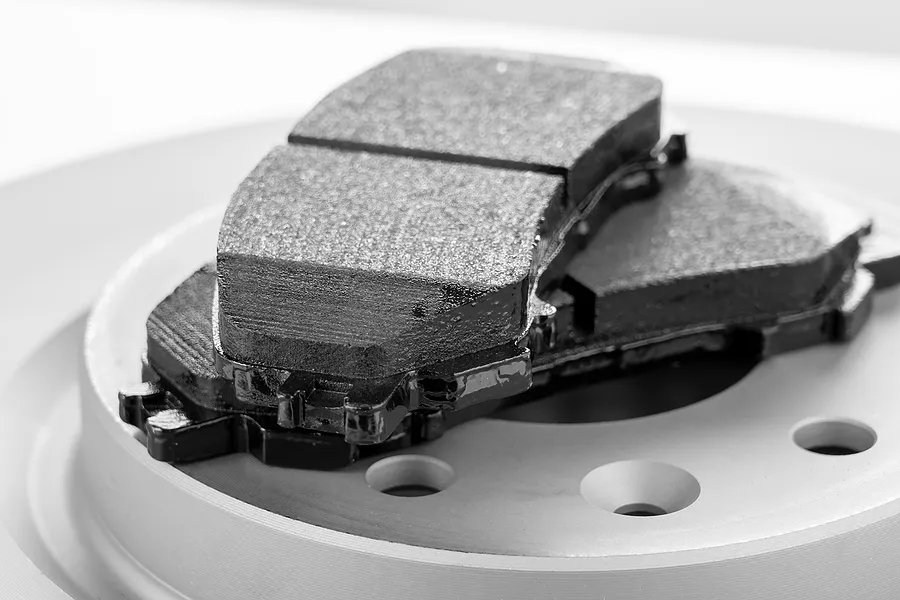
A few questions narrow the choice quickly:
- Do you tow or haul regularly? Towing and long downhill grades put the most heat into the brakes. ADVICS points to semi-metallic pads as the usual pick for towing because they handle high temperatures and pull heat away from the rotor. If you tow a few times a year, a heavy-duty ceramic pad sold for trucks can be a reasonable compromise.
- Is the truck mostly a daily driver? Ceramic pads are the common choice for commuting because of their low noise and cleaner wheels.
- Is it a 1500 or an HD? Sierra 1500 and 2500HD/3500HD trucks use different brake hardware and pads. See GMC Sierra 1500 vs 2500 Brake Pad Differences before ordering.
- What did the factory install? Matching the original friction type is the safest default if you're happy with how the truck stops. Moving from semi-metallic to ceramic usually trades some cold bite and towing performance for less noise and dust.
Wear Sensors on 2019 and Newer Sierras
This is the detail most brand comparisons miss. The 2019-and-newer Sierra 1500 has a Brake Pad Life system that uses wear sensors on the pads plus software to estimate remaining pad life. According to the 2020 GMC Sierra owner's manual, if you install aftermarket pads without wear sensors, the system can be turned off in the Driver Information Center (DIC). The pads' built-in audible wear indicators still squeal when the friction material runs low.
So on a newer Sierra, confirm that the pad set either works with your existing wear sensor or that you're comfortable disabling the Brake Pad Life display. For how the system reads the sensors, see What Does Service Brake Pad Monitor Mean on GMC Sierra?.
Brands Worth Considering
We don't have independent test data comparing brands on GMC trucks, so this section lists common options and what to check, not rankings.
- GM Genuine Parts and ACDelco. GM Genuine Parts are the original-equipment parts. ACDelco's Gold and Silver lines are GM's own aftermarket parts. For a truck you want to brake exactly like it did from the factory, including wear-sensor fit on newer trucks, this is the lowest-risk route.
- Large aftermarket brake brands. Akebono, Bosch, Power Stop, Wagner and EBC are among the aftermarket brands that list pads for GMC trucks and SUVs. Check each maker's catalog for your exact truck and for which friction types it offers. For one brand in depth, see EBC Brakes for GMC.
- Other brands. For brands such as Callahan, we couldn't find independent data on friction performance or durability, so judge them by the checklist below like any other brand.
Whatever the brand, check these before you buy:
- Exact fitment. Year, model, 2WD/4WD, 1500 vs HD and the brake option code on the Service Parts Identification label in the glovebox. Several GMC trucks came with more than one brake package in the same year.
- Friction type. Organic, semi-metallic or ceramic, as it is labeled on the box.
- Hardware and shims. New abutment clips and noise shims help a pad sit and wear correctly. See GMC brake hardware for what those small parts do.
- Wear-sensor compatibility on trucks with a Brake Pad Life system.
- Copper content marking. Under the EPA's Copper-Free Brake Initiative, the industry agreed to cut copper in brake pads to under 5 percent by weight by 2021 and 0.5 percent by 2025, and the program includes marking on pad packaging.
If you're still deciding between factory parts and aftermarket, OEM vs aftermarket brake parts for the GMC Sierra goes through the trade-offs, and aftermarket brake upgrades for the Sierra covers options beyond a pad swap.
Getting the Most Life From Any Pad
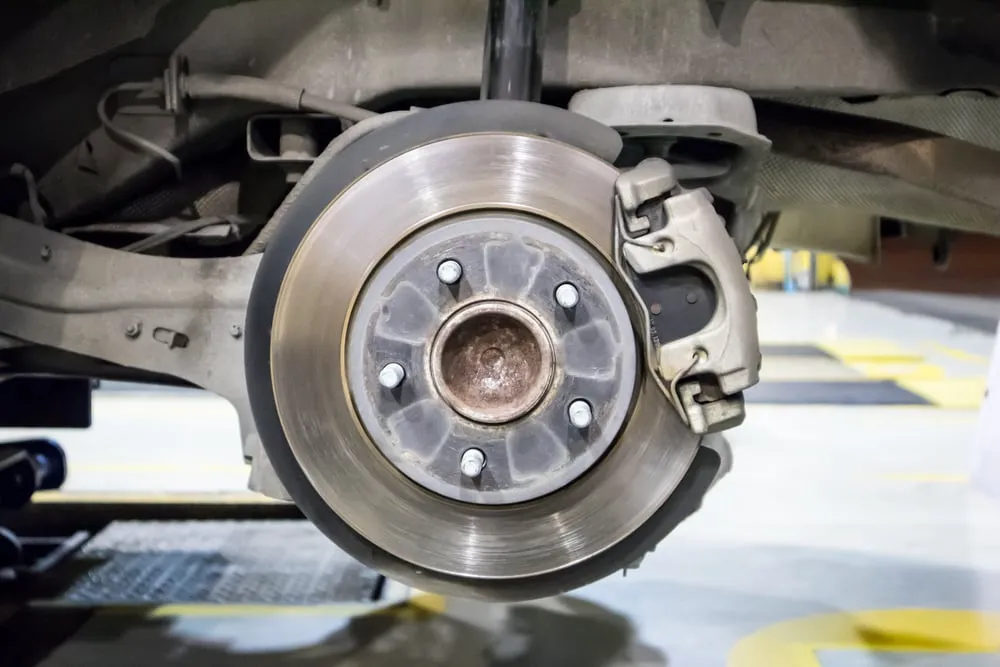
- Replace pads as complete axle sets. GM's owner's manual says so directly: both sides of an axle get new pads at the same time.
- Bed in new pads using the pad maker's procedure so friction material transfers evenly to the rotor.
- Keep up with brake fluid. The 2020 Sierra maintenance schedule calls for replacing brake fluid every five years.
- Look at the pads at every tire rotation. GM lists "inspect brake system" among the required services at each rotation.
- Don't ride the brakes on long grades. Use a lower gear (or Tow/Haul mode, where equipped) so engine braking takes some of the load off the pads. This matters most when towing.
For a full inspection routine, see GMC brake system maintenance. For the symptoms that mean pads are due now, see GMC brakes warning signs.
Frequently Asked Questions
Are ceramic or semi-metallic brake pads better for a GMC Sierra?
For mostly daily driving, ceramic pads are the common choice because they're quieter and make less dust. For regular towing, heavy loads or steep terrain, semi-metallic pads usually handle the heat better. Both are sold for the Sierra, so match the pad to how you use the truck and to what the pad maker lists for your exact model.
Can I put aftermarket brake pads on a 2019 or newer Sierra?
Yes. If the pads don't work with the factory wear sensor, GM's owner's manual explains how to turn off the Brake Pad Life display in the DIC. The pads' mechanical wear indicators will still squeal when the friction material is low.
Do I need to replace the rotors when I change brake pads?
Not always. Replace or resurface rotors that are below the minimum thickness stamped on the rotor, are cracked or deeply grooved, or cause pedal pulsation. See GMC Sierra 1500 brake rotors for how to check them.
Is it OK to mix pad types front and rear?
It's best to stay with what the manufacturer specified, or with pads the pad maker lists as a matched set for your truck. Changing friction type on one axle can change front-to-rear brake balance. Always replace both sides of an axle together.
How do I know when my GMC's brake pads are worn out?
Most GMC pads have a metal wear indicator that squeals when the pads are low. Newer Sierras also show pad life as a percentage in the DIC. Grinding, a longer stopping distance or a pull to one side means the brakes should be inspected right away.
Safety note: This guide is for general informational purposes. Brake systems are safety-critical — if you're unsure at any step, or the work requires specialized tools, have it inspected or completed by a qualified technician.
Related Guides
 GMC Brakes
How to Bed In New Brake Pads and Rotors on a GMC
How to bed in new brake pads and rotors on a GMC: 6 to 10 moderate stops from 30 to 35 mph, 2 to 3 firmer stops from 40 to 45 mph, then a cool-down.
 GMC Brakes
GMC Brake Pad Thickness Chart — When to Replace
New GMC brake pads start at about 10 to 12 mm. Plan a replacement around 3 to 4 mm and replace right away under 2 mm. Chart with symptoms by stage.
 GMC Brakes
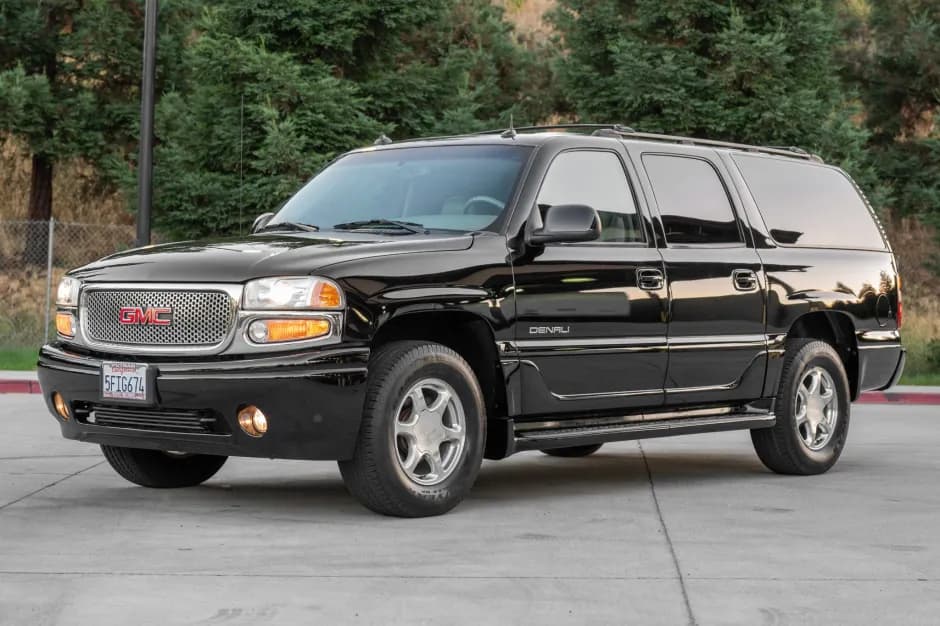
2003 GMC Yukon Brake Caliper Bolt Size
Everything you need to know about 2003 GMC Yukon brake caliper bolt sizes. Learn the specs for front and rear caliper bolts.
 GMC Brakes
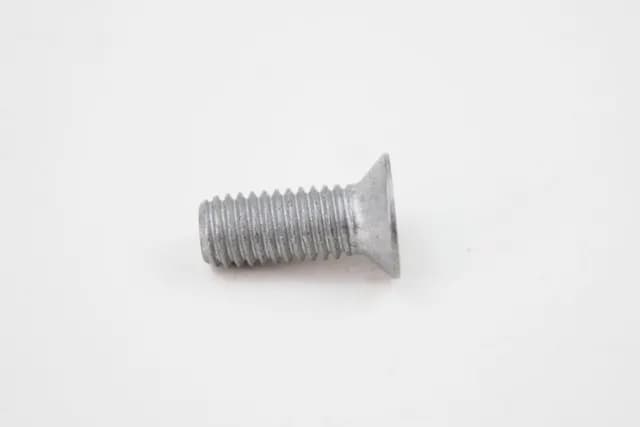
GMC Brake Rotor Retaining Screws
GMC Brake Rotor Retaining Screws ensure rotor alignment for safe braking. Essential for vehicle stability, they require regular checks.
 GMC Brakes
ACDelco Brake Rotors for GMC
Get the best for your ride with ACDelco Brake Rotors for GMC. Perfect fit, enhanced safety, and lasting performance. Upgrade now!
 GMC Brakes
GMC Brake Pad Wear Sensors
Get the scoop on GMC Brake Pad Wear Sensors! Essential tips, how-tos, and why they’re key for your ride’s safety. Stay brake-smart!
More in Brake Pads, Rotors & Calipers
- GMC Brake Calipers: When to Replace and How to Maintain
- Brake Caliper Torque Specs For 2007 GMC Yukon
- 2022 GMC Savana 3500 Brake Kit, Rotors, and Pads
- GMC Acadia Brake Pads
- GMC Sierra 1500 Brake Rotors
- 2018 GMC Sierra 1500 Brake Caliper Torque Specs
- What Does Service Brake Pad Monitor Mean on GMC Sierra?
- Best Brake Rotors for the GMC Acadia — Buyer's Guide
- GMC Canyon Brake Caliper Replacement Cost & Guide
- GMC Sierra 1500 vs 2500 Brake Pad Differences
- The Best Brake Pads For 2015 GMC Sierra 1500
- The Best Brake Pads for 2018 GMC Sierra 1500 Trucks