GMC Sierra 1500 vs 2500 Brake Pad Differences
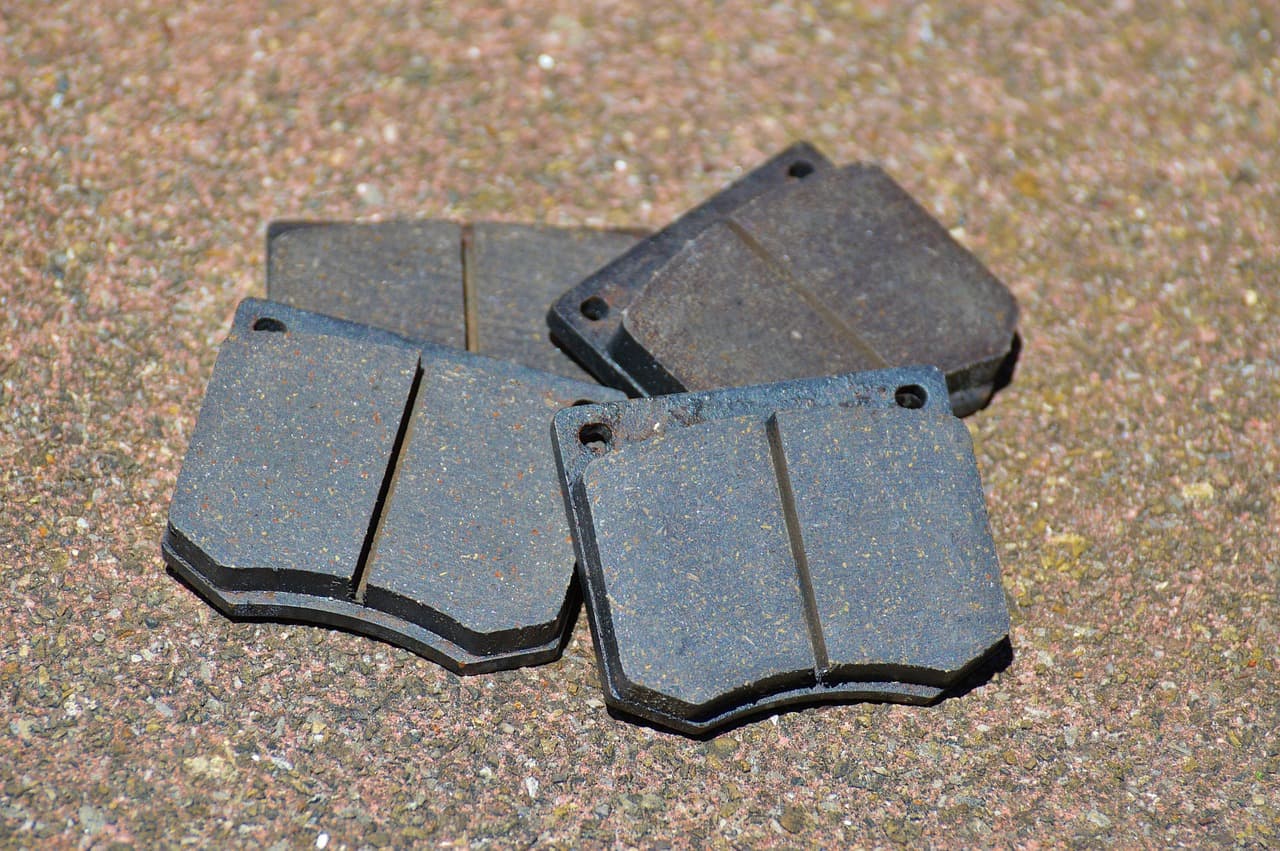
The short answer: GMC Sierra 1500 and Sierra 2500 brake pads are not the same part, and they are not meant to be interchanged. The Sierra 2500 is built to a heavy-duty gross vehicle weight rating (GVWR), and its brake system, including the calipers, rotors, and the pads that fit them, is sized differently than the half-ton Sierra 1500 to handle that extra weight. Parts catalogs list them as separate applications for a reason.
Why the 2500 Uses a Different Brake System
The GMC Sierra 1500 is a half-ton truck, while the Sierra 2500 is part of GM's heavy-duty lineup alongside the Sierra 3500. That distinction is not just a badge or a trim decision. GVWR, payload capacity, and towing capacity all scale up significantly from the 1500 to the 2500, and stopping a heavier, harder-working truck consistently requires more braking capacity, not the same hardware relabeled.
In practice, that means the 2500 is generally built around a beefier front and rear brake package than the 1500. Automakers size rotor diameter, rotor thickness, and caliper piston area to the vehicle's weight class so the brakes can absorb and dissipate heat without fading, whether the truck is running empty or loaded near its GVWR. A brake system sized for a half-ton truck simply is not engineered to do that job on a heavy-duty platform, and the reverse is also true: a heavy-duty brake package is a different fit and a different mass than what the 1500's suspension and hub design call for.
Rotor and Caliper Sizing: What's Actually Different
Exact rotor diameters, rotor thickness, and caliper piston sizes vary by model year, cab configuration, and whether a particular 1500 or 2500 was ordered with a factory trailering or heavy-duty brake option, so this article won't state specific inch or millimeter figures as universal facts. What's consistent across model years is the pattern: the Sierra 2500's front rotors and calipers are generally larger and more robust than the standard Sierra 1500 setup, and the two trucks are listed under separate part numbers at major parts retailers and in GM's own catalogs.
That catalog separation is a useful confirmation on its own. When a retailer or a rotor-and-pad kit lists one application for "Sierra 1500" and an entirely different one for "Sierra 2500 HD," it reflects a real difference in mounting dimensions, rotor hat height, caliper bracket design, or pad shape, not just a marketing split. For the exact rotor diameter, pad part number, or caliper piston size on a specific truck, a VIN-based parts lookup or the factory service manual for that model year is the reliable source, not a general spec sheet for "Sierra" as a whole.
Can You Swap Parts Between Them?
No. Even where a pad or rotor might appear close in size, GMC Sierra 1500 and Sierra 2500 brake components are not designed to be cross-installed. A few reasons this matters beyond simple fitment:
- Caliper and bracket geometry differs. A 2500's caliper is typically built for a larger rotor and a different bracket offset, so it won't bolt up cleanly to 1500 hardware, and vice versa.
- Pad friction material is matched to the system it was designed for. Pads are engineered around the heat range, clamping force, and rotor mass of their specific application. Using a pad compound intended for a lighter system on a heavy-duty truck, or vice versa, can change pedal feel, wear rate, and stopping distance.
- Rotor mass affects heat dissipation. A rotor sized for a half-ton truck won't shed heat the way a heavy-duty rotor does under sustained towing or hauling, and installing the wrong one changes how the whole system performs under load.
- Mismatched parts complicate ABS and stability control tuning. Factory brake calibration assumes the OE-spec rotor and pad combination for that specific GVWR class.
If a listing or a seller claims a rotor or pad "fits both" a 1500 and a 2500, that claim is worth double-checking against the vehicle's actual VIN before buying, since generic fitment claims are one of the more common sources of wrong-part orders in this segment. The OEM vs. aftermarket brake parts comparison covers more on how fitment accuracy varies between OEM and aftermarket sourcing.
How to Confirm What Your Truck Needs
Because "Sierra" alone doesn't specify which brake system a given truck has, a few steps help narrow it down before ordering pads or rotors:
- Use the VIN, not just the model name. Parts retailers and dealer parts departments decode the VIN to identify the exact brake application, including GVWR class, axle type, and any factory brake option.
- Check the RPO code sheet if it's still in the truck. GM's Regular Production Option (RPO) codes can identify the specific brake package a vehicle left the factory with.
- Measure before ordering, if there's any doubt. A quick rotor diameter and caliper measurement against the new part's listed specs catches a fitment mismatch before it becomes a return.
- Cross-reference against a current rotor guide. The GMC Sierra 1500 brake rotor overview walks through rotor types and selection factors specific to the half-ton truck, which is a useful comparison point once the 2500's larger-scale equivalents are ruled out or confirmed.
- Torque to the correct spec once the right parts are installed. Caliper bolt torque values differ by model and model year; the 2018 Sierra 1500 caliper torque specs article breaks down what that looks like for one specific application, as an example of how model-specific those numbers get.
Frequently Asked Questions
Can I put Sierra 2500 brake pads on a Sierra 1500?
No. The two trucks use different caliper and rotor sizing tied to their different GVWR classes, so a 2500's pads are not built to fit a 1500's calipers, and installing them is not a straightforward swap.
Why does the Sierra 2500 need a heavier brake system than the 1500?
The Sierra 2500 carries a significantly higher GVWR, payload capacity, and towing capacity than the half-ton Sierra 1500. Bringing more weight to a stop, especially repeatedly or while towing, requires more rotor mass and caliper clamping force to manage heat and maintain consistent stopping power.
How can I find the exact brake parts my Sierra needs?
The most reliable method is a VIN-based parts lookup through a dealer or major parts retailer, since it accounts for model year, GVWR class, and any factory brake option the truck was built with. A general search by model name alone can return results for the wrong application.
Does a Sierra 1500's trailering package change which brake parts it needs?
It can. Trucks ordered with factory towing or trailering options sometimes carry different brake hardware than a base configuration of the same model. That's another reason a VIN-based lookup, rather than the model name alone, is the safer way to confirm fitment.
Safety note: This guide is for general informational purposes. Brake systems are safety-critical — if you're unsure at any step, or the work requires specialized tools, have it inspected or completed by a qualified technician.
Related Guides
 Sierra
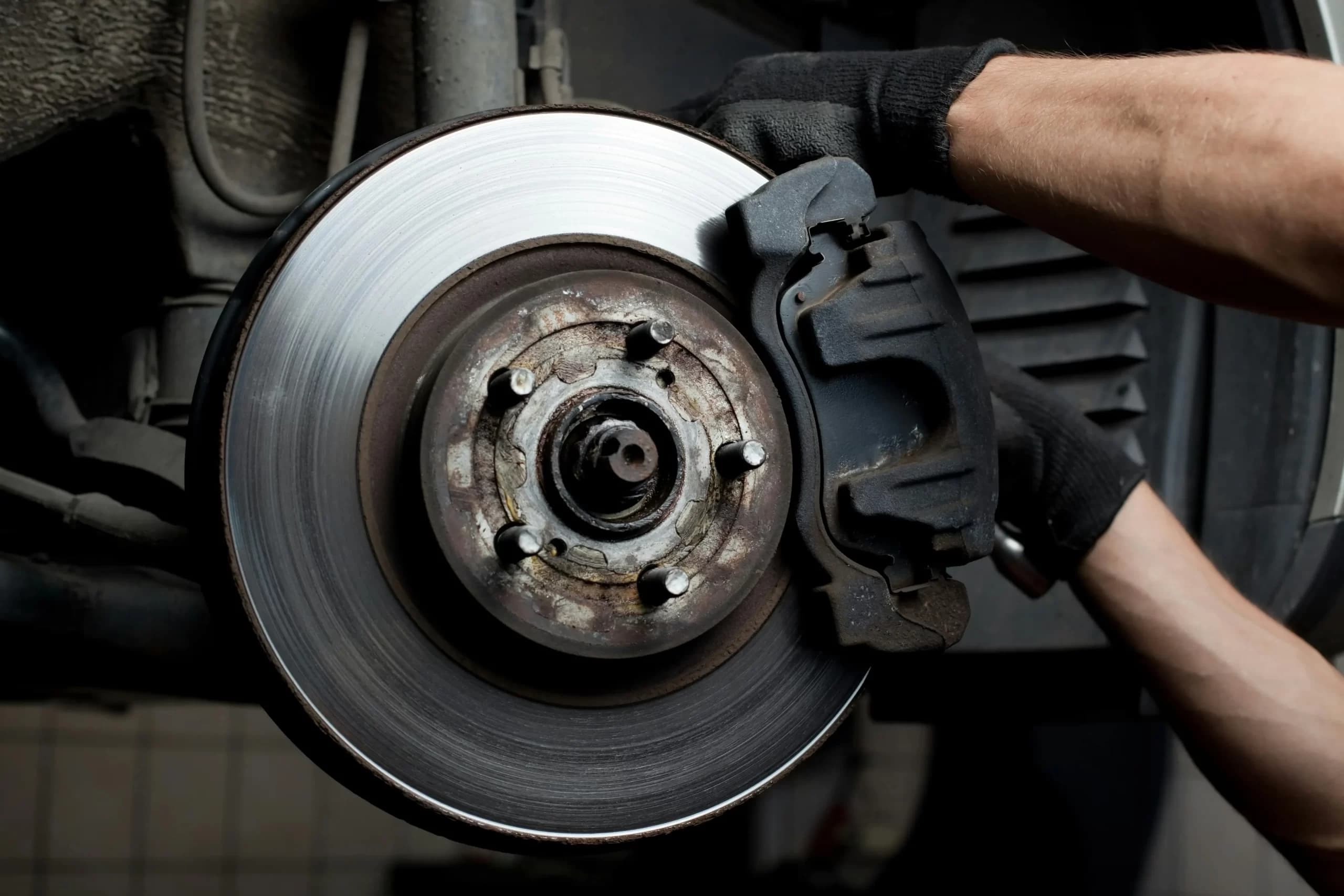
The Best Brake Pads for 2018 GMC Sierra 1500 Trucks
As a GMC Sierra 1500 pickup truck model of year 2018 owner, you know value of a possessing a capable braking system. Your truck brake pads part are some of the most important components that enable your heavy duty vehicle comes to a halt safely every time. So when it’s time to replace your brake […]
 Sierra
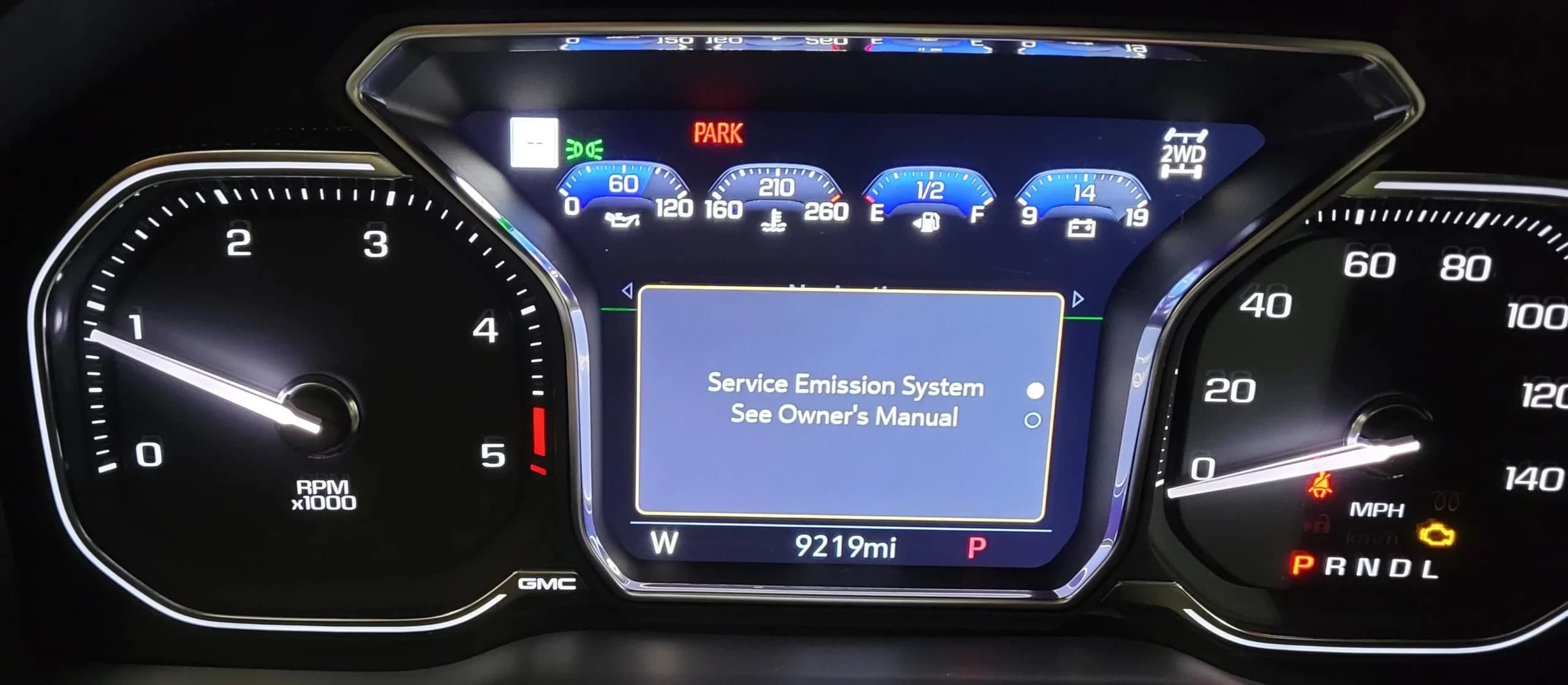
What Does Service Brake Pad Monitor Mean on GMC Sierra?
If you own a GMC Sierra pickup truck, you may have encountered the “service brake pad monitor” message on your driver information center display. This cautionary message might be. Worrisome, making you ponder its significance and what actions to take in response. How the Service Brake Pad Monitor Sy
 Sierra
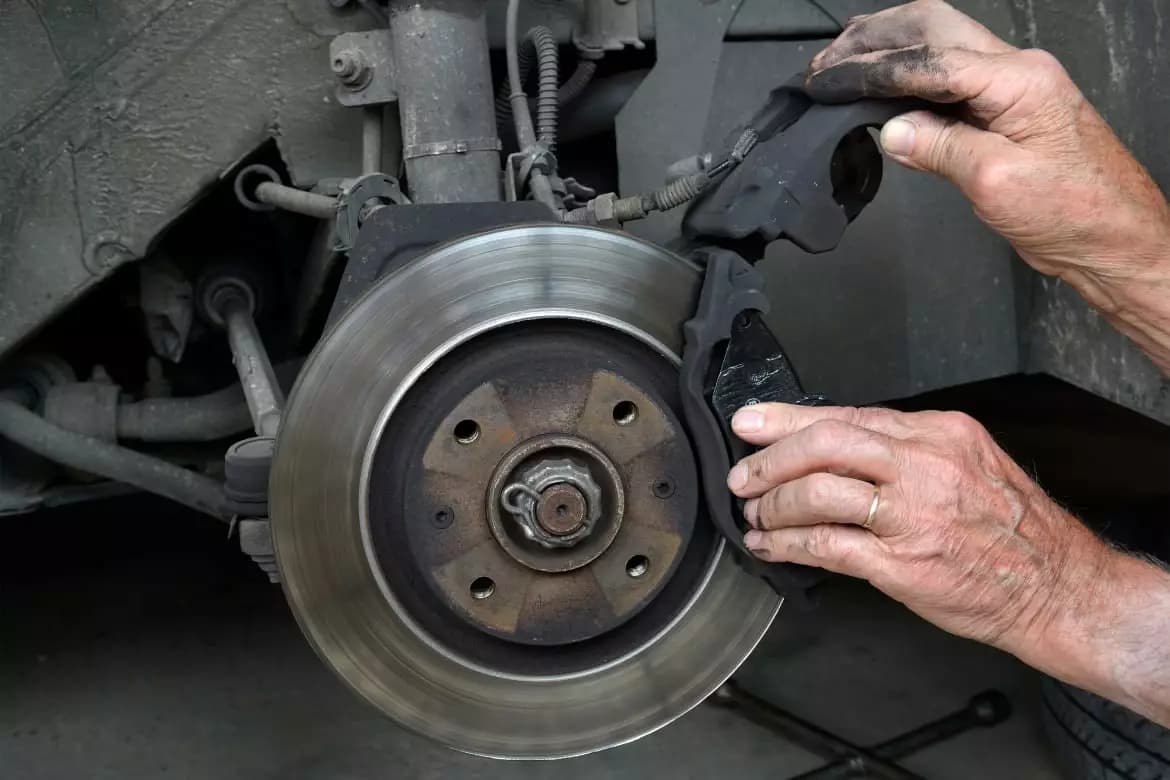
The Best Brake Pads For 2015 GMC Sierra 1500
If you own a 2015 GMC Sierra 1500, you know how important it is to have reliable and effective brake pads. The best brake pads for 2015 GMC Sierra 1500 will provide superior stopping power, reduce brake dust, and last a long time. Why Quality Brake Pads Matter Your vehicles brake pads play a role, [