GMC Canyon Brake Caliper Replacement Cost & Guide
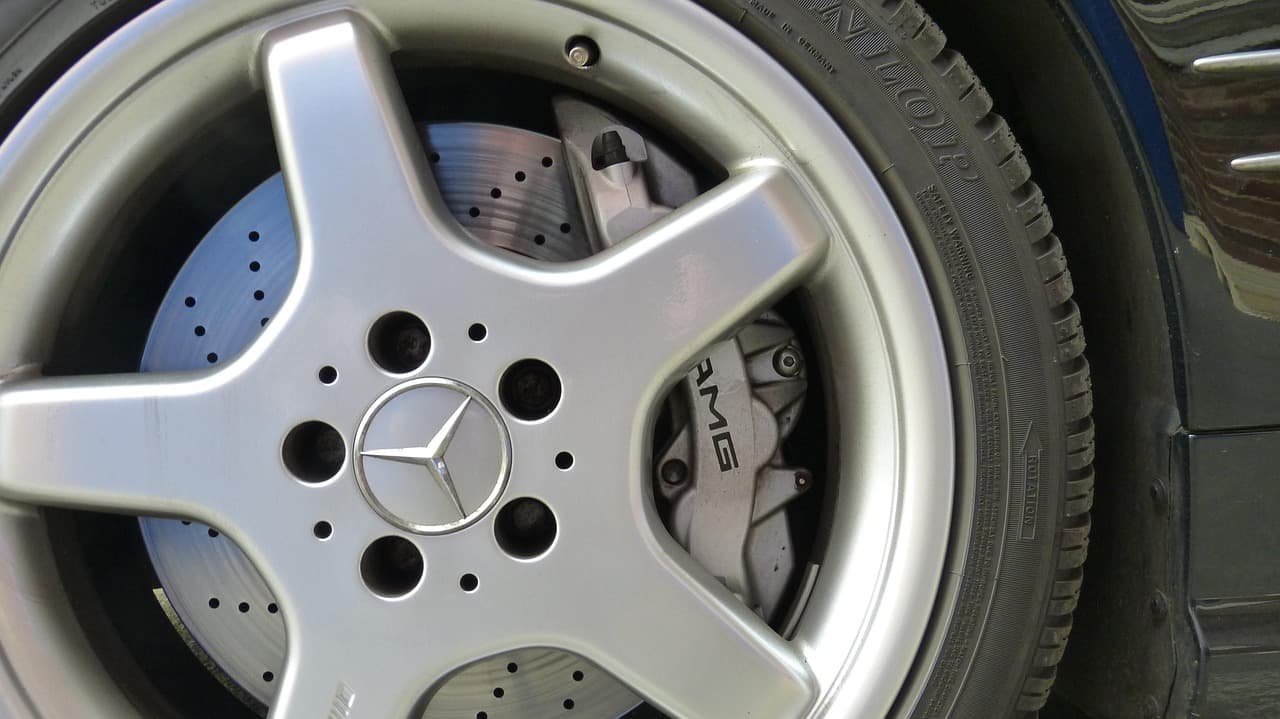
A GMC Canyon caliper typically needs replacing, rather than just new pads, when it leaks brake fluid, sticks or seizes on its slide pins, or causes the truck to pull to one side under braking. Based on cost data from RepairPal and YourMechanic, a single caliper replacement (parts and labor combined) generally runs $300 to $900, and a full front-axle job with both calipers replaced in a pair can land between $600 and $1,500 depending on the shop, the parts chosen, and the region. This guide covers the warning signs specific to a caliper failure, what drives that price range, and how to decide between DIY and a professional shop.
For a broader rundown of what else can go wrong with the Canyon's brake system, see GMC Canyon Brake System Problems and Solutions. This article focuses specifically on the caliper itself and what a replacement costs.
Signs Your Caliper Needs Replacing
Not every brake symptom points to the caliper. Worn pads and warped rotors cause plenty of the same complaints. But a handful of signs are strong indicators that the caliper itself, not just the friction material around it, has failed.
The truck pulls to one side. A caliper piston that is stuck or seized keeps that wheel's pad dragging against the rotor even when the brake pedal is released, creating uneven braking force that makes the Canyon veer toward the affected wheel under hard braking.
A scraping or grinding noise that doesn't go away with new pads. A dragging caliper can produce a noise similar to worn-out pads, but the difference is that it persists, or comes back quickly, even after a pad replacement, because the underlying caliper problem was never addressed.
Visible brake fluid leaking near a wheel. A leak at the caliper usually points to a failed piston seal. This isn't a wait-and-see issue: losing hydraulic pressure at one wheel reduces overall braking performance and can eventually lead to brake failure at that corner.
A hot wheel or a burning smell after driving. A seized piston that won't fully retract keeps the pad in constant contact with the rotor, generating heat that can be felt through the wheel or rim afterward. It's one of the more reliable ways to isolate which corner has the problem before a technician puts the truck on a lift.
Uneven pad wear from one wheel to the next. If one side's pads wear down noticeably faster than the other, a sticking caliper on that side is a common cause.
What Drives the Cost
Brake caliper pricing swings widely because several variables stack on top of each other. Industry cost guides put a general brake caliper replacement in the $500 to $1,500 range across vehicles, while per-model estimates for pickups and mid-size trucks tend to start lower, often in the $300 to $350 range for a single caliper before climbing based on the factors below.
Parts vs. labor split. The caliper itself is usually the bigger line item, especially with OEM parts, while labor to remove the old unit, install the new one, and bleed the brake line typically adds one to two hours per wheel. Shop labor rates commonly range from roughly $80 to $200 per hour depending on the region and whether it's an independent shop or a dealership.
OEM vs. aftermarket calipers. Genuine GM parts cost more but come with a manufacturer warranty and a guaranteed fit. Quality aftermarket calipers can bring the total down, though it's worth checking reviews and warranty terms before choosing the cheapest option.
Replacing in pairs. It's standard practice to replace both calipers on an axle together, even if only one has failed, to keep braking force balanced left to right. That roughly doubles the parts cost of a single-caliper job, which is why a full front-axle replacement tends to land at the higher end of the overall range.
Whether pads and rotors are replaced at the same time. If the caliper failure has already damaged the pads or scored the rotor, those parts need replacing too. Many shops recommend doing this proactively during a caliper job since the labor to access those components overlaps anyway.
Front vs. rear. Front calipers generally handle more of the vehicle's stopping force and can be more involved to access on some Canyon trims, which can push labor slightly higher than a comparable rear caliper job.
The most reliable way to budget for the repair is still a quote from a local shop with the truck's specific trim and mileage in front of it. For help comparing OEM and aftermarket options before buying, see the GMC Brake Parts Shopping Guide.
DIY vs. Professional Replacement
Caliper replacement sits a step above a pad swap in difficulty, mostly because of one added task: bleeding the brake line after the new caliper goes on. That single requirement changes the calculation for a lot of owners.
What favors DIY. Someone comfortable with basic brake work, who already has a jack and jack stands, a caliper piston tool, and either a manual or vacuum brake bleeder, can save a meaningful amount on labor. The mechanical steps, unbolting the old caliper, transferring or replacing the mounting bracket hardware, and torquing the new unit to spec, are well documented and repeatable.
What favors a professional shop. Brakes are a safety-critical system, and a caliper job that isn't bled correctly can leave air in the line, resulting in a soft or spongy pedal that isn't obvious until it's needed most. A shop will also verify there's no fluid contamination on the new pads and catch a warped rotor or worn hardware a DIY job might miss. Given how often caliper problems get misdiagnosed as a pad or rotor issue, a professional inspection before ordering parts is worth the cost on its own.
For readers weighing this decision, the background on how GMC brake calipers work and how they're typically maintained is a useful next read before deciding which route to take.
Frequently Asked Questions
How much does it cost to replace one caliper on a GMC Canyon?
Cost data from national repair estimators puts a single caliper replacement, parts and labor combined, generally between $300 and $900, with the final number depending on whether OEM or aftermarket parts are used and local labor rates. Getting a quote from a shop familiar with the Canyon's specific trim is the most accurate way to budget for the repair.
Do both calipers on an axle need to be replaced together?
It's standard practice to replace calipers in pairs on the same axle, even if only one has failed, to keep braking force even from side to side. If only one caliper is showing symptoms, some shops will replace just that one, but pairing them is the more common recommendation for consistent stopping performance.
Can a bad caliper be repaired instead of replaced?
In some cases a sticking caliper caused by dirt, corrosion, or a seized slide pin can be cleaned, lubricated, and returned to service rather than replaced outright. However, a caliper with a leaking piston seal or visible cracking generally needs to be replaced rather than repaired.
Is replacing a brake caliper a DIY-friendly job?
It's possible for someone with the right tools and some mechanical experience, but it requires bleeding the brake line afterward, which is easy to get wrong and directly affects braking performance. Anyone unsure about that step should have the work done or at least inspected by a professional.
Safety note: This guide is for general informational purposes. Brake systems are safety-critical — if you're unsure at any step, or the work requires specialized tools, have it inspected or completed by a qualified technician.
Related Guides
 Sierra
GMC Sierra 1500 vs 2500 Brake Pad Differences
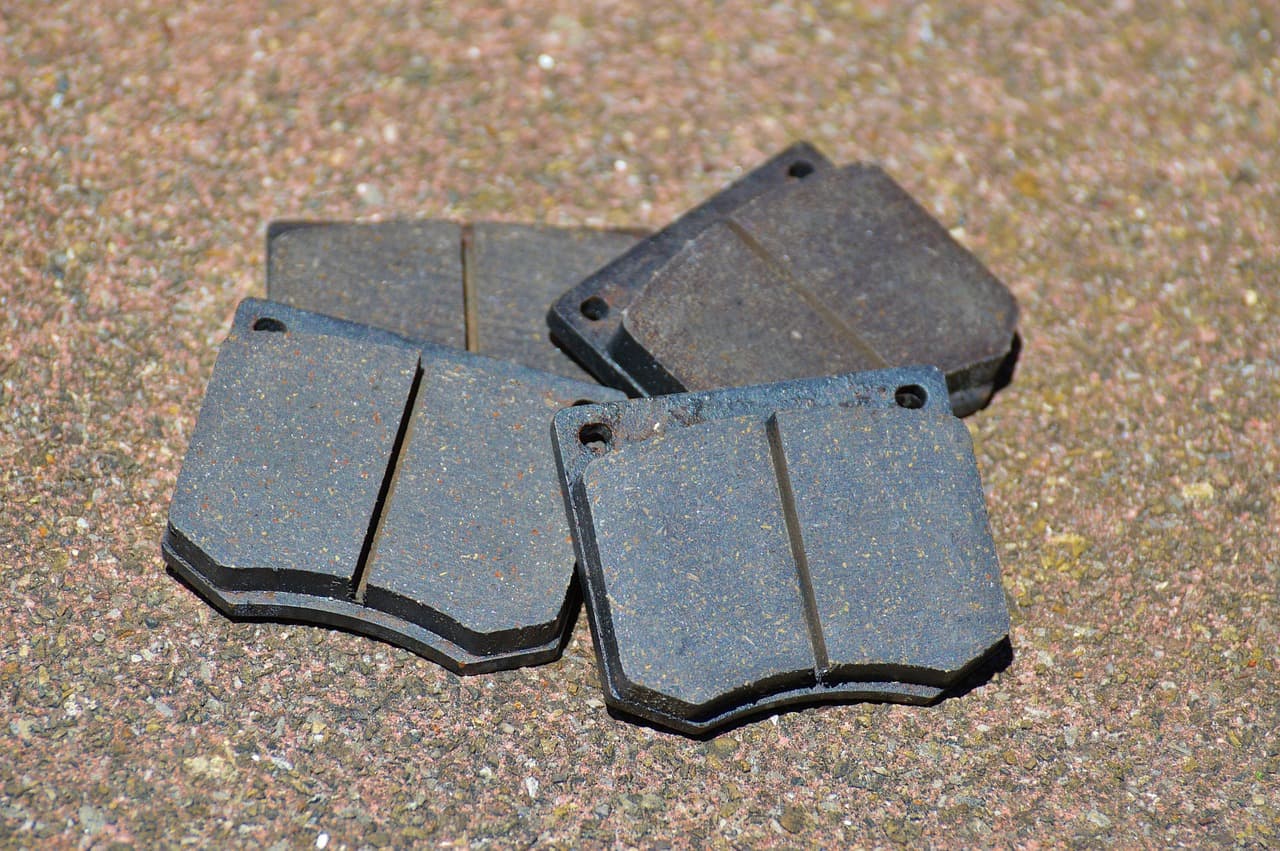
The GMC Sierra 2500 runs a heavier-duty brake system than the Sierra 1500, typically built around larger rotors and calipers sized for its higher GVWR. Because the two trucks are engineered around different weight ratings, their brake pads and rotors are cataloged separately and are not designed to be swapped between them.
 Acadia
Best Brake Rotors for the GMC Acadia — Buyer's Guide
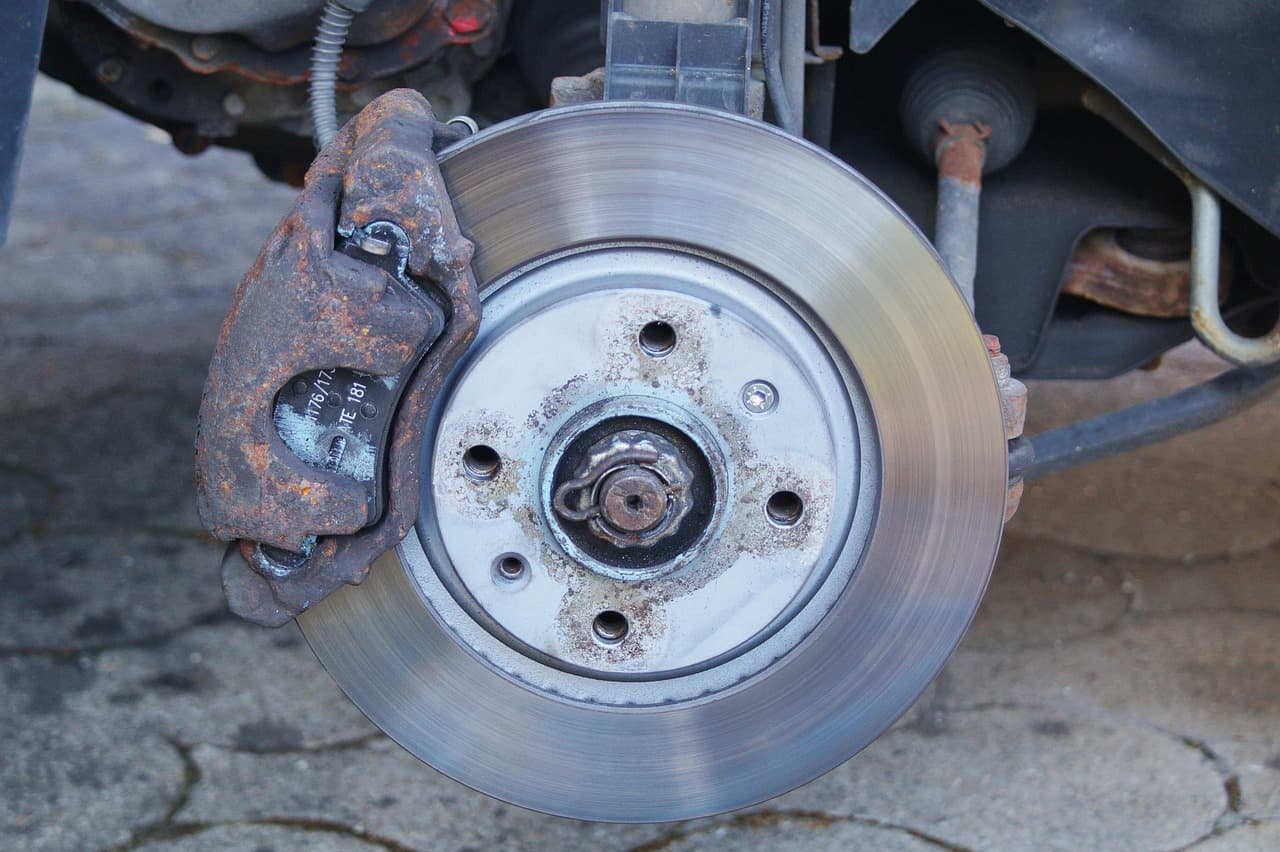
Most GMC Acadia drivers get the best combination of quiet operation, long life, and value from OEM-style blank rotors, while slotted rotors are worth the upgrade for drivers who tow or spend a lot of time on mountain grades. Drilled and cross-drilled rotors carry a cracking risk that makes them a poor fit for a family SUV used for daily hauling.
 Gmc Brakes
2024 GMC Canyon Faces Stop-Sale Order Amidst Headlight Concerns
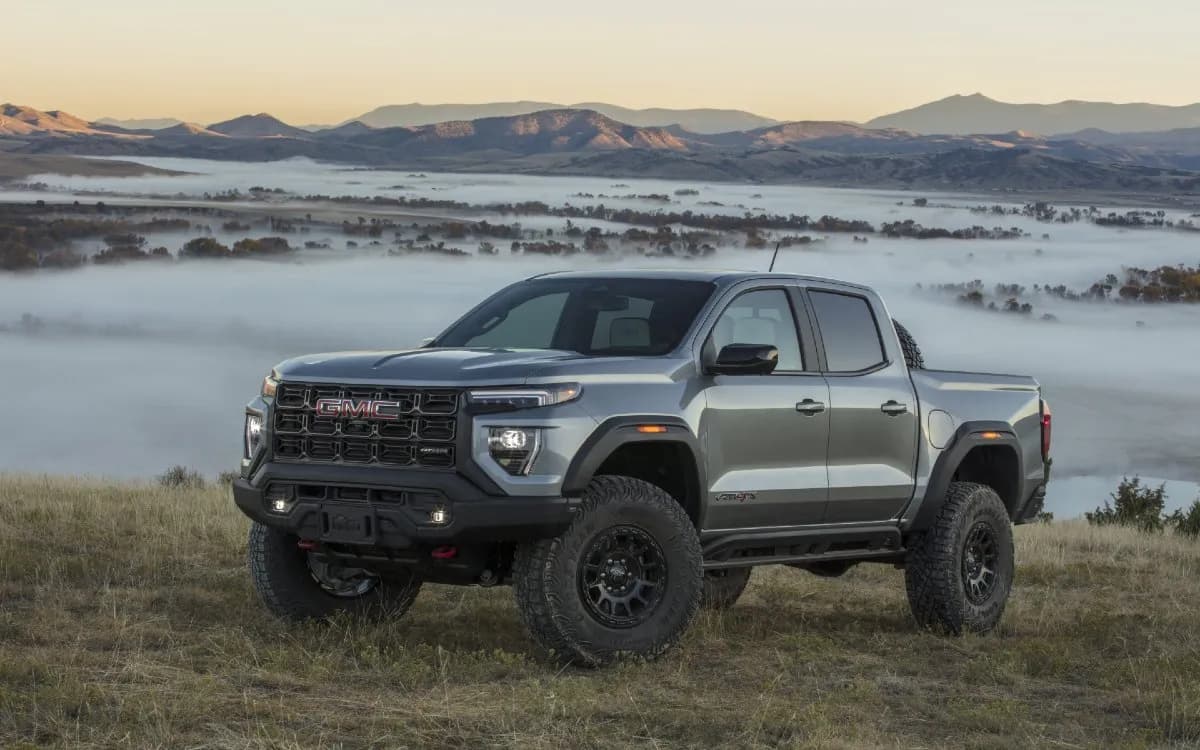
This was quite a shocking revelation where General Motors has ordered for the total stop sale of some 2024 GMC Canyon vehicles. This has been done according to GM recall number N242468880 and communicated to NHTSA, with respect to the new and the used vehicles in the concerned 2024 GMC Canyon lots.