GMC Brake Calipers: Essential for Your Vehicle’s Safety
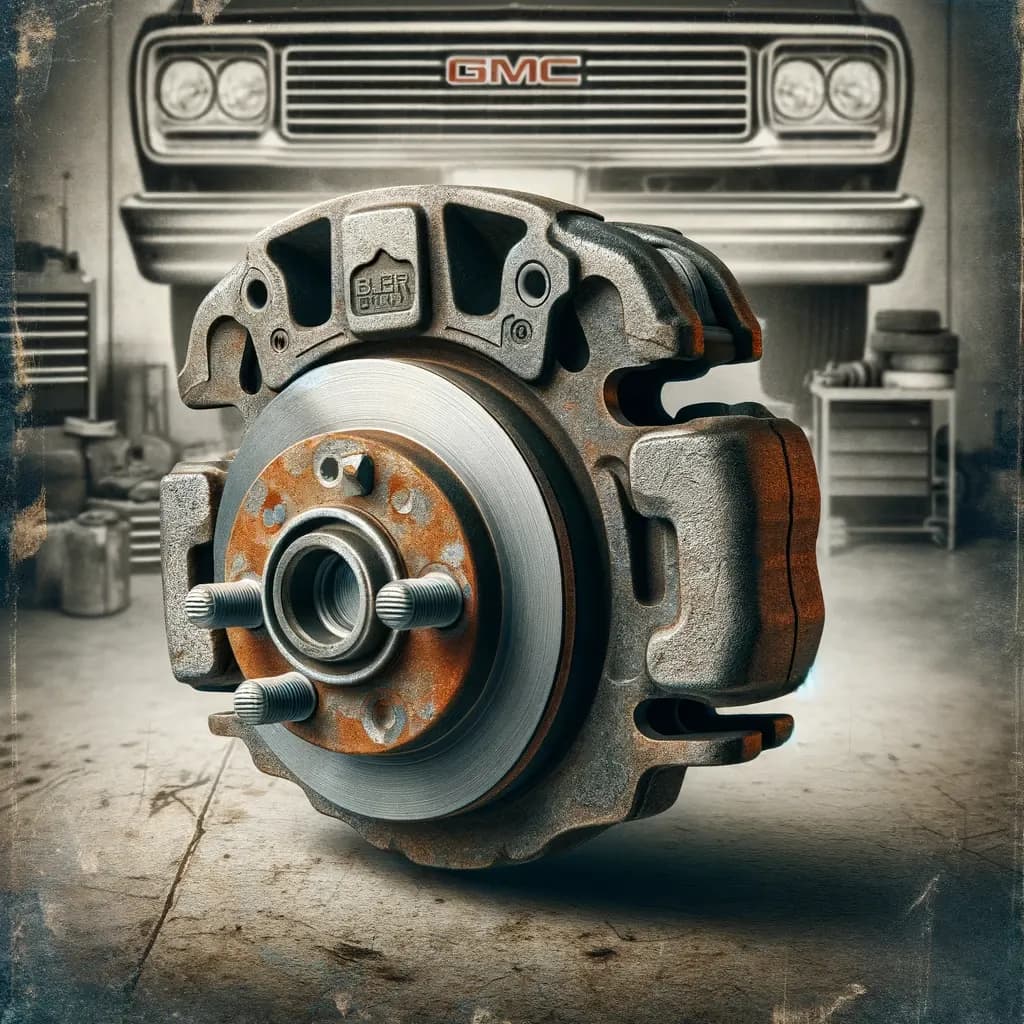
GMC brake calipers are more than just a component; they're central to how the braking system functions. Their role in keeping you safe on the road is hard to overstate. This guide covers how GMC brake calipers work, the different types, maintenance requirements, and more.
What are GMC Brake Calipers?
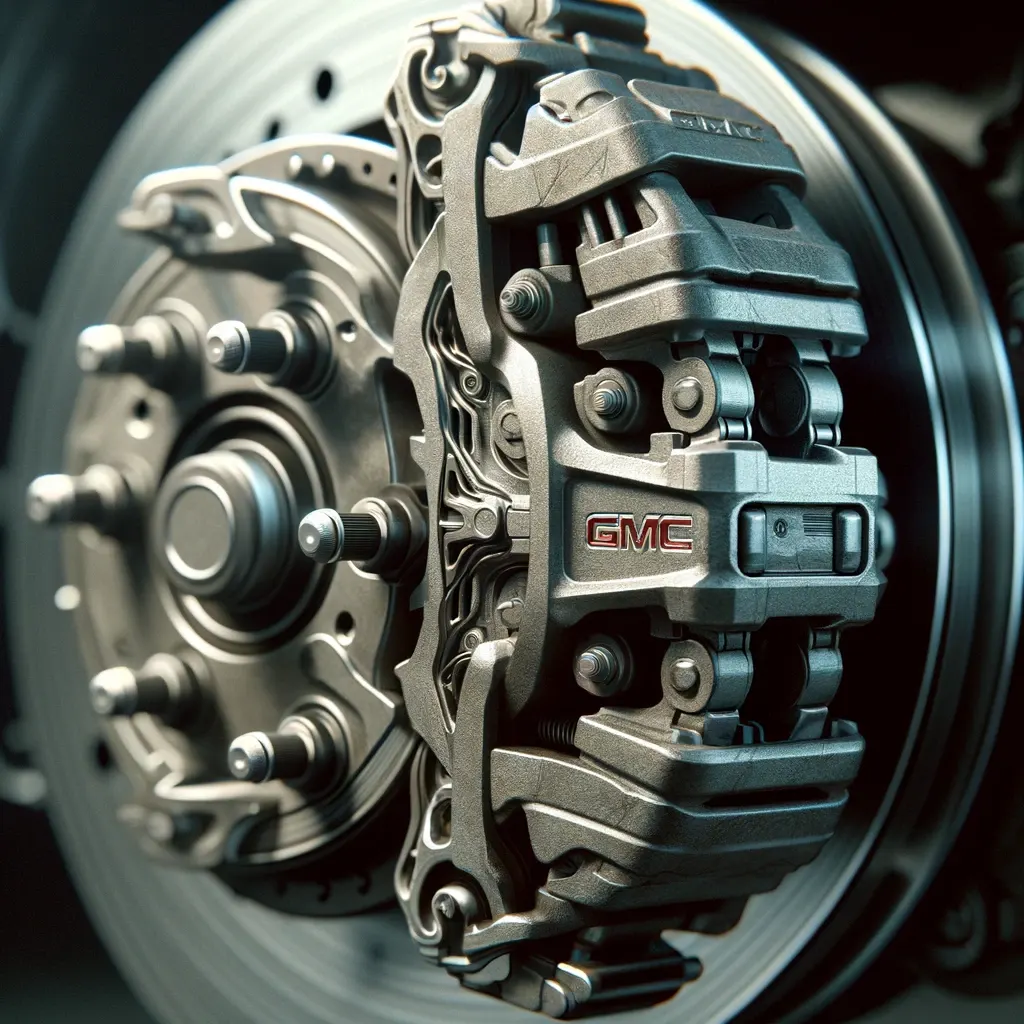
At the core of a GMC's braking system are the GMC brake calipers. These parts generate the friction against the brake rotors that allows the vehicle to slow down or come to a complete stop.
When you press the brake pedal, hydraulic pressure causes the GMC brake calipers to squeeze the brake pads against the rotors. This action slows the rotation of the wheels, which reduces the vehicle's speed or brings it to a stop.
Understanding how GMC brake calipers function matters for every GMC owner. These components aren't just another part on a list; they're essential to both vehicle safety and normal operation.
Types of GMC Brake Calipers
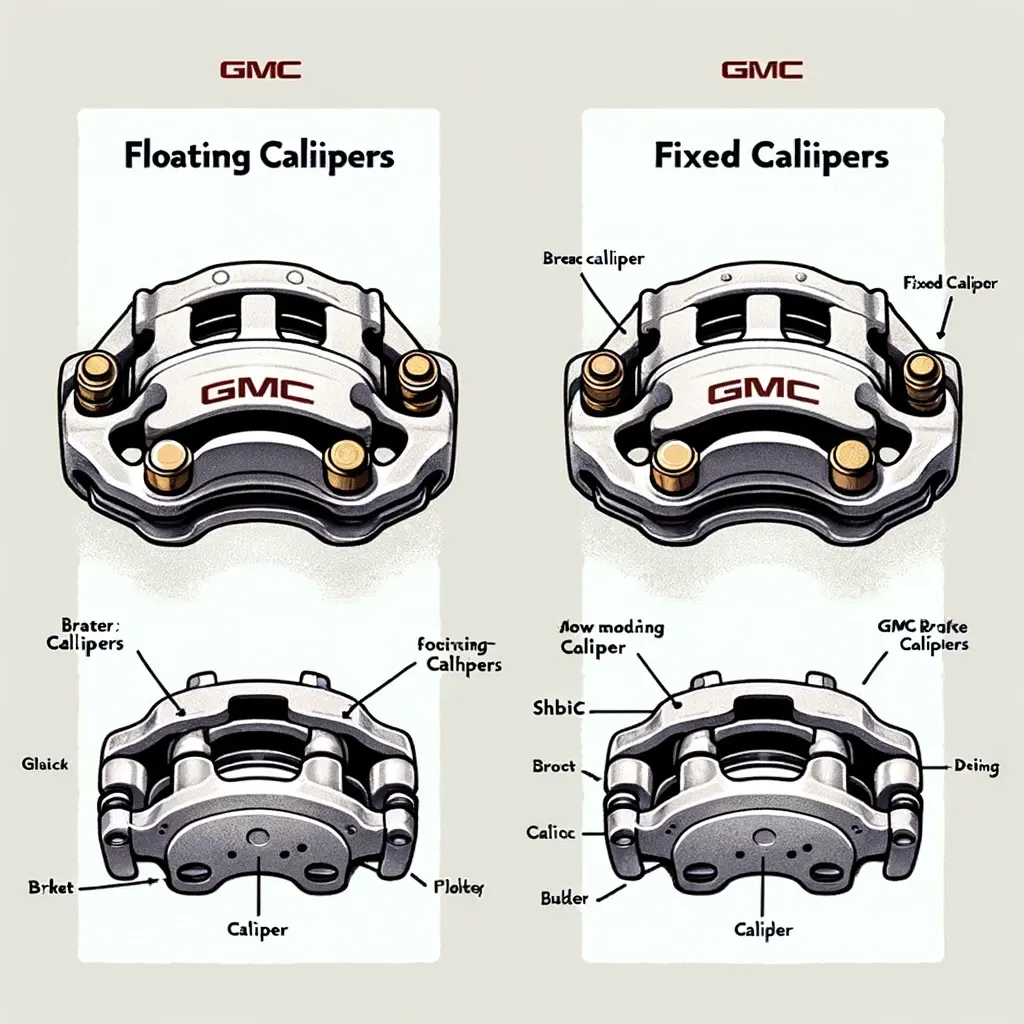
GMC brake calipers come in two primary types: floating (or sliding) calipers and fixed calipers. Floating calipers are the more common type and are designed to move back and forth relative to the rotor. They typically have one or two pistons on one side, and this design allows the brake pads to self-adjust as they wear down.
Fixed calipers, by contrast, don't move. They have pistons positioned on both sides of the rotor, which applies more even pressure on the brake pads and can improve braking performance. Fixed calipers are generally more expensive and tend to show up on performance or luxury GMC models.
The type of GMC brake calipers installed in a given vehicle depends on its specific model and design. Each type has its own advantages, and GMC selects the configuration expected to perform best for that particular vehicle.
Importance of Regular Maintenance
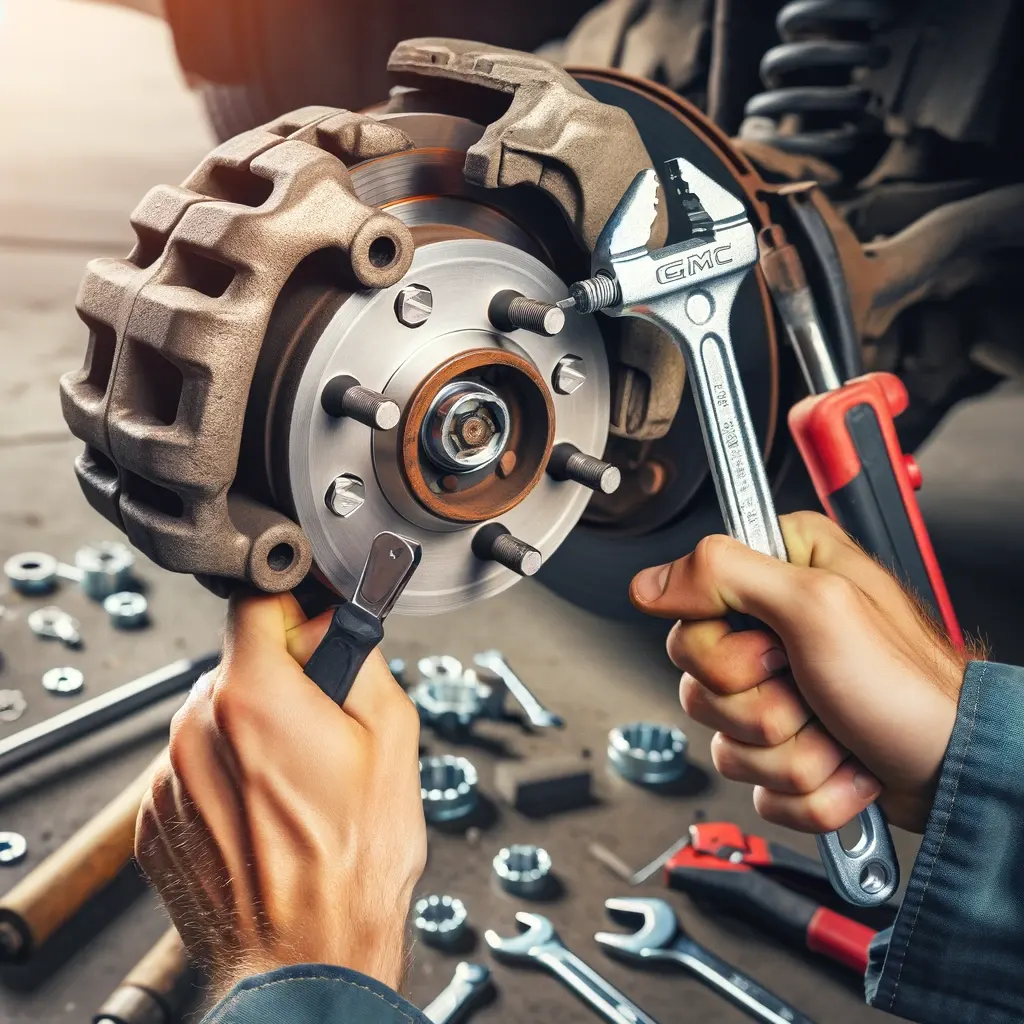
Taking care of GMC brake calipers goes beyond keeping them functional; it's about protecting yourself and everyone else on the road. Regular maintenance checks are essential for preventing accidents and keeping the brakes performing at their best.
Signs that GMC brake calipers need attention include unusual noises such as squealing or grinding when braking, the vehicle pulling to one side, or a noticeable drop in braking performance. These symptoms can point to worn brake pads, misaligned calipers, or other issues within the braking system.
Routine maintenance should include checking for wear or damage, making sure the calipers are properly lubricated, and confirming there's enough material left on the brake pads. It's also worth checking for fluid leaks, since these can indicate a deteriorating seal that could eventually lead to brake failure.
When to Replace GMC Brake Calipers
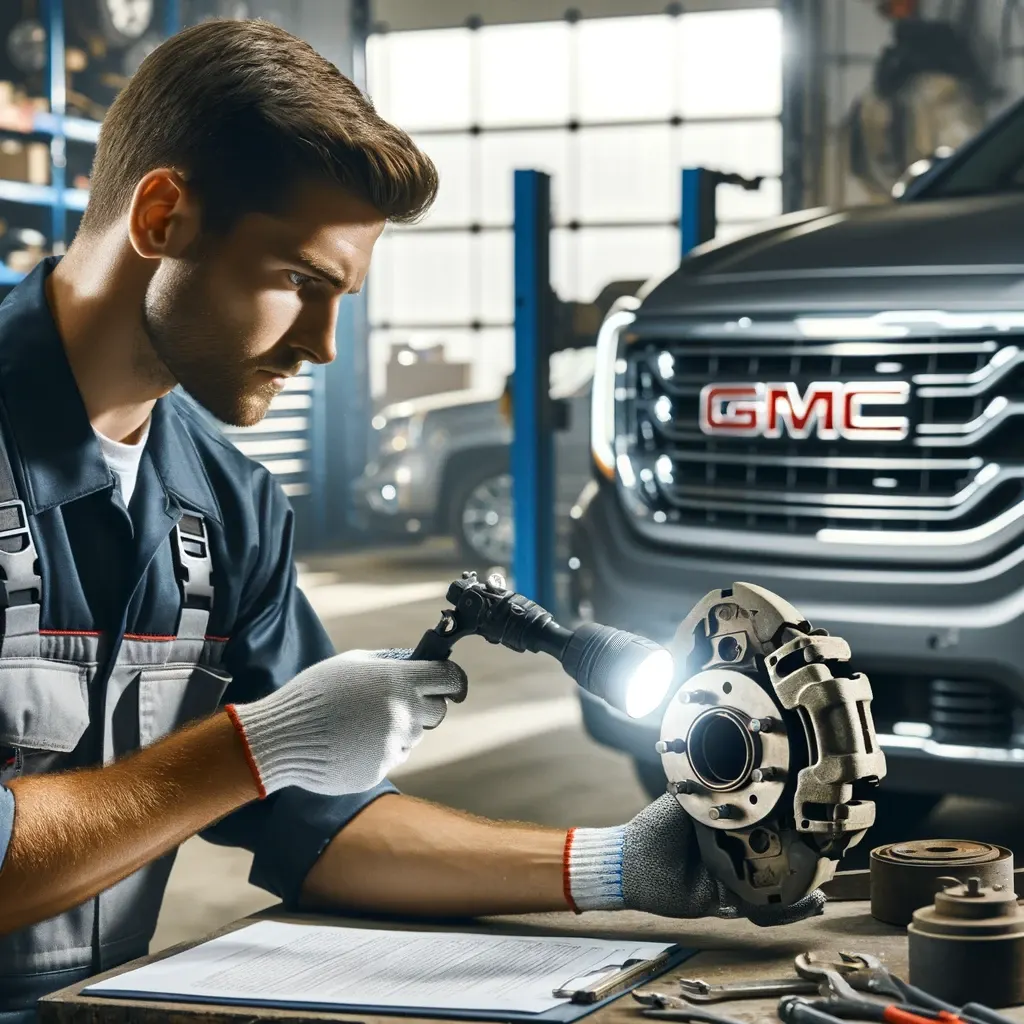
GMC brake calipers are built to last, but they do wear out over time. Knowing when to replace them helps maintain the effectiveness of the braking system. Common signs it's time for new calipers include brake fluid leakage, pistons that are stuck and won't retract easily, or uneven wear on the brake pads.
Caliper problems are sometimes misdiagnosed. A sticking caliper, for example, can get mistaken for a brake pad or rotor issue. That's why a professional inspection is worth the cost when it comes to accurately identifying the actual problem.
DIY Tips for GMC Brake Calipers
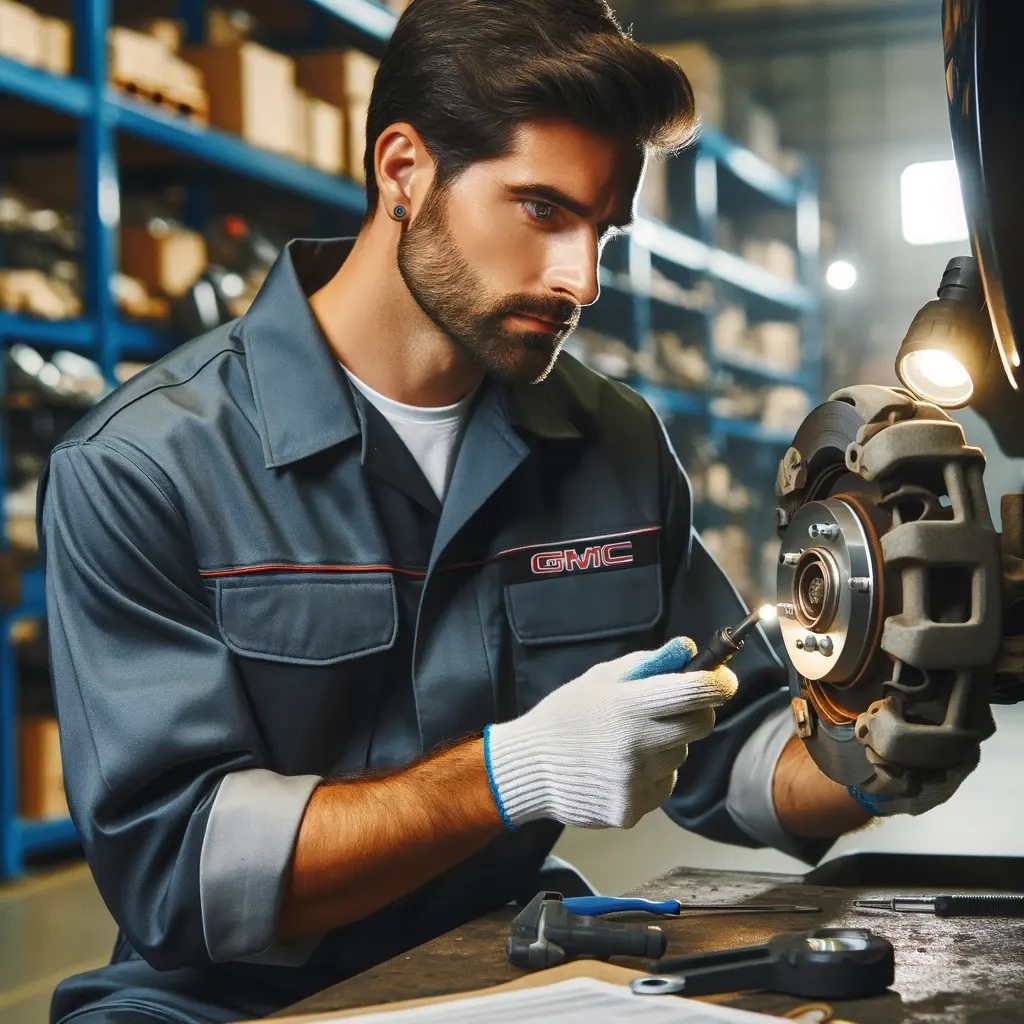
For those who are mechanically inclined, working on GMC brake calipers can be a rewarding DIY project, but it's crucial to approach the task carefully. It requires the right equipment, a solid understanding of the braking system, and a secure working environment.
Before starting, gather the necessary tools: a jack and jack stands, a lug wrench, a set of sockets, and either a C-clamp or a caliper piston tool for retracting the piston. Always refer to the vehicle's specific manual for exact instructions.
Replacing the calipers is also a good opportunity to inspect the brake pads and rotors for wear and replace them if needed. Safety should always come first, so if anything feels uncertain, it's worth consulting a mechanic.
GMC Brake Calipers Overview
| Feature | Description |
| Function | Squeeze brake pads against rotors to slow/stop the vehicle |
| Types | Floating (Sliding) Calipers, Fixed Calipers |
| Maintenance | Regular checks for leaks, wear, and performance |
| Replacement Indicators | Leakage, stuck pistons, uneven pad wear |
| DIY Feasibility | Possible with right tools and expertise |
Final Thought
GMC brake calipers are a vital part of a vehicle's overall safety system. Staying on top of maintenance, replacing parts when needed, and knowing when a repair is within DIY reach can make a real difference in both performance and safety. Whether you handle the maintenance yourself or bring in a professional, don't underestimate how much these components matter. Keeping your GMC brake calipers in good condition goes a long way toward a smooth, secure driving experience.
Calipers are only part of the picture. See The Lowdown on GMC Brake Hardware for the clips, shims, and other small parts that also matter.
FAQ
How often should GMC brake calipers be inspected?
It's advisable to have the brake calipers inspected as part of routine brake maintenance, or any time you notice unusual noises, pulling, or a change in braking performance. Check your owner's manual for a recommended service interval.
Can I replace GMC brake calipers myself?
Yes, if you have mechanical knowledge and the right tools. That said, given the safety stakes involved, it's often best to leave caliper replacement to a trained professional.
What causes GMC brake calipers to stick?
Sticking calipers are commonly caused by dirt or rust buildup, a seized piston, or issues with the brake hose or slider pins.
Are there different types of brake calipers for different GMC models?
Yes. GMC uses both floating and fixed calipers depending on the model and its specific braking requirements.
Is it necessary to replace both GMC brake calipers at the same time?
It's generally recommended to replace calipers in pairs (both sides of an axle) to maintain balanced braking. That said, if only one caliper is faulty, replacing just that one is acceptable in many cases.
Safety note: This guide is for general informational purposes. Brake systems are safety-critical — if you're unsure at any step, or the work requires specialized tools, have it inspected or completed by a qualified technician.
Related Guides
 Gmc Brakes
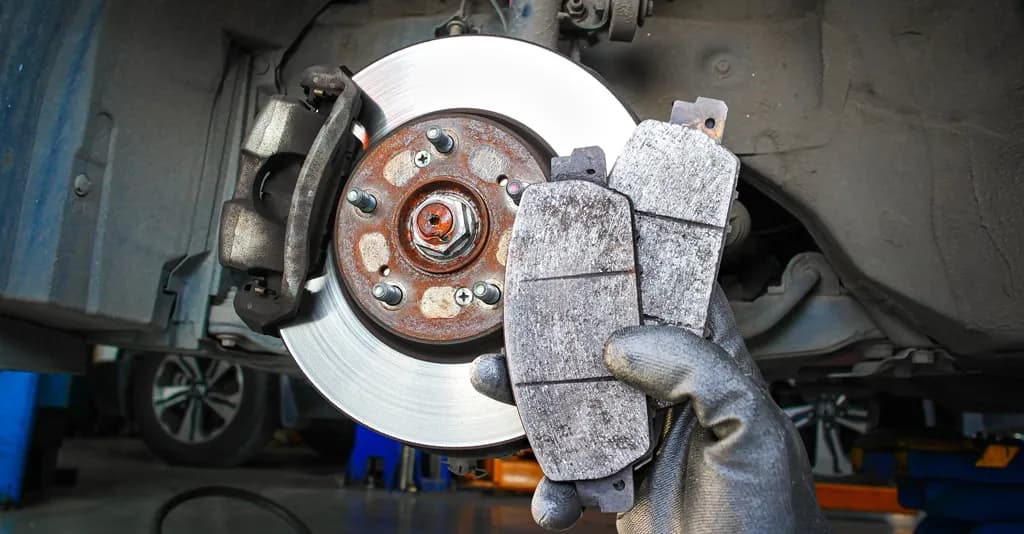
The Best Brake Pad Brands for Your GMC Vehicle
Among the many elements that require proper care in order to achieve the best out of a GMC car, the most important is the brake system. But at the center of that design is your brake pads. Selecting the correct brake pad for your GMC is important to consider as this will affect the braking […]
 Gmc Brakes
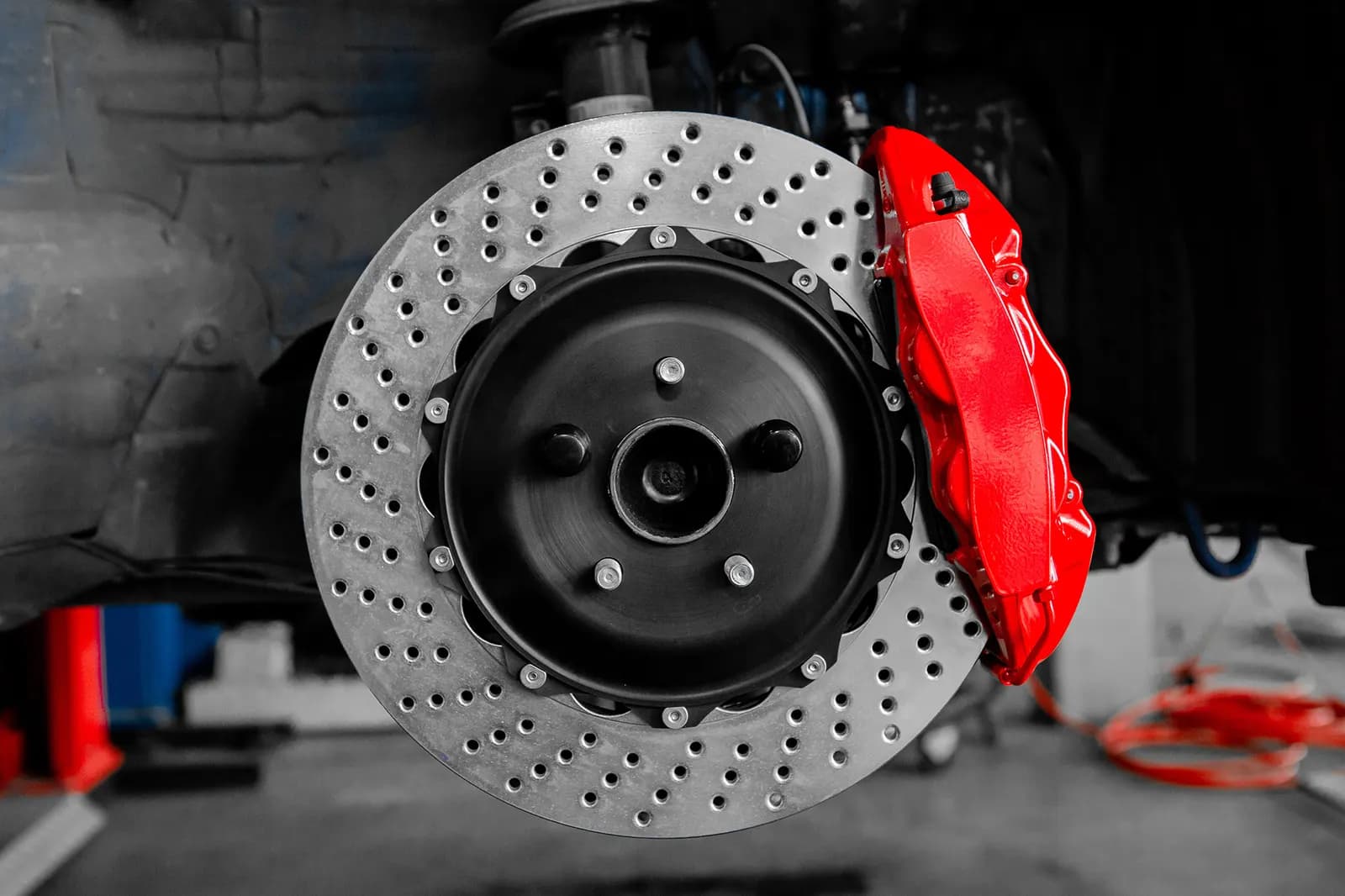
The Ultimate Guide to GMC Brake Calipers: When to Replace and How to Maintain Peak Performance
One part of your cars braking setup GMC brake calipers are crucial, for keeping you safe while driving. These hydraulic contraptions work by pressing the brake pads onto the rotors generating the friction to bring your vehicle to a halt. Understanding GMC Brake Calipers Before delving into the speci
 Gmc Brakes
2003 GMC Yukon Brake Caliper Bolt Size
Everything you need to know about 2003 GMC Yukon brake caliper bolt sizes. Learn the specs for front and rear caliper bolts.