How to Bed In New Brake Pads and Rotors on a GMC
Bedding in, sometimes called burnishing or breaking in, is the short procedure you run right after installing new brake pads, new rotors, or both. The goal is to transfer a thin, even film of pad material onto the rotor surface under controlled heat. That film is what the pads actually grip once the system is in service, and how evenly it goes on decides whether the truck stops smoothly for the next 30,000 miles or develops a shudder within a month. On a Sierra, Yukon, or Acadia the procedure takes about fifteen minutes on an empty road and needs no tools.
Why Bedding Matters
Fresh pads and rotors don't mate perfectly. The pad surface is flat from the factory, the rotor has fine machining marks, and neither has the friction film that makes modern pads work as designed. Bedding solves three things at once:
- It builds the transfer layer. Under moderate heat, a small amount of pad compound bonds to the rotor face. From then on, the pad is largely rubbing against its own material, which is what gives consistent bite and quiet operation.
- It seats the pad to the rotor. Slight high spots on the pad wear down so the full face contacts the rotor, instead of a few hot patches carrying the whole load.
- It cycles the rotor through heat gradually. A brand-new rotor that goes straight into a hard highway stop sees a sudden thermal shock. A staged warm-up lets it stabilize.
When the transfer layer goes on unevenly, the rotor ends up with thick and thin patches of pad material. That thickness variation is the real cause behind most complaints of "warped rotors," a topic we cover in detail in our guide to brake pedal pulsation and steering wheel shake.
A Standard Street Bed-In Procedure
Pad manufacturers publish their own procedures, and the one printed on the box always wins. If you don't have one, the sequence below is representative of what street pad makers such as Hawk Performance recommend, and it works for factory-style semi-metallic and ceramic pads alike.
- Find a safe, empty stretch of road with no traffic behind you and room to repeat stops. Don't do this in a neighborhood or near intersections.
- Drive a few minutes at normal speed with light braking to get everything slightly warm.
- Make 6 to 10 stops from about 30 to 35 mph using moderate, steady pedal pressure. Slow to roughly 5 mph rather than a full stop, then accelerate again. Leave a short gap between each one.
- Make 2 to 3 firmer stops from about 40 to 45 mph. These are hard but controlled, not panic stops with ABS engaging. You may notice a faint smell; that's normal at this stage.
- Drive for 10 to 15 minutes with as little braking as possible to let the rotors cool in moving air.
- Park without holding the brake pedal and without setting the parking brake on the rear rotors if you can safely avoid it on level ground. A hot rotor clamped in one spot by a hot pad can leave a pad-shaped imprint, which is exactly what the procedure is trying to prevent.
After that, drive normally. Avoid towing, mountain descents, or repeated hard stops for the first hundred miles or so while the surfaces finish mating. Some pad brands ship pads that are pre-burnished at the factory and say a formal bed-in isn't required; even then, easy driving for the first few hundred miles is the usual advice.
Common Mistakes
- Coming to a complete stop during the sequence. Sitting still with hot pads clamped on a hot rotor is the single most common way to start uneven deposits. Keep the truck rolling between stops.
- Doing the stops in traffic. Following distance gets short when you're concentrating on the procedure. Pick the road first.
- Bedding new pads on old, glazed rotors. If the rotors weren't resurfaced or replaced, the new pads are laying their film over the old pad's leftover material. Lightly scuffing the rotor surface or replacing it first gives a much better result. Our Acadia rotor buyer's guide covers when a rotor is worth reusing.
- Treating the procedure as a track session. Street pads bed at street temperatures. Repeated stops from 70 mph cook the pad face, glaze it, and can crack a new rotor.
- Mixing pad compounds front and rear without checking both. Each axle gets its own bed-in if both were replaced. Rear brakes on a light truck do less work, so the rear pads may need a few extra moderate stops to reach temperature.
What It Feels Like When It Worked
A properly bedded set feels slightly firmer at the pedal than the old pads did, with no vibration through the wheel or seat and no rhythmic pulsing under light braking. A faint, uniform grey film on the rotor face is the transfer layer doing its job. If you see dark blotches, bluish patches, or a visible band pattern on the rotor after a week of driving, the layer went on unevenly and the rotor may need to be cleaned up before it gets worse.
When to See a Technician
Bedding is a driving procedure, not a repair, and any owner can do it. What it can't fix is a problem with the installation itself. If the new brakes drag, pull to one side, smell hot after normal driving, or the pedal is soft, stop and have the job inspected. A stuck caliper slide pin, a pad installed backwards, or air in the system will not bed out. Torque on the caliper hardware matters too; our 2018 Sierra 1500 caliper torque specs guide shows what a typical spec sheet looks like, and the value for your year and model should come from the service manual.
Frequently Asked Questions
Do I need to bed in brakes if I only replaced the pads?
Yes. The old rotor still carries the previous pad's transfer layer, and the new compound needs to lay down its own. If the rotor is scored or glazed, resurfacing or replacing it before bedding gives a better result than bedding on top of the old film.
How long does it take for new brake pads to fully break in?
The bed-in sequence itself takes about fifteen minutes. Most pad makers then suggest easy driving for the first few hundred miles while the pad face and rotor finish mating. Stopping performance is fine during that time, but avoid towing or repeated hard stops.
Is it normal for new brakes to smell after bedding?
A faint burning or resin smell during and shortly after the firmer stops is normal; it's the pad compound curing under heat. Smoke, a strong smell after gentle driving, or a smell from one wheel only points to a dragging caliper and should be checked.
Can I bed in brakes on a truck that's towing?
No. Bed in with the truck unloaded, then attach the trailer. The extra mass pushes the pads and rotors past street-pad temperatures before the transfer layer is established. If you tow regularly, our guide to brake upgrades for towing with a Sierra covers pad and rotor choices that hold up better under load.
Sources
- Hawk Performance, "How To: Street Brake Pad Bed-In", accessed September 24, 2026.
- OnAllCylinders (Summit Racing), "Brake Down: 3 Brake System Myths and Why They're False", citing StopTech's Carroll Smith on pad material transfer, accessed September 24, 2026.
Safety note: This guide is for general informational purposes. Brake systems are safety-critical — if you're unsure at any step, or the work requires specialized tools, have it inspected or completed by a qualified technician.
Related Guides
 Gmc Brakes
GMC Brake Pad Thickness Chart — When to Replace
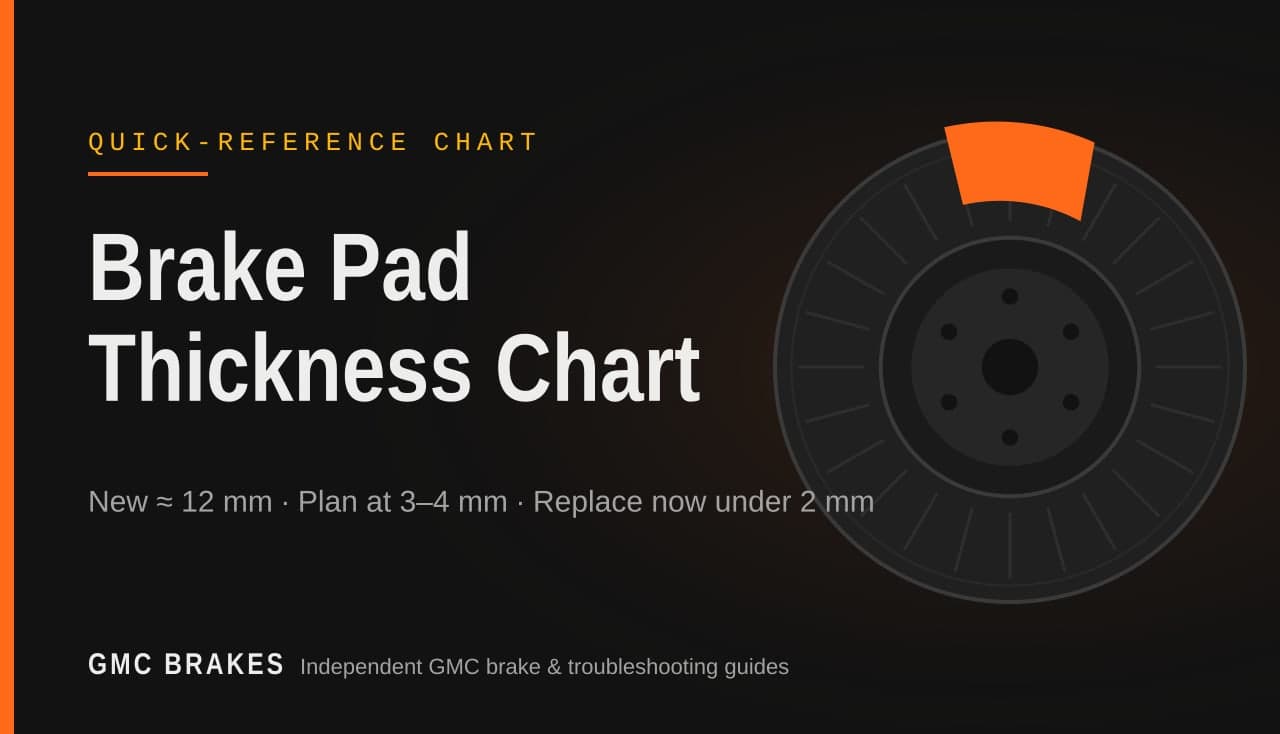
A new brake pad starts at roughly 10 to 12 mm of friction material. Most shops recommend planning a replacement around 3 to 4 mm, and anything under 2 mm is an immediate replace-now situation because the backing plate is about to meet the rotor. This chart puts those numbers next to what you'll see, hear, and feel at each stage.
 Gmc Brakes
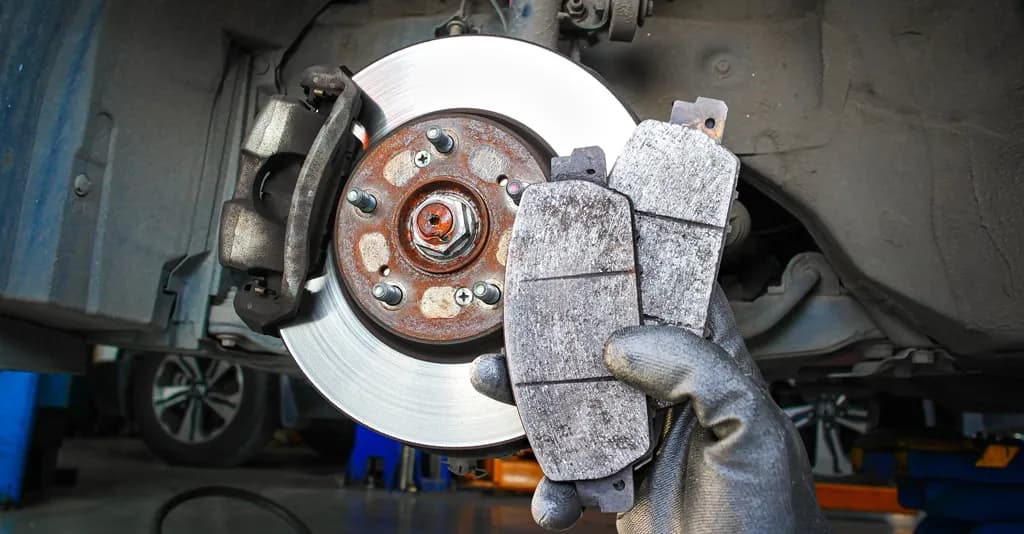
The Best Brake Pad Brands for Your GMC Vehicle
Among the many elements that require proper care in order to achieve the best out of a GMC car, the most important is the brake system. But at the center of that design is your brake pads. Selecting the correct brake pad for your GMC is important to consider as this will affect the braking […]
 Gmc Brakes
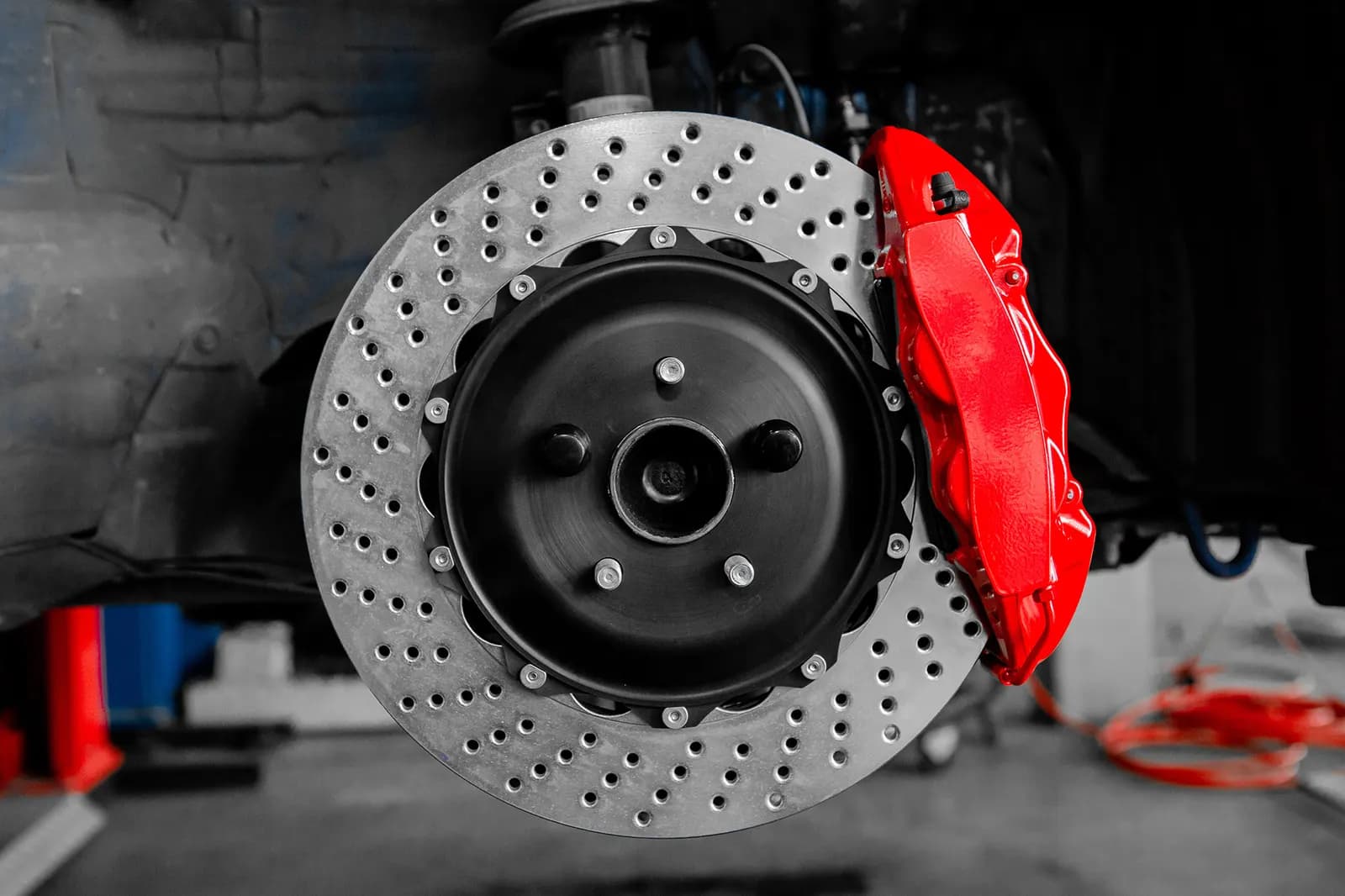
The Ultimate Guide to GMC Brake Calipers: When to Replace and How to Maintain Peak Performance
One part of your cars braking setup GMC brake calipers are crucial, for keeping you safe while driving. These hydraulic contraptions work by pressing the brake pads onto the rotors generating the friction to bring your vehicle to a halt. Understanding GMC Brake Calipers Before delving into the speci