GMC Brake Pad Thickness Chart — When to Replace
Brake pad thickness is the one measurement that answers "how much life is left" without guesswork. A new pad carries about 10 to 12 mm of friction material, roughly half an inch. Most technicians recommend planning a replacement when it reaches 3 to 4 mm, and treating anything under 2 mm as an immediate job, because at that point the steel backing plate is one hard stop away from contacting the rotor. The chart below matches each thickness range to the symptoms that usually go with it and to how urgently to act.
Quick-Reference Chart
| Remaining pad material | Roughly | Condition | What you'll notice | What to do |
|---|---|---|---|---|
| 10–12 mm | 1/2 in | New | Nothing unusual; slight firmness after bedding in | Nothing |
| 6–9 mm | 1/4–3/8 in | Normal wear | Nothing unusual | Check again at the next oil change |
| 4–5 mm | ~3/16 in | Past half life | Usually nothing yet; more dust on front wheels | Plan the replacement; price parts now |
| 3 mm | 1/8 in | Replacement point | Wear-indicator squeal on pads that have one; a "Service Brake Pads" message on trucks with a pad life monitor | Replace soon, within a few weeks of normal driving |
| 2 mm or less | ~5/64 in | Critical | Grinding, longer stops, possible pull to one side | Replace immediately; expect the rotor to need attention |
These are general industry figures rather than a GM specification. The service manual for your year and model may list its own minimum, and that number takes priority.
How to Check Pad Thickness
You can get a useful reading without removing the wheel on most GMC trucks and SUVs:
- Look through the wheel spokes at the caliper with a flashlight. The outer pad sits between the caliper body and the rotor; its friction material is the dark layer between the rotor face and the steel backing plate.
- Compare it to something known. A U.S. nickel is just under 2 mm thick, a quarter about 1.75 mm. If the visible friction material is thinner than a stacked pair of quarters, you're at or under 3.5 mm.
- Check the inner pad too. On many sliding-caliper designs the inner pad wears faster than the outer one, sometimes by a wide margin. If you can only see the outer pad, assume the inner is thinner.
- For a real number, pull the wheel and measure with a pad gauge or vernier caliper at the thinnest point, not the middle. Measuring while the wheel is off for a tire rotation costs almost nothing.
Always read the friction material only. A pad that looks 8 mm thick from the side may be 5 mm of friction material on a 3 mm backing plate.
Wear Indicators and the Pad Life Monitor
Two systems on GMC vehicles try to warn you before the chart gets to the bottom rows:
- Mechanical wear indicators are small steel tabs on some pads that contact the rotor at around 3 mm and produce the high-pitched squeal covered in our brake noise chart. Not every aftermarket pad has one.
- The brake pad life monitor on newer Sierra, Yukon, and other models estimates remaining pad life from driving data and shows a percentage or a "Service Brake Pads" message in the driver information center. It's an estimate, not a measurement, and it has to be reset after a pad change. See what the Service Brake Pad Monitor message means and our reset guide.
Neither replaces a look at the actual pad. A monitor that was never reset after the last brake job can show plenty of life on pads that are nearly gone. Electronic wear sensors, where fitted, are covered in our GMC brake pad wear sensor guide.
Uneven Wear Tells You Something Else
Thickness alone is only half the inspection. Compare the readings:
- Inner pad much thinner than outer. Usually a sticking caliper slide pin or a piston that's slow to retract. New pads will wear the same way until the caliper is serviced.
- One wheel much thinner than the other on the same axle. Same suspects, plus a collapsed brake hose on the worn side.
- Tapered wear across a single pad. The pad isn't sitting square to the rotor; check the caliper bracket and hardware.
- Rear pads thinner than front. Uncommon on a pickup and worth a second look. Rear brakes typically wear slower.
Our guide to when GMC brake calipers need replacing goes into the caliper side of these patterns.
Rotors Have a Minimum Too
While the wheel is off, check the rotor. Its minimum thickness is stamped or cast into the hat or the outer edge, often marked "MIN TH" or "MIN THK" followed by a value in millimeters. Measure the rotor with a micrometer at several points around the friction surface. A rotor at or below that number can't absorb heat properly and should be replaced with the pads rather than resurfaced. A deep lip at the outer edge is a quick visual sign the rotor has lost significant material.
When to See a Technician
Measuring pads is within reach of any owner with a flashlight. Get a shop involved if you find grinding at any thickness, a pad under 2 mm, wear that differs sharply from side to side, or a rotor under its stamped minimum. Those point to work beyond a straightforward pad swap. Brake pads are also always replaced in axle pairs, both wheels at the front or both at the rear, never one side alone.
Frequently Asked Questions
What is the minimum safe brake pad thickness?
Most technicians treat 3 mm as the point to schedule a replacement and 2 mm as the point where the vehicle shouldn't wait. There's no federal minimum in the United States, though some state inspection programs set their own limit, so check local rules if your state inspects brakes.
How thick are new GMC brake pads?
Typically 10 to 12 mm of friction material, depending on the pad design and whether it's a front or rear pad. Rear pads on some models are slightly thinner when new.
How many miles are left at 4 mm of brake pad?
It depends on how the vehicle is driven. Pads wear faster in stop-and-go traffic, when towing, and on heavier trucks. As a rough guide, if the pads have lost 8 mm over 40,000 miles, the remaining usable 2 mm above the replacement point represents somewhere around 10,000 miles, but it's safer to plan the job now than to run the math to the limit.
Do I need to replace rotors when I replace pads?
Not always. If the rotor is above its stamped minimum thickness, smooth, and free of deep grooves or heat spots, it can often be reused or resurfaced. If it's near the minimum, scored, or the truck has had a pulsing pedal, replacing pads and rotors together is the more reliable job.
Sources
- Haynes Manuals, "Brake Pad Thickness Guide: How to Check & When to Replace", accessed September 24, 2026.
Safety note: This guide is for general informational purposes. Brake systems are safety-critical — if you're unsure at any step, or the work requires specialized tools, have it inspected or completed by a qualified technician.
Related Guides
 Gmc Brakes
How to Bed In New Brake Pads and Rotors on a GMC
Bedding in new pads and rotors means a short series of controlled stops that lays down an even layer of pad material on the rotor face. A typical street procedure is 6 to 10 moderate stops from about 30 to 35 mph, 2 to 3 firmer stops from 40 to 45 mph, then a cool-down with no parking-brake holds. Skip it and the most common result is a pulsing pedal a few weeks later.
 Gmc Brakes
The Best Brake Pad Brands for Your GMC Vehicle
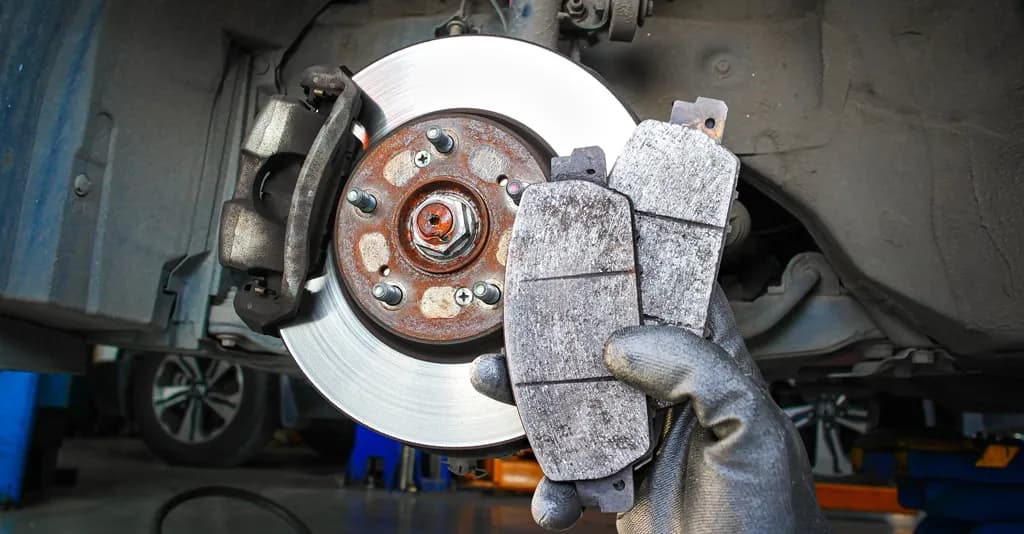
Among the many elements that require proper care in order to achieve the best out of a GMC car, the most important is the brake system. But at the center of that design is your brake pads. Selecting the correct brake pad for your GMC is important to consider as this will affect the braking […]
 Gmc Brakes
The Ultimate Guide to GMC Brake Calipers: When to Replace and How to Maintain Peak Performance
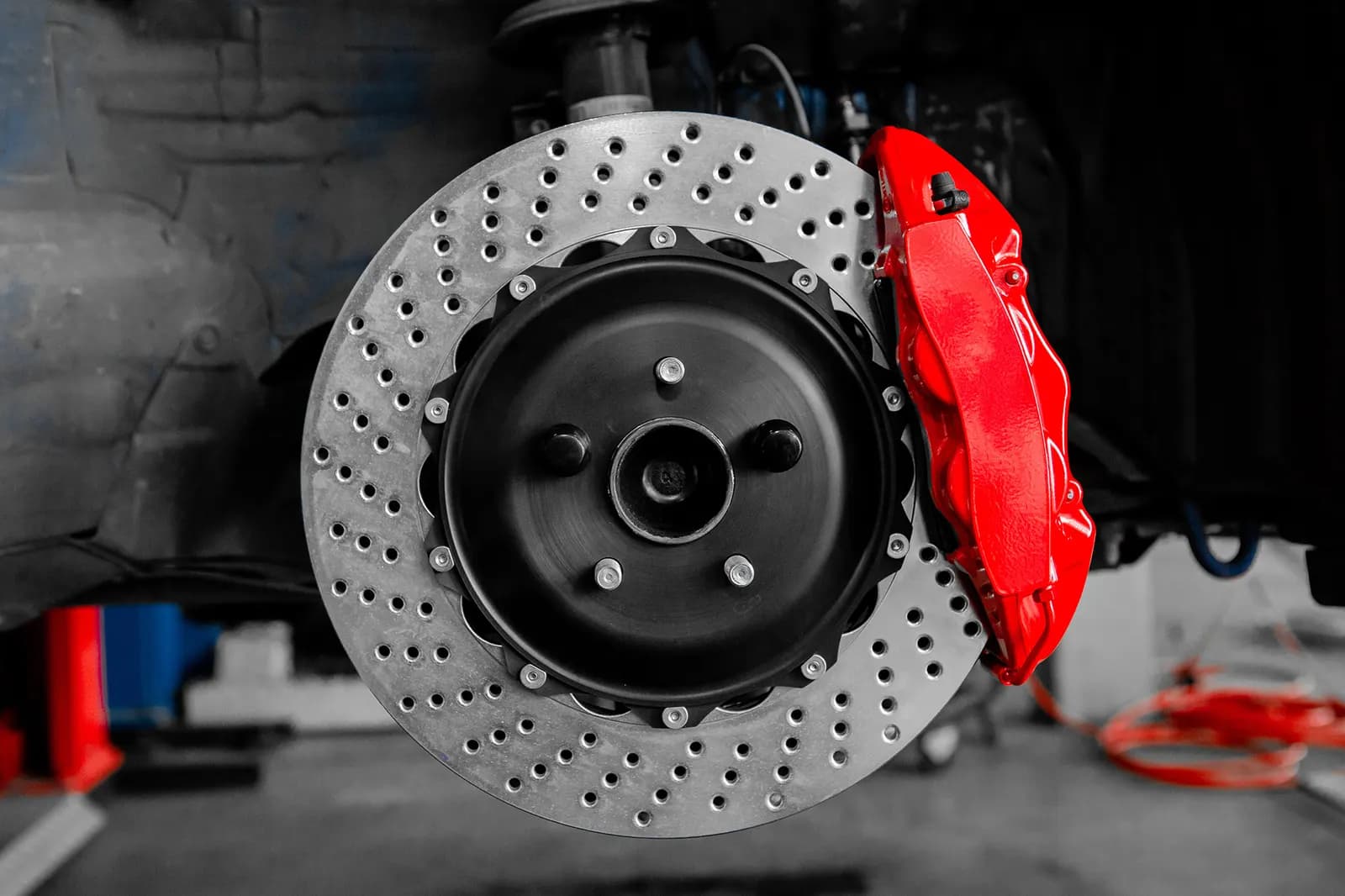
One part of your cars braking setup GMC brake calipers are crucial, for keeping you safe while driving. These hydraulic contraptions work by pressing the brake pads onto the rotors generating the friction to bring your vehicle to a halt. Understanding GMC Brake Calipers Before delving into the speci