Best Brake Rotors for the GMC Acadia — Buyer's Guide
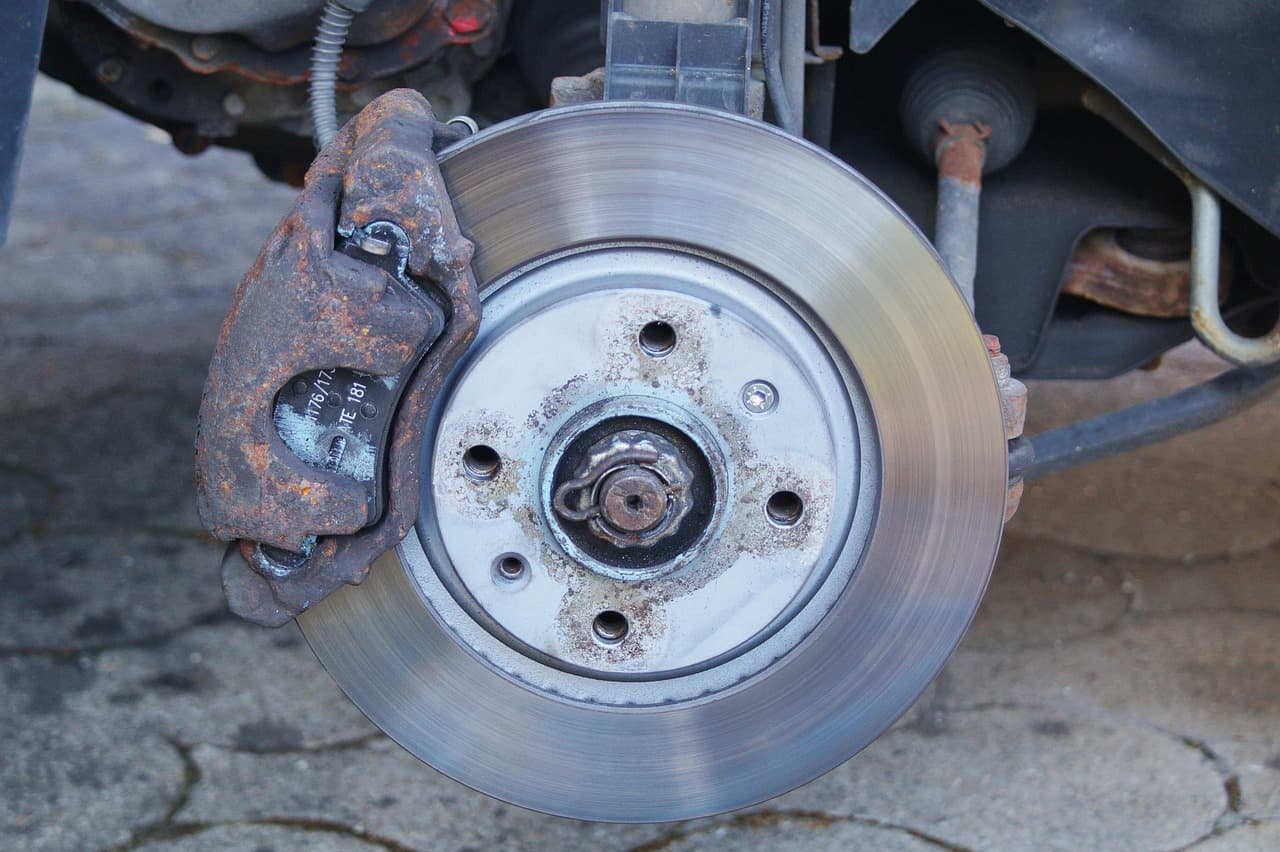
For most GMC Acadia owners, OEM-style blank rotors are the right choice: they're the quietest, longest-lasting, and most affordable option, and they match the braking performance the Acadia was engineered around. Drivers who regularly tow a trailer, haul a full load of passengers and cargo, or drive mountain routes with long descents may get a real benefit from slotted rotors, which help the brakes stay consistent under sustained heat. Drilled and cross-drilled rotors look aggressive but come with tradeoffs that make them a questionable fit for a crossover SUV that spends most of its life doing school runs and grocery trips rather than track days.
Rotor Types Explained
Rotor shopping usually comes down to four categories, and each one is a different answer to the same problem: how to keep the brakes working consistently as they heat up.
Blank (OEM-style) rotors have a smooth, solid friction surface with no holes or grooves cut into it. Because there's no material removed from the face, these rotors keep their full structural strength, which makes them the most resistant to cracking and the quietest under normal use. This is what came on the Acadia from the factory, and it's built to match the vehicle's weight and braking demands without any compromise.
Slotted rotors have shallow grooves machined into the surface. As the brake pads clamp down, those slots give built-up gas, dust, and water somewhere to go instead of getting trapped between the pad and rotor. That keeps the pad in more consistent contact with the rotor face, which matters most when the brakes are working hard for an extended period, like a long downhill grade with a loaded trailer.
Drilled rotors have holes bored through the rotor face instead of surface slots. The holes help vent heat and gas and give water somewhere to escape, which is part of why they're associated with wet-weather performance. The tradeoff is that each hole is a stress point, and rotors that see sustained high heat or heavy loads are more prone to developing cracks radiating from those holes over time.
Drilled and slotted rotors combine both designs. They're marketed heavily for their appearance and performance image, but they inherit the drilled rotor's cracking risk while adding cost, which is worth weighing carefully for a vehicle that isn't seeing track use.
What Most Acadia Drivers Actually Need
The Acadia is a family crossover, not a performance car, and its factory brake system is sized around that job. A 2018 to 2020 Acadia uses 12.64-inch front rotors and 12.40-inch rear rotors, dimensions chosen to handle everyday commuting, school pickup lines, and the occasional loaded grocery run without drama.
For that kind of use, a quality OEM-style blank rotor paired with the right pad compound covers the vast majority of driving scenarios. Blank rotors run quieter than slotted or drilled designs, produce more even pad wear, and typically hold up longer before they need machining or replacement. Unless there's a specific reason to go looking for an upgrade, matching what GMC originally engineered for the vehicle is usually the simplest and most cost-effective path.
When Slotted or Drilled Rotors Make Sense
Slotted rotors earn their keep on Acadias that regularly tow. The Acadia's towing capacity reaches up to 4,000 to 5,000 pounds depending on engine and trim, and a loaded trailer adds real strain to the braking system, especially on long descents where the brakes are working continuously rather than in short bursts. The same logic applies to drivers who frequently take mountain roads or routinely load the Acadia with a full complement of passengers and cargo. In those situations, the venting that slots provide helps keep the pad-to-rotor contact more consistent, which can translate into a firmer pedal feel late into a long stop.
Drilled rotors are harder to justify on an Acadia used for towing or heavy hauling, since that's exactly the kind of sustained heat load that increases the odds of the holes propagating into cracks. They're more at home on lighter vehicles that see occasional spirited driving rather than repeated heavy-load stops. Drivers who are drawn to the drilled look but also tow or haul regularly are generally better served by a slotted-only rotor, which offers similar gas and water venting without the structural weak points.
Material and Coating Differences
Rotor material and coating matter as much as the surface pattern. Higher-grade cast iron formulations dissipate heat more effectively and resist warping better than budget castings, which is part of why price varies so much between rotor lines even when the shape and pattern look identical. Many current rotors also come with a zinc or e-coating over the non-braking surfaces, which are the vanes, hub face, and outer edge. That coating doesn't affect braking performance, but it meaningfully cuts down on the surface rust that builds up on cast iron, especially in climates with road salt or high humidity, and it keeps the rotor's cooling vanes from corroding shut over time.
What to Check Before You Buy
A few checks before ordering rotors save most of the return-and-reorder headaches:
- Confirm fitment by year and trim. Rotor diameter and thickness have changed across Acadia generations, so a part that fits a 2020 model isn't guaranteed to fit a 2024. Cross-reference by VIN or model year rather than assuming all Acadias share the same rotor.
- Match the rotor to the pad. Pad compound affects both noise and rotor wear, and a mismatched pairing can undo whatever benefit a rotor upgrade was supposed to deliver. Ceramic pads tend to run quieter and produce less dust, which pairs well with a blank rotor for daily driving.
- Buy from an established brand category. Rotors from well-known manufacturers with a track record in the category tend to have more consistent casting quality and clearer warranty terms than off-brand budget parts, even when the sticker price looks similar.
- Budget realistically. Rotor pricing spans a wide range, generally landing somewhere around $50 to $150 per rotor depending on grade and coating, with premium or towing-rated lines running higher. Price alone isn't a reliable quality signal, so it's worth weighing it against brand reputation and coating.
- Check the retaining hardware while it's apart. A rotor job is a convenient time to inspect the rotor retaining screws, since a seized or stripped screw is a common holdup that's easier to deal with before the new rotor is on the hub.
Frequently Asked Questions
Do I need slotted or drilled rotors for a GMC Acadia used only for commuting?
No. A commuter Acadia that isn't towing or regularly loaded down does fine with OEM-style blank rotors. Slotted and drilled designs are built to handle sustained heat loads that a typical commute doesn't generate, so the upgrade wouldn't provide a noticeable benefit for that kind of driving.
Are drilled rotors more likely to crack on an Acadia that tows?
Drilled rotors carry a higher cracking risk under sustained high heat because the holes create stress points in the rotor face. Towing generates exactly that kind of sustained heat on long grades, which is why slotted-only rotors are generally the safer upgrade path for an Acadia that regularly pulls a trailer.
Does rotor size differ across Acadia model years?
Yes. Rotor diameter and thickness have changed across Acadia generations, and even within a generation, trim level can affect brake sizing. Always confirm fitment against the specific model year and trim rather than assuming a single part number covers every Acadia.
Is a more expensive rotor always a better choice?
Not necessarily. Price reflects a mix of casting quality, coating, and brand reputation, but two rotors at similar price points can differ in longevity and heat handling. Checking the coating type and the manufacturer's track record gives a clearer picture than price alone.
Safety note: This guide is for general informational purposes. Brake systems are safety-critical — if you're unsure at any step, or the work requires specialized tools, have it inspected or completed by a qualified technician.
Related Guides
 Acadia
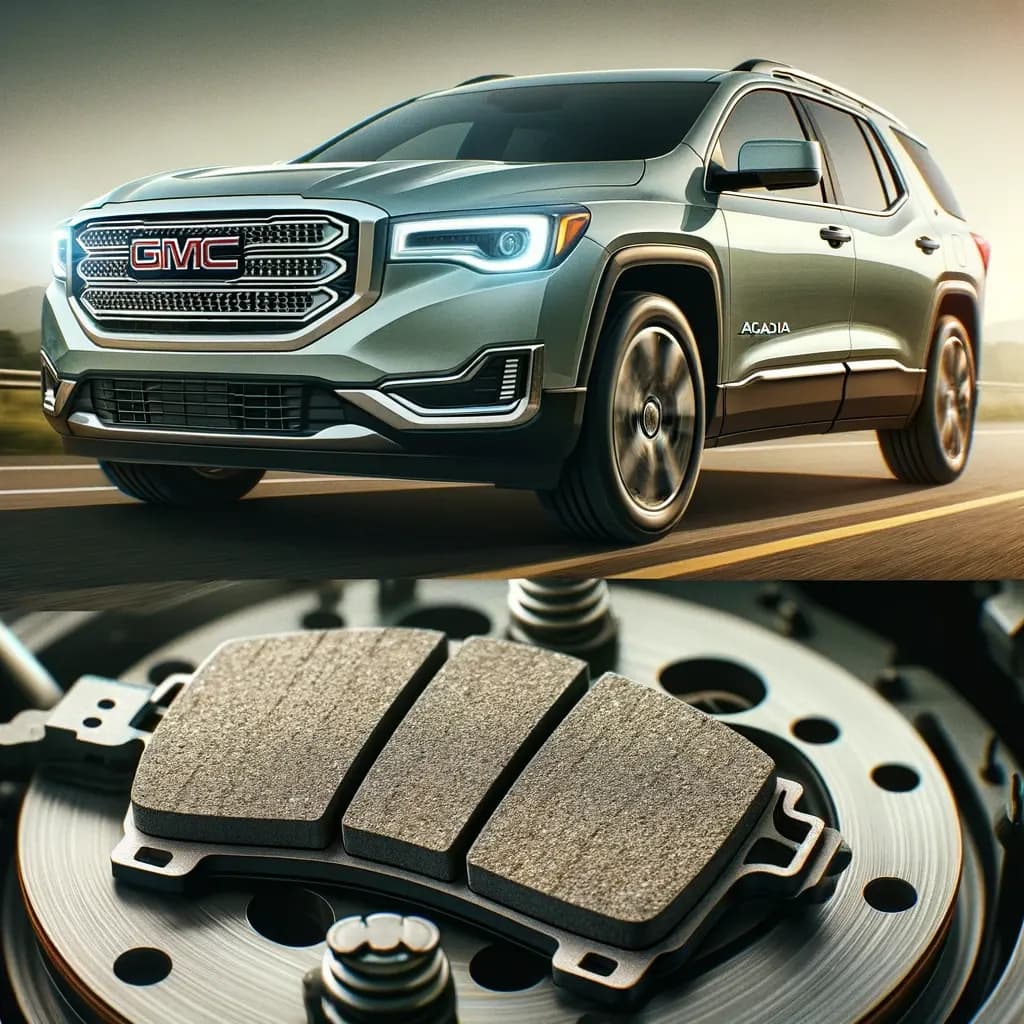
GMC Acadia Brake Pads
Get the best tips for your GMC Acadia brake pads! Learn about types, care, and when to replace for a safe, smooth ride.
 Acadia
GMC Acadia Brake Warning Light Meanings
A rundown of the brake-related warning lights and dashboard messages you might see on a GMC Acadia, what each one generally means, and how urgently to act.
 Acadia
GMC Acadia Sales Drop 59% in Q2 2024 Amid Tough Competition
GMC Acadia sales have taken a significant hit during the second quarter of 2024. Recent statistics show that sales of GMC Acadia have plummeted by a 59 percent, in the United States, Mexico and Canada when compared to the year. This sharp decline in GMC Acadia sales has sparked worries among those i