GMC Master Cylinders
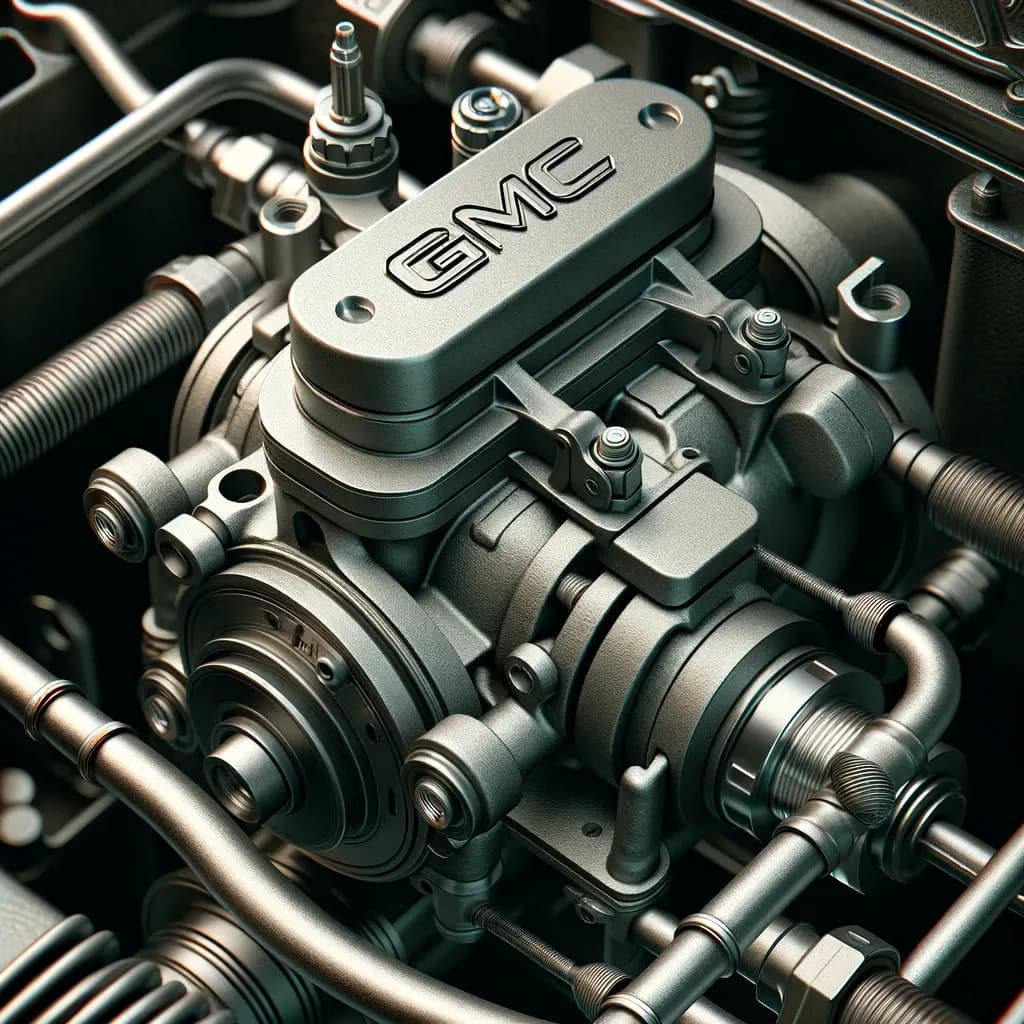
The GMC Master Cylinder is a component that deserves close attention when it comes to your vehicle's safety and reliability. As an essential part of the braking system, it plays a direct role in keeping you and your passengers safe on the road.
What is a GMC Master Cylinder?
At its core, the GMC Master Cylinder is an integral part of the vehicle's brake system. It converts the force applied to the brake pedal into hydraulic pressure.
That pressure travels through the brake lines to the calipers or drum brakes, which slow the vehicle or bring it to a stop. The design and function of the GMC Master Cylinder are central to the performance and safety of the entire braking system.
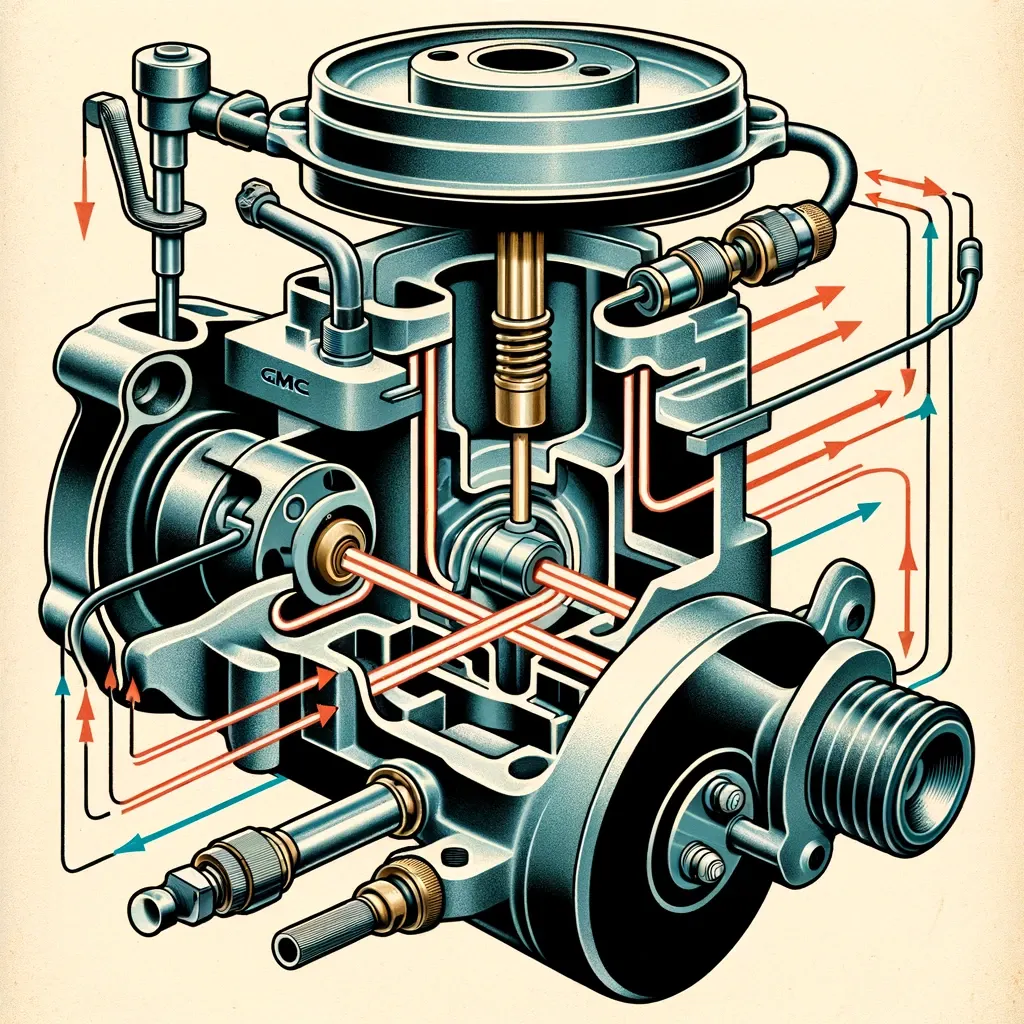
How Does a GMC Master Cylinder Work?
The GMC Master Cylinder relies on straightforward but precise mechanics. When the brake pedal is pressed, a connected lever pushes a piston inside the master cylinder. That movement displaces brake fluid and generates pressure in the brake lines.
That pressure is distributed evenly to the brakes at each wheel, which helps maintain balanced braking. The master cylinder is built to respond reliably every time the pedal is pressed.
The Importance of the GMC Master Cylinder
A properly functioning GMC Master Cylinder is critical to safe driving. Often described as the heart of the brake system, it directly affects how well the brakes respond. Any malfunction in this component can compromise your ability to stop effectively, which makes routine attention to it well worth the effort.
Signs of a Failing GMC Master Cylinder
Recognizing the signs of a failing GMC Master Cylinder is crucial for maintaining vehicle safety. Common warning signs include a brake pedal that feels unusually soft or spongy, reduced braking effectiveness, or brake fluid leaks near the wheels or underneath the vehicle.
A dashboard brake warning light can also signal a problem. These symptoms shouldn't be ignored, since a failing master cylinder can eventually lead to brake failure, a risk no driver should take lightly.

Maintenance Tips for Your GMC Master Cylinder
Maintaining a GMC Master Cylinder isn't overly complicated, but it does require regular attention. Keeping the brake fluid at the proper level and replacing it according to the manufacturer's guidelines is a key part of that maintenance.
Brake fluid absorbs moisture over time, which can reduce its effectiveness and potentially damage the braking system. Having a qualified mechanic regularly inspect the master cylinder for wear or damage helps catch problems before they escalate.
Keeping an eye on the brake fluid reservoir and checking for leaks around the master cylinder makes it easier to catch issues early.
Replacing Your GMC Master Cylinder
When it's time to replace a GMC Master Cylinder, choosing the right part for the specific model matters. OEM GMC parts are built for that exact vehicle, which provides better compatibility and performance.
Aftermarket parts can be tempting because of lower prices, but they don't always meet the same quality standards as OEM components. Replacing the master cylinder is also a good opportunity to inspect other brake elements, such as the lines and pads, to keep the entire system in good condition.
GMC Master Cylinder Quick Facts
| Feature | Description |
| Function | Converts pedal force to hydraulic pressure |
| Importance | Essential for vehicle braking system |
| Failure Signs | Spongy brake pedal, decreased braking efficiency, fluid leaks |
| Maintenance | Regular fluid checks, professional inspections, timely fluid replacement |
| Replacement | Use genuine GMC parts for best results |
Cost Considerations for GMC Master Cylinder Maintenance
The cost of maintaining or replacing a GMC Master Cylinder varies depending on the vehicle model and the type of master cylinder it uses.
Cutting corners to save money upfront isn't worth the risk, since the master cylinder is directly tied to braking safety. Investing in quality parts and professional installation now can help avoid more expensive problems down the road.
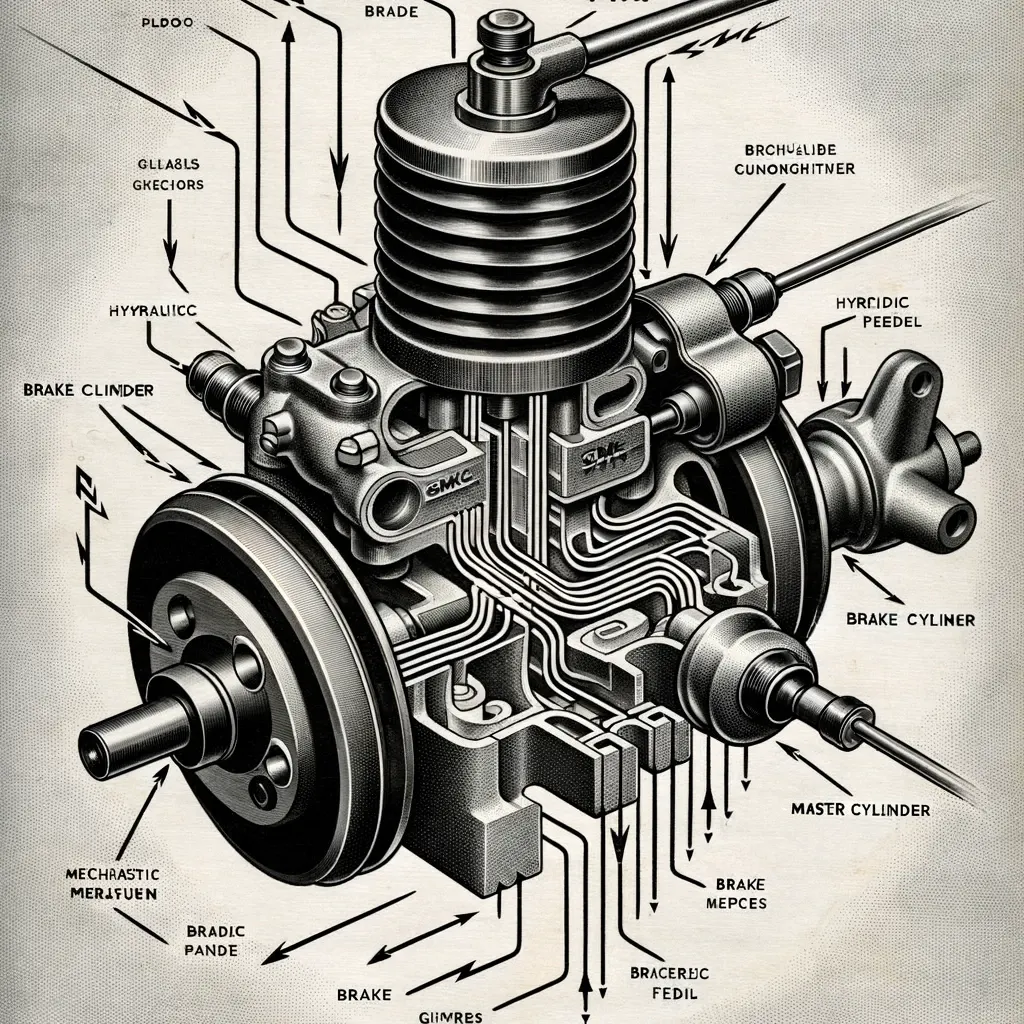
DIY vs. Professional Service for Your GMC Master Cylinder
While some car enthusiasts are comfortable performing basic maintenance tasks, servicing or replacing a GMC Master Cylinder is generally best left to professionals. The braking system is both intricate and critical to your safety.
Mistakes during maintenance can lead to serious consequences. Professional mechanics bring the expertise, tools, and experience needed to do the job correctly, and they can inspect the broader braking system while they're at it to confirm everything is in good working order.
Final Thought
The GMC Master Cylinder is more than just another car part. It plays a direct role in the safety and dependability of your vehicle's braking system. Consistent maintenance, recognizing warning signs early, and seeking professional help when needed all go toward keeping your GMC in good shape. Paying attention to the master cylinder isn't just about protecting your vehicle, it's an investment in your own safety and the safety of everyone else on the road.
FAQ
How often should I replace my GMC Master Cylinder?
It's generally recommended to have the master cylinder checked by a mechanic, or to consult your owner's manual, every 75,000 to 100,000 miles.
Can I drive with a failing GMC Master Cylinder?
It's not safe. If you notice any signs of a problem, have the vehicle inspected right away.
How do I know if my GMC Master Cylinder is failing?
Watch for a soft or spongy brake pedal, visible fluid leaks, or a noticeable decrease in braking effectiveness.
Is it expensive to replace a GMC Master Cylinder?
Costs vary by model and local labor rates. Expect the total for parts and installation to run into the hundreds of dollars; check with a local shop or your dealer for an accurate quote.
Can I replace the GMC Master Cylinder myself?
Given the complexity and critical nature of this task, it's highly recommended to have a qualified technician handle the replacement to ensure safety.
Safety note: This guide is for general informational purposes. Brake systems are safety-critical — if you're unsure at any step, or the work requires specialized tools, have it inspected or completed by a qualified technician.
Related Guides
 Gmc Brakes
GMC Brake Noise Chart — What Each Sound Means
A quick-reference chart matching common GMC brake noises — squealing, grinding, clicking, and more — to their likely cause and how urgently to act.
 Gmc Brakes
Gmc Brake Error and Solution
Understanding The GMC Brake Error: A Comprehensive Overview The GMC brake error represents a critical safety concern that manifests in various GMC vehicle models, particularly affecting the electronic brake control module (EBCM). This error typically indicates a malfunction in the brake system’s ele
 Gmc Brakes
2024 GMC Canyon Faces Stop-Sale Order Amidst Headlight Concerns
This was quite a shocking revelation where General Motors has ordered for the total stop sale of some 2024 GMC Canyon vehicles. This has been done according to GM recall number N242468880 and communicated to NHTSA, with respect to the new and the used vehicles in the concerned 2024 GMC Canyon lots.