The Ultimate Guide to GMC Brake Calipers: When to Replace and How to Maintain Peak Performance
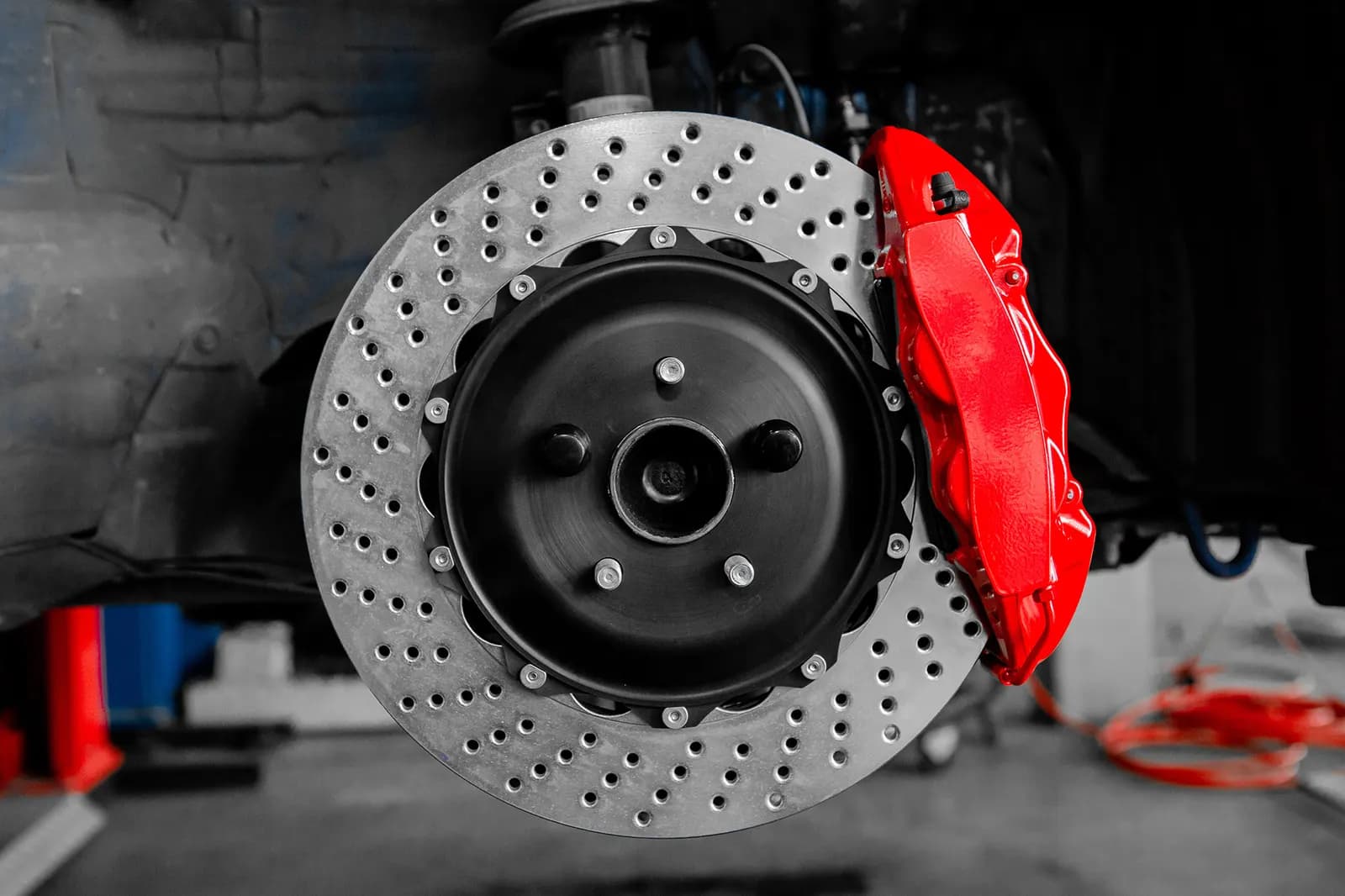
GMC brake calipers are a critical part of your car's braking setup, and keeping them in good shape is essential for driving safely. These hydraulic components press the brake pads against the rotors, generating the friction that brings your vehicle to a stop.
Understanding GMC Brake Calipers
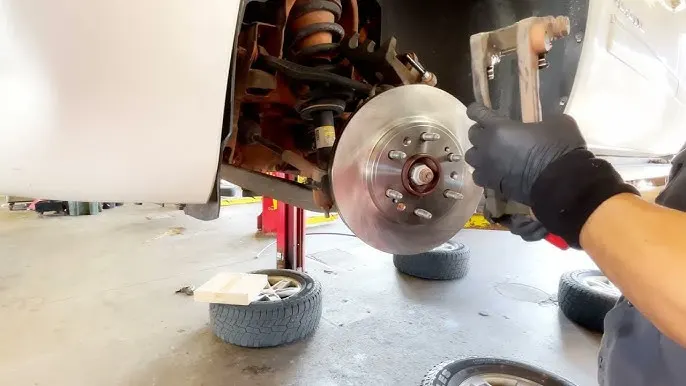
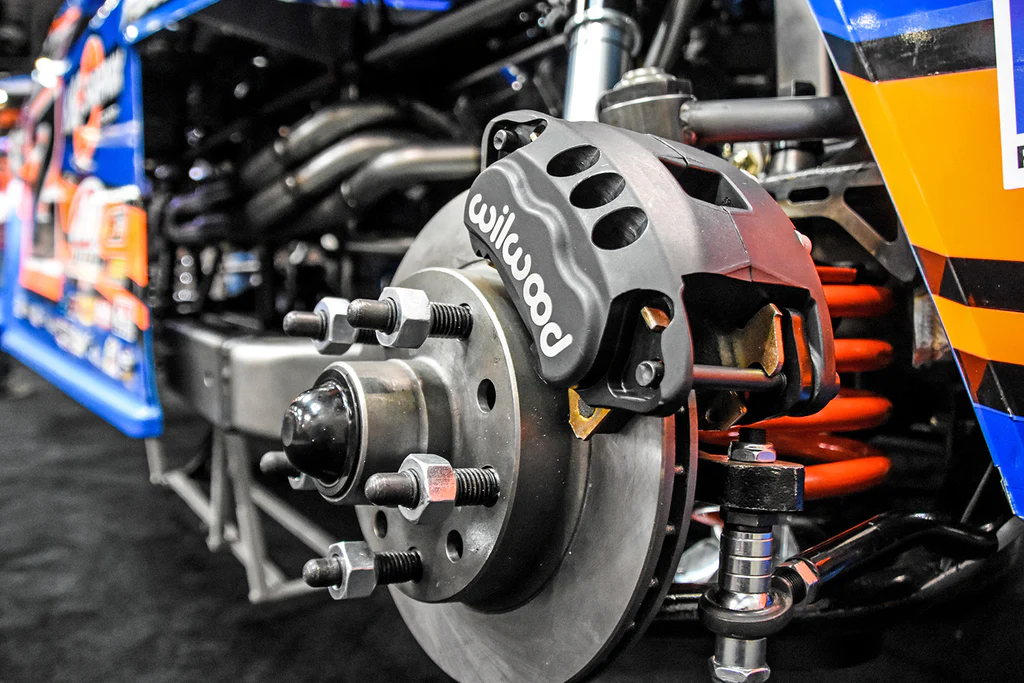
Before getting into maintenance and replacement, it helps to understand how GMC brake calipers actually work. When you press the brake pedal, fluid flows from the master cylinder to the calipers. The calipers then use that hydraulic force to clamp the brake pads against the rotors, creating the friction that slows the vehicle.
GMC brake calipers fall into two main categories: floating (or sliding) and fixed. Floating calipers move relative to the rotor, while fixed calipers stay stationary and use pistons on both sides of the rotor. Most vehicles, including GMC models, use fixed calipers because they tend to deliver better performance and last longer.
When to Replace GMC Brake Calipers
Unlike brake pads and rotors, GMC brake calipers are built to last the life of the vehicle. Still, there are situations where replacement becomes necessary:
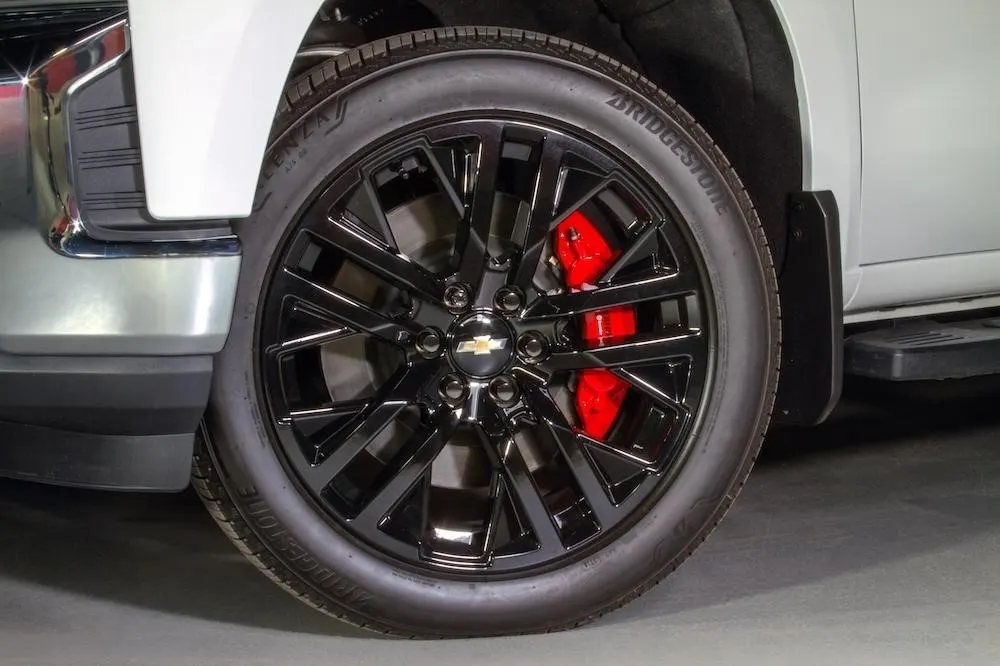
- Damage. If your GMC brake calipers are damaged from an accident or severe corrosion, replacing them is crucial for both braking performance and safety.
- Leaks. Brake fluid leaking from a caliper points to seal failure, and that calls for replacement.
- Sticking or seizing. When calipers stick or seize, the brake pads can rub constantly against the rotors. Replacing the caliper prevents further damage and keeps braking consistent.
- Uneven braking. If your vehicle pulls to one side while braking, or braking feels uneven, a failing caliper is often the reason.
Replacing GMC Brake Calipers: Front vs. Rear
When you're replacing GMC brake calipers, it's worth figuring out whether the issue is with the front or the rear before you buy parts. Here's what to keep in mind for each:
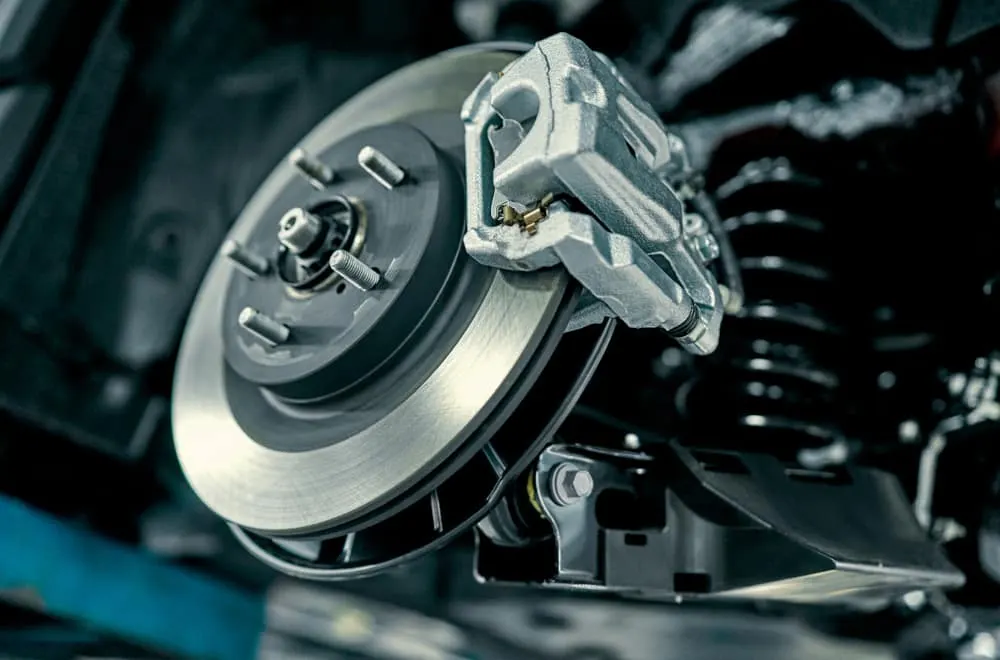
Front GMC Brake Calipers
On vehicles with front disc brakes, it's best to replace both front calipers together, even if only one is faulty. This keeps braking balanced on both sides and prevents pulling or swerving while you drive.
Rear GMC Brake Calipers
If your GMC has disc brakes on all four wheels and you notice a problem with one rear caliper, it's still worth replacing both rear calipers at the same time. The rear brakes only handle around 30% of your vehicle's total braking power, but replacing the calipers in pairs keeps performance even and helps maintain shorter stopping distances.
Maintaining GMC Brake Calipers for Peak Performance
Staying on top of maintenance keeps your GMC brake calipers working well for longer. A few habits make a real difference:
- Get them inspected regularly. Whenever your vehicle is in for brake service, have the mechanic check the calipers for wear, leaks, or damage.
- Lubricate the slide pins. High-temperature grease on the caliper slide pins prevents sticking and uneven wear on the brake pads.
- Flush the brake fluid. Replacing brake fluid on schedule prevents contamination and keeps hydraulic pressure in the calipers where it should be.
- Replace the hardware too. When you swap brake pads, replace the related hardware, like caliper bolts and clips, so everything fits and functions correctly.
Choosing the Right GMC Brake Calipers
If you need to replace your GMC brake calipers, choosing dependable parts matters. Keep these factors in mind before you buy:
- OEM vs. aftermarket. OEM calipers are built specifically for your vehicle, but quality aftermarket options can offer similar performance at a lower price.
- Material. Look for calipers made from durable materials like cast iron or aluminum that can handle sustained heat and pressure.
- Warranty. A solid warranty protects your investment and gives you some assurance of long-term performance.
- Brand reputation. Stick with brands known for producing reliable, high-performance brake calipers.
Signs It's Time to Replace Your GMC Brake Calipers
Knowing when to replace your GMC brake calipers keeps your vehicle safe and running the way it should. Watch for these warning signs:
1. Brake fluid leaks. Fluid pooling near a wheel, or a dropping level in the reservoir, usually means a caliper is leaking.
2. Unusual sounds. Squealing, grinding, or clicking when you brake can point to a caliper that's sticking or seizing.
3. Decreased braking performance. A soft or unresponsive pedal, or a longer stopping distance than usual, often signals a failing caliper.
4. Pulling to one side. If your vehicle veers in one direction under braking, a stuck or seized caliper is a likely cause.
5. Visible damage. Cracks or heavy corrosion on the caliper body mean it's time to consider replacement.
The Importance of Proper GMC Brake Caliper Installation
When you're installing new GMC brake calipers, getting the installation right matters just as much as choosing good parts. Keep these points in mind:
- Follow the manufacturer's instructions. Use the recommended tools and torque specifications throughout the install.
- Bleed the system. After installing new calipers, bleed the brake system to clear out air bubbles and restore proper hydraulic pressure.
- Allow a break-in period. New calipers need time to bed in properly. Follow the manufacturer's recommendations for this process.
- Consider professional installation. If you're not confident doing the job yourself, a qualified mechanic is the safer choice.
Final Thought
GMC brake calipers play a central role in your car's braking system, protecting your safety and everyone else's on the road. Knowing when to replace them, how to maintain them, and what to look for when buying new ones keeps your GMC's brake system in good shape for years. Watch for signs of wear or damage, prioritize quality parts, and don't cut corners on installation. Taken care of properly, your GMC will keep delivering safe, reliable braking for as long as you drive it.
Safety note: This guide is for general informational purposes. Brake systems are safety-critical — if you're unsure at any step, or the work requires specialized tools, have it inspected or completed by a qualified technician.
Related Guides
 Gmc Brakes
How to Bed In New Brake Pads and Rotors on a GMC
Bedding in new pads and rotors means a short series of controlled stops that lays down an even layer of pad material on the rotor face. A typical street procedure is 6 to 10 moderate stops from about 30 to 35 mph, 2 to 3 firmer stops from 40 to 45 mph, then a cool-down with no parking-brake holds. Skip it and the most common result is a pulsing pedal a few weeks later.
 Gmc Brakes
GMC Brake Pad Thickness Chart — When to Replace
A new brake pad starts at roughly 10 to 12 mm of friction material. Most shops recommend planning a replacement around 3 to 4 mm, and anything under 2 mm is an immediate replace-now situation because the backing plate is about to meet the rotor. This chart puts those numbers next to what you'll see, hear, and feel at each stage.
 Gmc Brakes
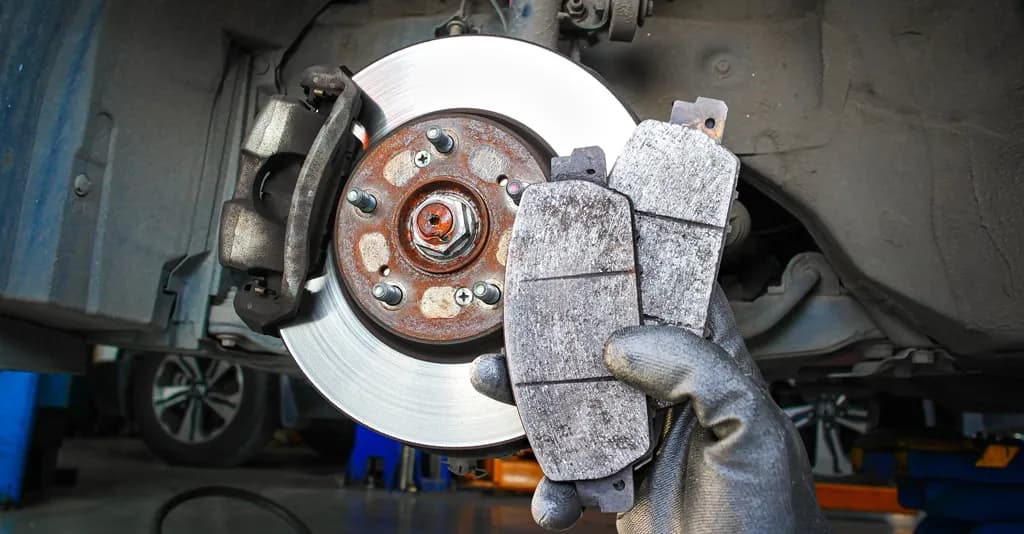
The Best Brake Pad Brands for Your GMC Vehicle
Among the many elements that require proper care in order to achieve the best out of a GMC car, the most important is the brake system. But at the center of that design is your brake pads. Selecting the correct brake pad for your GMC is important to consider as this will affect the braking […]