GMC Brake Noise Chart — What Each Sound Means
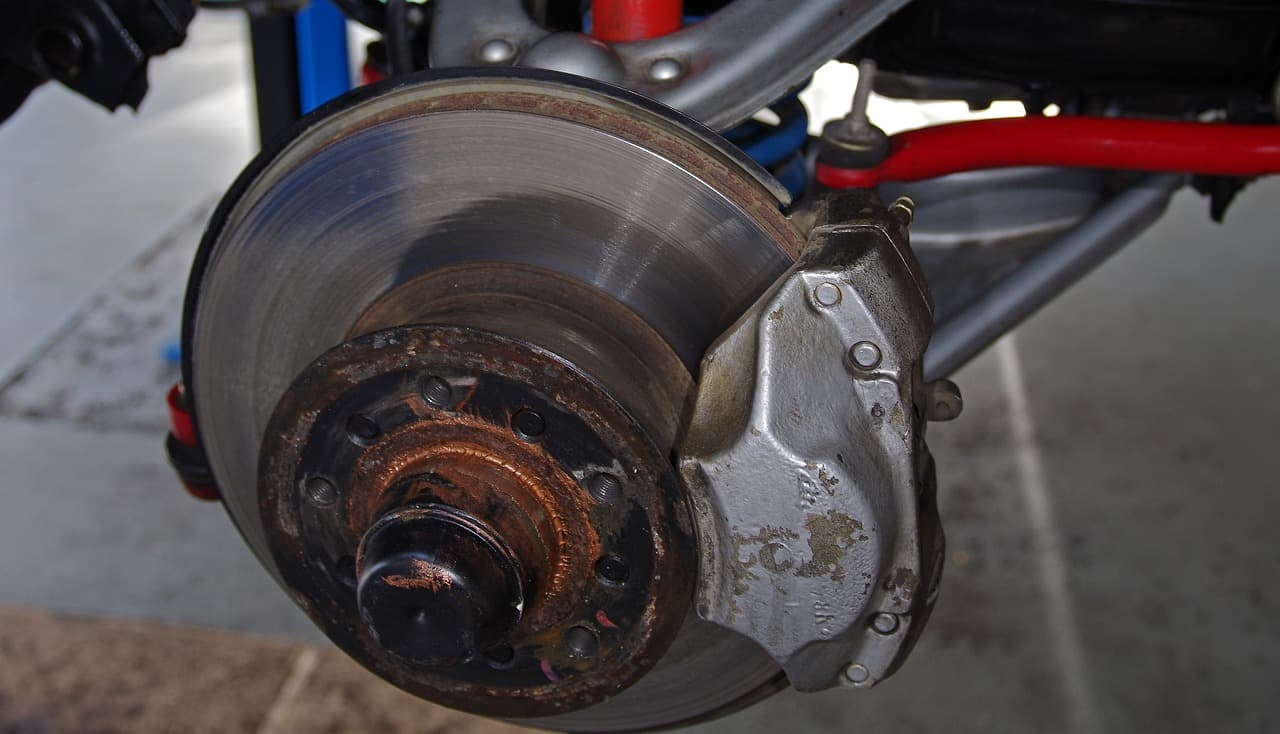
Brake noises are one of the most reliable early-warning signs your system gives you, often well before a dashboard light does. This chart matches common sounds to their most likely cause, so you know roughly what you're dealing with before a shop visit.
Quick-Reference Chart
| Sound | When It Happens | Likely Cause | Urgency |
|---|---|---|---|
| High-pitched squeal | Every time you brake | Wear indicator tab contacting the rotor, pads are due soon | Plan a pad check soon, not an emergency yet |
| Grinding, metal-on-metal | Every time you brake | Pads worn past the wear indicator, backing plate contacting rotor | High: get it inspected promptly, damage compounds quickly |
| Clicking or clunking | Over bumps, or when first applying the brake | Loose hardware, worn caliper bracket, or a loose heat shield | Moderate: have it inspected at your next opportunity |
| Grinding only when turning | While turning, may or may not involve braking | Often unrelated to brakes, commonly a wheel bearing | Moderate: still worth a proper diagnosis |
| Squeaking that fades as you drive | Mostly in the morning or after rain | Surface rust on rotors, usually normal and self-clears | Low: monitor, not usually a concern on its own |
| Rhythmic scraping tied to wheel rotation | Constant, speeds up with vehicle speed | A rock or debris caught in a caliper or shield, or a bent shield | Moderate: check for debris before assuming it's the pads |
| Groaning or humming under braking | Under harder braking | Glazed or contaminated pads/rotors | Moderate: often resolved with a pad/rotor service |
Why the "Urgency" Column Matters
Not every brake noise means you need to stop driving immediately, but it's easy to either over-panic or under-react. Grinding metal-on-metal is the one sound on this list that reflects active damage happening every time you brake. The backing plate is contacting the rotor directly, which both reduces stopping power and can score the rotor, turning a pad job into a pad-and-rotor job. Everything else on this chart is worth a look, but doesn't necessarily mean stop driving today.
When To See a Technician Regardless of the Sound
Skip the wait-and-see approach if a noise is paired with any of these:
- A soft, sinking, or unusually firm brake pedal
- The vehicle pulling to one side under braking
- Any dashboard brake warning light
- A noticeably longer stopping distance than usual
See our GMC Brake Warning Light & Message Chart if a light is involved alongside the noise. The combination usually narrows down the cause faster than either symptom alone.
Frequently Asked Questions
My brakes only squeal in reverse, is that different?
A squeal specific to reverse can point to a wear indicator positioned to only contact the rotor in that direction, or a specific pad design quirk. It's still worth treating as an early pad-wear signal rather than ignoring it.
Is it normal for brand new brake pads to squeak?
Some squeaking during a short break-in period after a pad replacement is common, especially with certain ceramic compounds. Persistent squealing well after break-in is worth a follow-up check.
Can cold weather cause brake noise that isn't a real problem?
Yes. Light surface rust that forms overnight, especially in humid or rainy climates, commonly causes a brief squeak or grind for the first few stops that clears up as the rust wears off. If it doesn't clear after normal driving, treat it as a real symptom.
Safety note: This guide is for general informational purposes. Brake systems are safety-critical — if you're unsure at any step, or the work requires specialized tools, have it inspected or completed by a qualified technician.
Related Guides
 Gmc Brakes
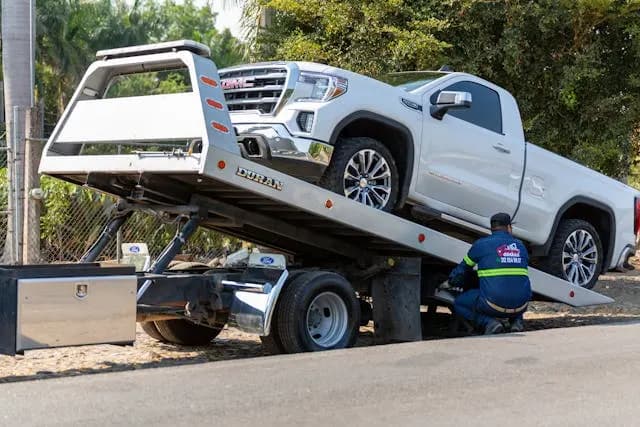
Gmc Brake Error and Solution
Understanding The GMC Brake Error: A Comprehensive Overview The GMC brake error represents a critical safety concern that manifests in various GMC vehicle models, particularly affecting the electronic brake control module (EBCM). This error typically indicates a malfunction in the brake system’s ele
 Gmc Brakes
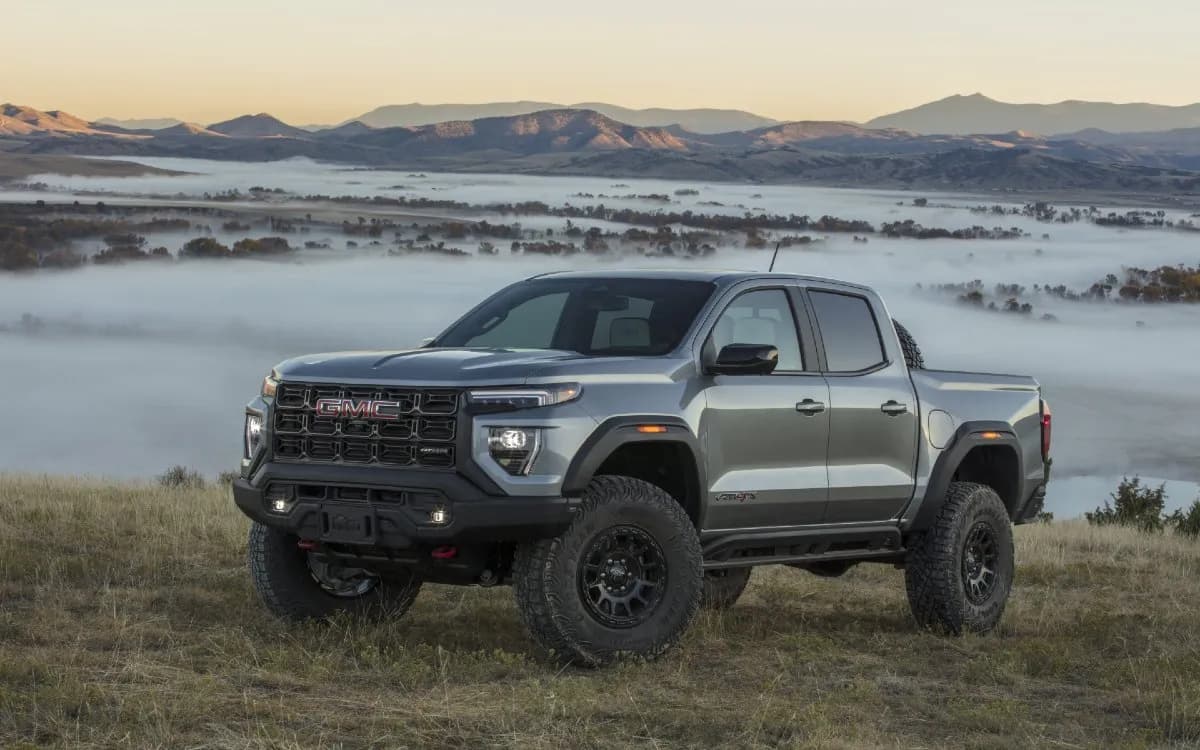
2024 GMC Canyon Faces Stop-Sale Order Amidst Headlight Concerns
This was quite a shocking revelation where General Motors has ordered for the total stop sale of some 2024 GMC Canyon vehicles. This has been done according to GM recall number N242468880 and communicated to NHTSA, with respect to the new and the used vehicles in the concerned 2024 GMC Canyon lots.
 Gmc Brakes
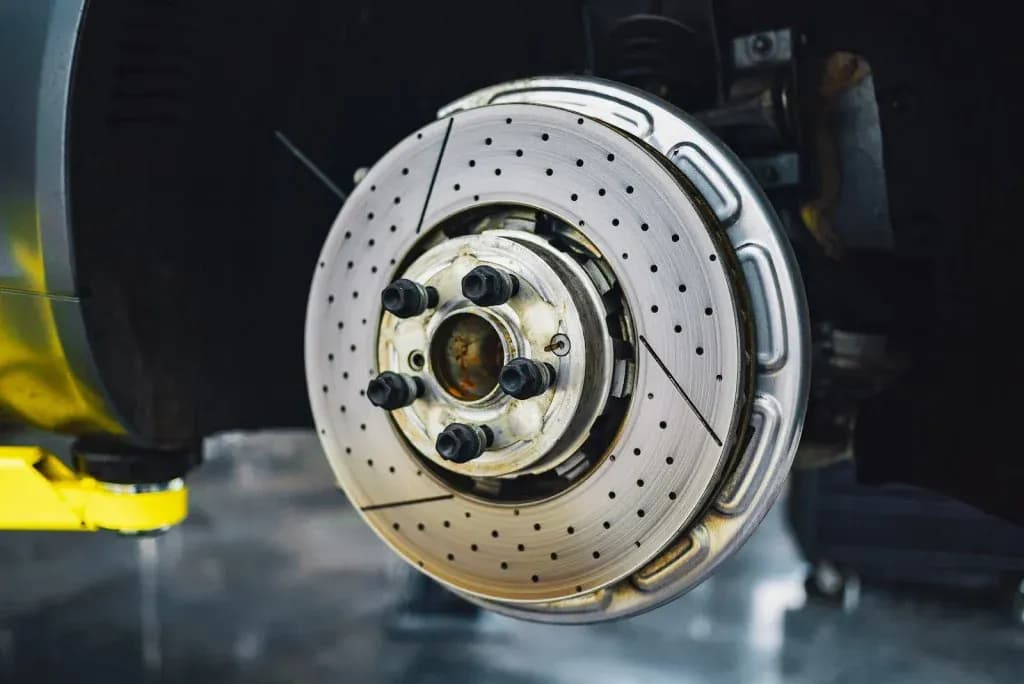
What Does GMC Lifetime Brake Service Really Mean For Your Vehicle?
If you drive a GMC vehicle, you may have heard about GMC lifetime brake service and wondered what exactly it covers. Who wouldn’t want a lifetime guarantee on their brake pad? But there’s a catch: not everything is as clear as it seems when it comes to this specific service. Now, let’s dig deeper in