The Difference Between GMC and Chevy
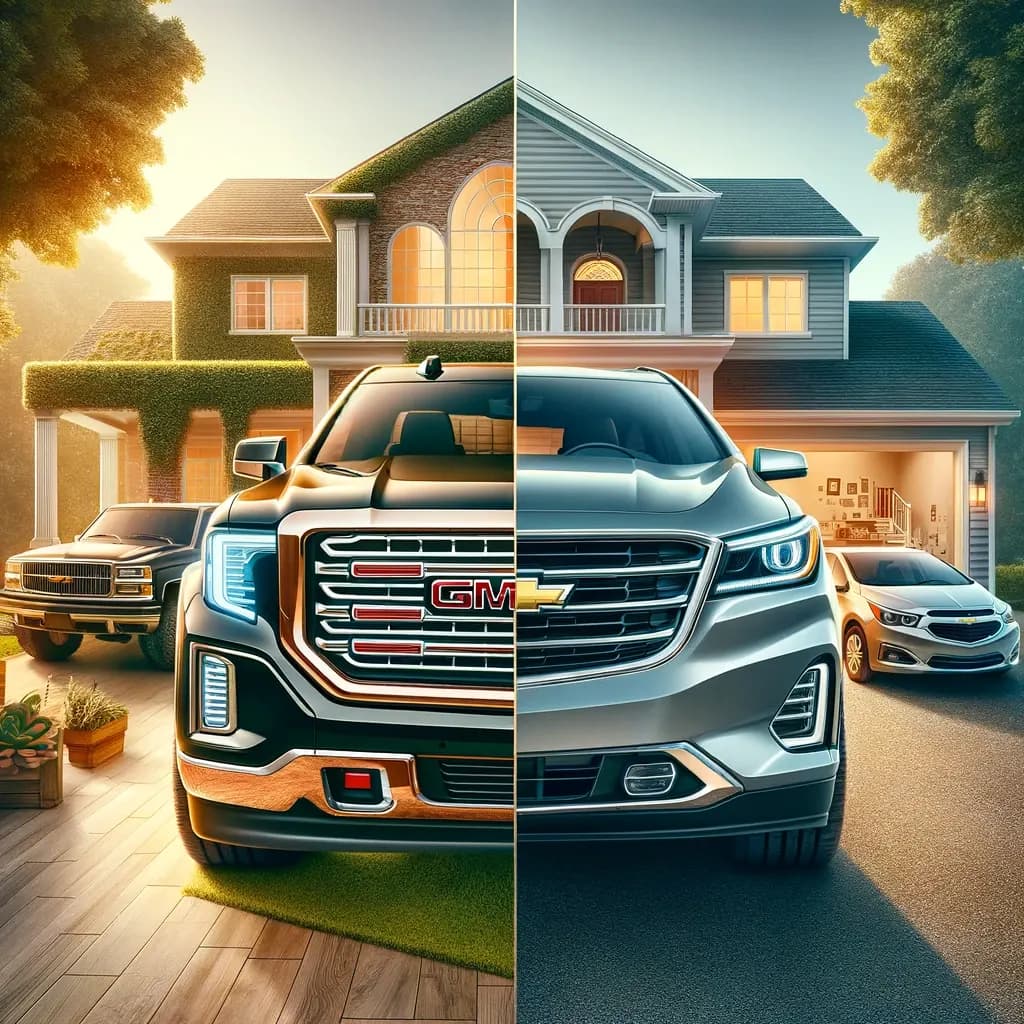
Understanding the difference between GMC and Chevy is crucial for anyone in the market for a new vehicle. Both brands are subsidiaries of General Motors (GM) and have a long-standing presence in the industry. Even so, they serve different market segments and carry distinct brand identities.
Historical Background
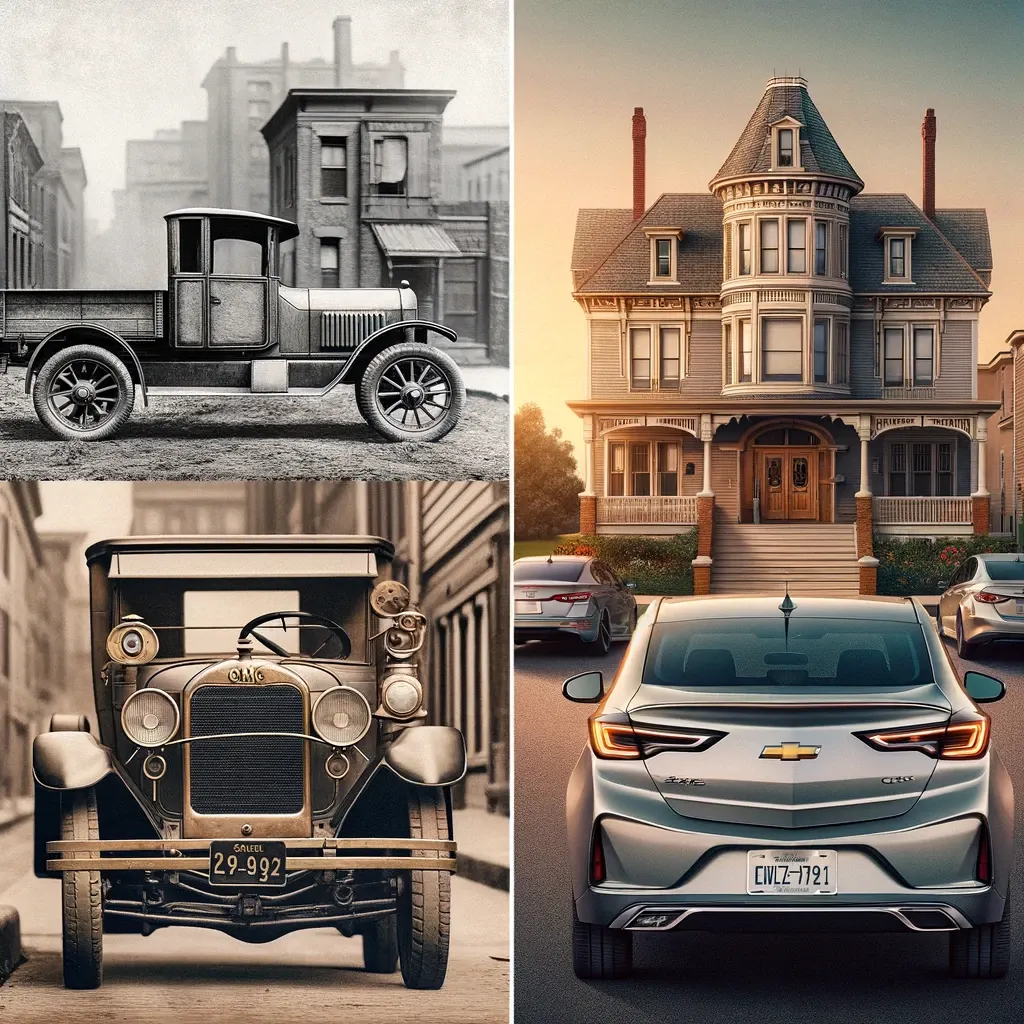
The difference between GMC and Chevy can be traced back to their origins. The GMC Truck Company was founded in 1911 with a focus on manufacturing trucks, buses, and military vehicles. Chevrolet, established by Louis Chevrolet and William C. Durant, initially aimed to challenge the dominance of the Ford Model T. This historical split has shaped both brands' trajectories and market priorities ever since.
Brand Positioning and Market Focus
A key aspect of the difference between GMC and Chevy is brand positioning. GMC is known as a higher-end brand with an emphasis on trucks and SUVs, catering to buyers who want vehicles that combine luxury with practicality. Chevy, on the other hand, offers a broader lineup including cars, trucks, and SUVs, and positions itself as an approachable brand that appeals to a wider range of buyers.
Design and Styling
Design philosophy also underscores the difference between GMC and Chevy. GMC vehicles tend to have a bold, confident appearance built around a larger grille that signals capability. Chevy vehicles, by comparison, maintain a stylish look while appealing to buyers who prioritize practicality and family-friendly design.
Performance and Capabilities
When it comes to performance, the difference between GMC and Chevy is often subtle but real. GMC models usually offer engine choices built to handle heavier towing tasks, making them well suited to heavy-duty work. Chevy models, while still capable, tend to prioritize fuel efficiency and everyday driving needs.
Interior and Features
Interior design and features further highlight the difference between GMC and Chevy. GMC interiors are crafted for a premium experience, with a focus on high-quality materials and advanced technology. Chevy interiors emphasize comfort and smart, functional design while staying available at a more budget-friendly price point.

Price Points
Price is a crucial factor in understanding the difference between GMC and Chevy. GMC is positioned as the premium brand, and that shows in pricing that tends to run higher than Chevy's. Chevrolet, meanwhile, offers more affordable choices, making it a popular option for a wider range of buyers.
Technology and Innovation
In terms of technology and innovation, the difference between GMC and Chevy is less about the technology itself and more about how it's packaged and presented. GMC vehicles frequently include advanced technology as standard, reinforcing their premium positioning. Chevy also offers similar technologies, but typically as optional add-ons or reserved for higher trim levels.
Safety Features
Safety features also play a role in the difference between GMC and Chevy. Both brands prioritize safety, though GMC tends to include a broader range of safety features as standard, which aligns with its position in the upscale market. Chevy also offers strong safety features, but there's more variation across different models and trims.

Market Performance and Consumer Perception
Market performance and consumer perception also reflect the difference between GMC and Chevy. GMC is frequently regarded as a brand with a touch of exclusivity, attracting buyers who want a combination of luxury and practicality. Chevy is known as a versatile, everyday brand that appeals to a broad range of consumers thanks to its affordability.
Environmental Initiatives
In recent years, environmental initiatives have become part of the difference between GMC and Chevy. Both brands are moving toward electrification, though with different strategies. GMC is building electric technology into its high-end models, such as the GMC Hummer EV. Chevy, meanwhile, is prioritizing accessible electric vehicles for a broader audience, as seen with the Chevy Bolt.
GMC vs. Chevy
| Feature | GMC | Chevy |
| Historical Focus | Commercial trucks, luxury | Affordable, mass-market vehicles |
| Design | Bold, aggressive | Practical, family-friendly |
| Performance | Higher power, towing capacity | Fuel efficiency, everyday use |
| Interior | Luxurious, advanced features | Functional, user-friendly |
| Price | Higher | More affordable |
| Technology | Advanced as standard | Optional or in higher trims |
| Safety Features | More advanced as standard | Varies across models |
| Market Perception | Exclusive, professional | Reliable, versatile |
| Environmental Initiatives | Premium electric models | Accessible electric vehicles |
Final Thought
The difference between GMC and Chevy comes down to their distinct approaches to serving the automotive market. GMC prides itself on being a premium brand offering luxury, performance, and advanced features. Chevy, meanwhile, offers a selection of affordable, practical, and dependable vehicles. Understanding these distinctions can help buyers make informed choices that fit their preferences and needs.
Whether you value a combination of comfort and power or prefer a budget-friendly, functional option, both GMC and Chevy offer vehicles that can meet a range of needs. The key is understanding the difference between GMC and Chevy and how it aligns with your personal or professional priorities.
FAQ
Is there a difference in towing capacity between GMC and Chevy trucks?
Yes. GMC trucks typically offer towing capacities that align with their reputation as professional-grade vehicles, while Chevy trucks strike a balance between towing capability and everyday functionality.
Do GMC and Chevy offer different levels of technology in their vehicles?
GMC vehicles usually come with more technology as a standard feature, reinforcing their premium status. Chevy tends to offer similar technologies, but more often as optional extras or on higher trim levels.
Are there any exclusive features in GMC vehicles not found in Chevy models?
GMC vehicles frequently come with exclusive trims and editions, such as the Denali lineup, which offers top-tier finishes and features not found on comparable Chevy models.
How does the fuel efficiency compare between GMC and Chevy SUVs?
Chevrolet SUVs tend to prioritize fuel efficiency for everyday use, while GMC models, with their larger engine options, may see slightly lower fuel efficiency in comparison.
Is the maintenance cost different for GMC and Chevy vehicles?
GMC vehicles can carry higher maintenance costs due to their premium parts and features, while maintaining a Chevy vehicle is generally more affordable.
Safety note: This guide is for general informational purposes. Brake systems are safety-critical — if you're unsure at any step, or the work requires specialized tools, have it inspected or completed by a qualified technician.
Related Guides
 Gmc Brakes
GMC Brake Noise Chart — What Each Sound Means
A quick-reference chart matching common GMC brake noises — squealing, grinding, clicking, and more — to their likely cause and how urgently to act.
 Gmc Brakes
Gmc Brake Error and Solution
Understanding The GMC Brake Error: A Comprehensive Overview The GMC brake error represents a critical safety concern that manifests in various GMC vehicle models, particularly affecting the electronic brake control module (EBCM). This error typically indicates a malfunction in the brake system’s ele
 Gmc Brakes
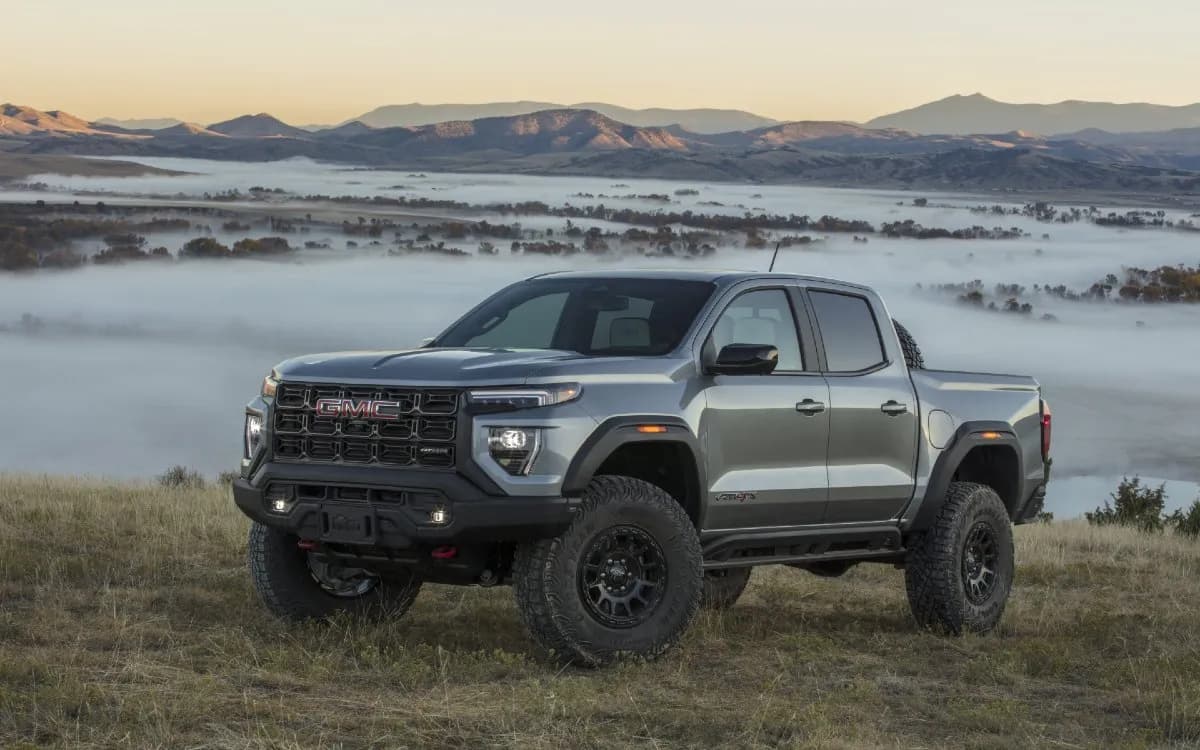
2024 GMC Canyon Faces Stop-Sale Order Amidst Headlight Concerns
This was quite a shocking revelation where General Motors has ordered for the total stop sale of some 2024 GMC Canyon vehicles. This has been done according to GM recall number N242468880 and communicated to NHTSA, with respect to the new and the used vehicles in the concerned 2024 GMC Canyon lots.