GMC Wheel Cylinders
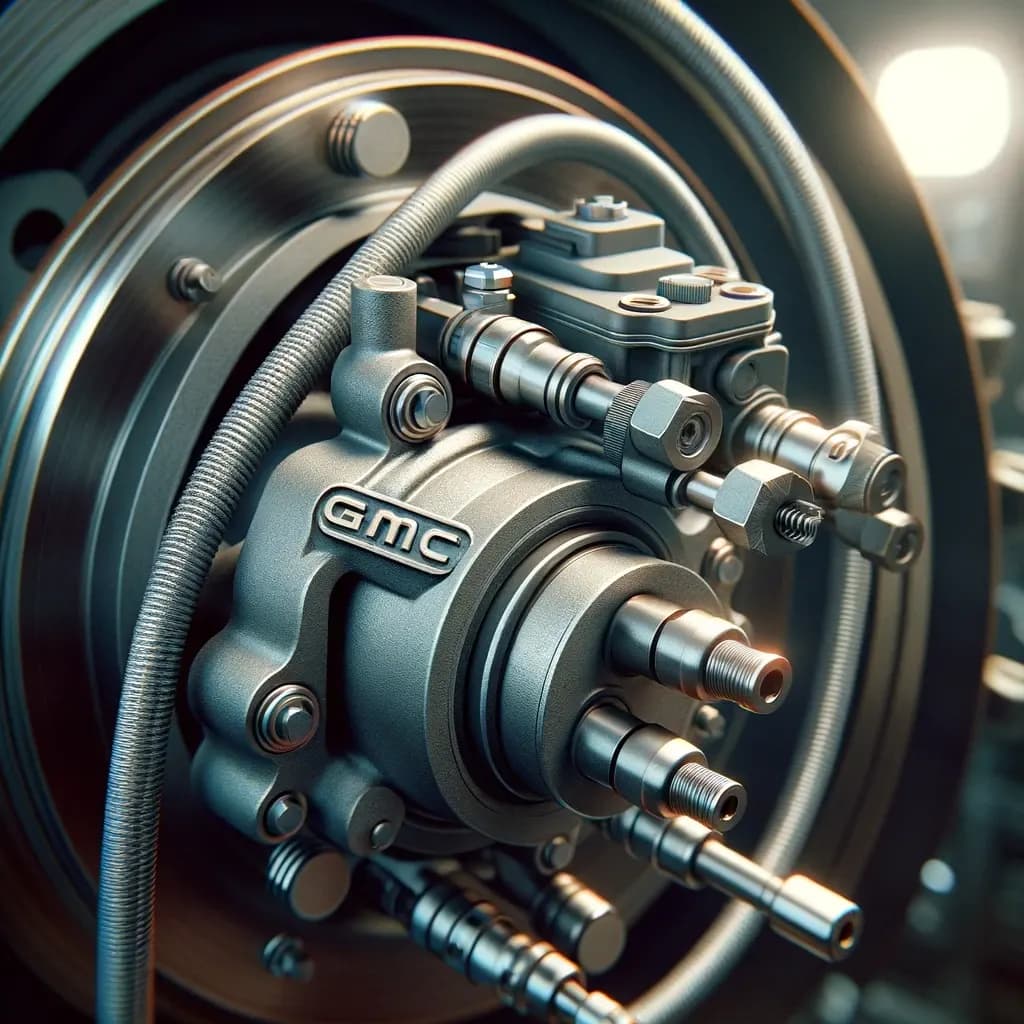
If you own a GMC with drum brakes, understanding how the wheel cylinders work can save you a repair bill down the road. Here's a straightforward look at what these parts do, how to spot trouble early, and what replacement actually involves.
What Are GMC Wheel Cylinders?
GMC wheel cylinders are a core part of your vehicle's braking system. They sit inside the drum brakes and do the job of turning hydraulic pressure into physical force. When you press the brake pedal, fluid gets pushed into these cylinders, which is what actually engages the brakes.
Their importance comes down to timing. They're the link between your foot on the pedal and the hydraulic system that slows the car down. Without cylinders in good shape, the whole braking system loses effectiveness, no matter how good the pads or shoes are.

The Role of GMC Wheel Cylinders in Your Braking System
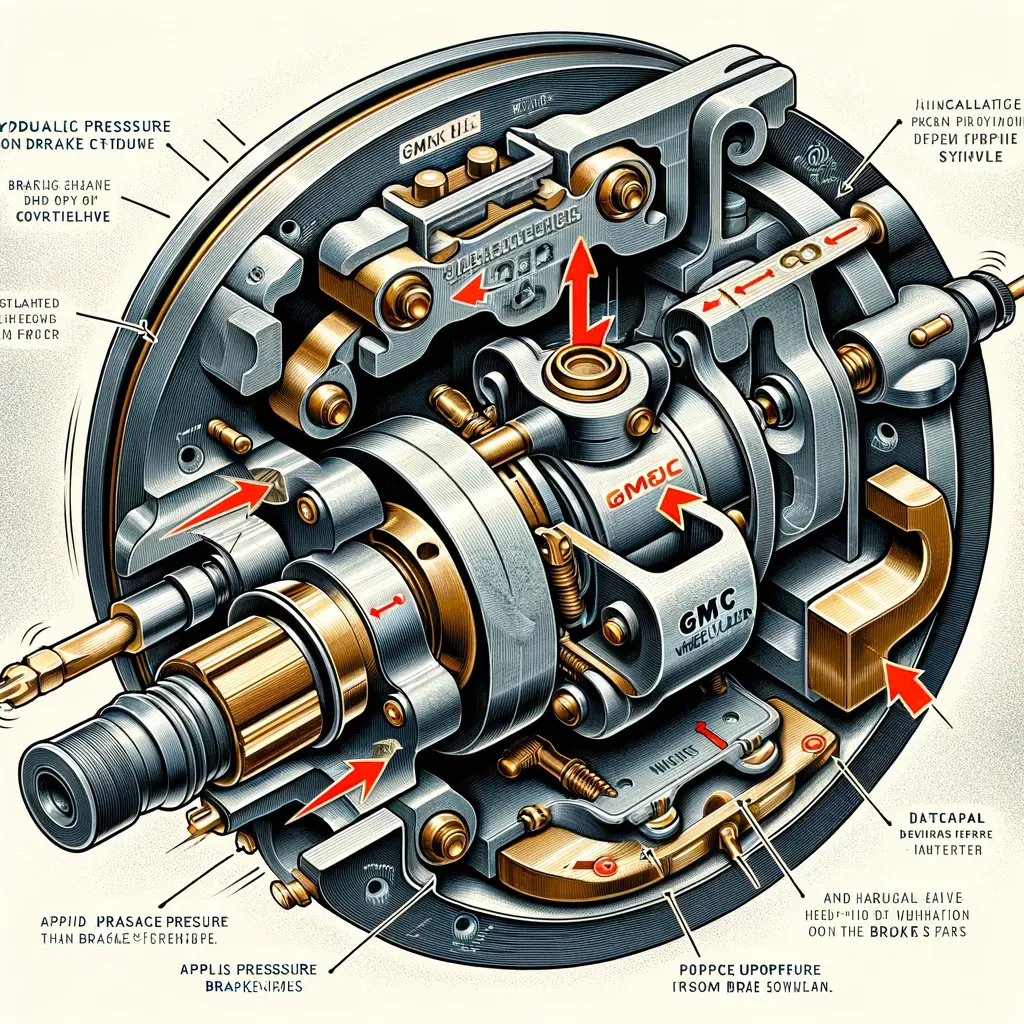
The main job of these components is to keep braking smooth and consistent. They convert pressure from the brake fluid into mechanical force, which then pushes the brake shoes against the drum to slow the wheel. Keeping them in working order is essential for reliable stopping power.
It's not just about raw stopping force, though. Even braking matters just as much. Picture one wheel applying more force than the others: the car would pull to one side, and that's especially dangerous at highway speeds. That's why well-maintained wheel cylinders matter for safe, predictable driving.

Signs of Failing GMC Wheel Cylinders
Catching a failing cylinder early can prevent a much bigger repair, or worse, a brake failure. Watch for these warning signs:
- Brake fluid leakage. This is usually the first clue. A puddle of fluid under the car or near a wheel means it's time to inspect the cylinders.
- Soft or spongy brake pedal. This happens when air gets into the brake lines or a cylinder can't build enough pressure.
- Uneven braking or pulling to one side. This often points to one cylinder not doing its job properly.
- Decreased braking efficiency. If stopping distances feel longer than usual, a cylinder problem could be to blame.
If you notice any of these signs, get the wheel cylinders checked out promptly. Ignoring them can lead to brake failure, which is a risk not worth taking.
Maintenance Tips for GMC Wheel Cylinders
Regular attention keeps these components working the way they should. A few habits go a long way:
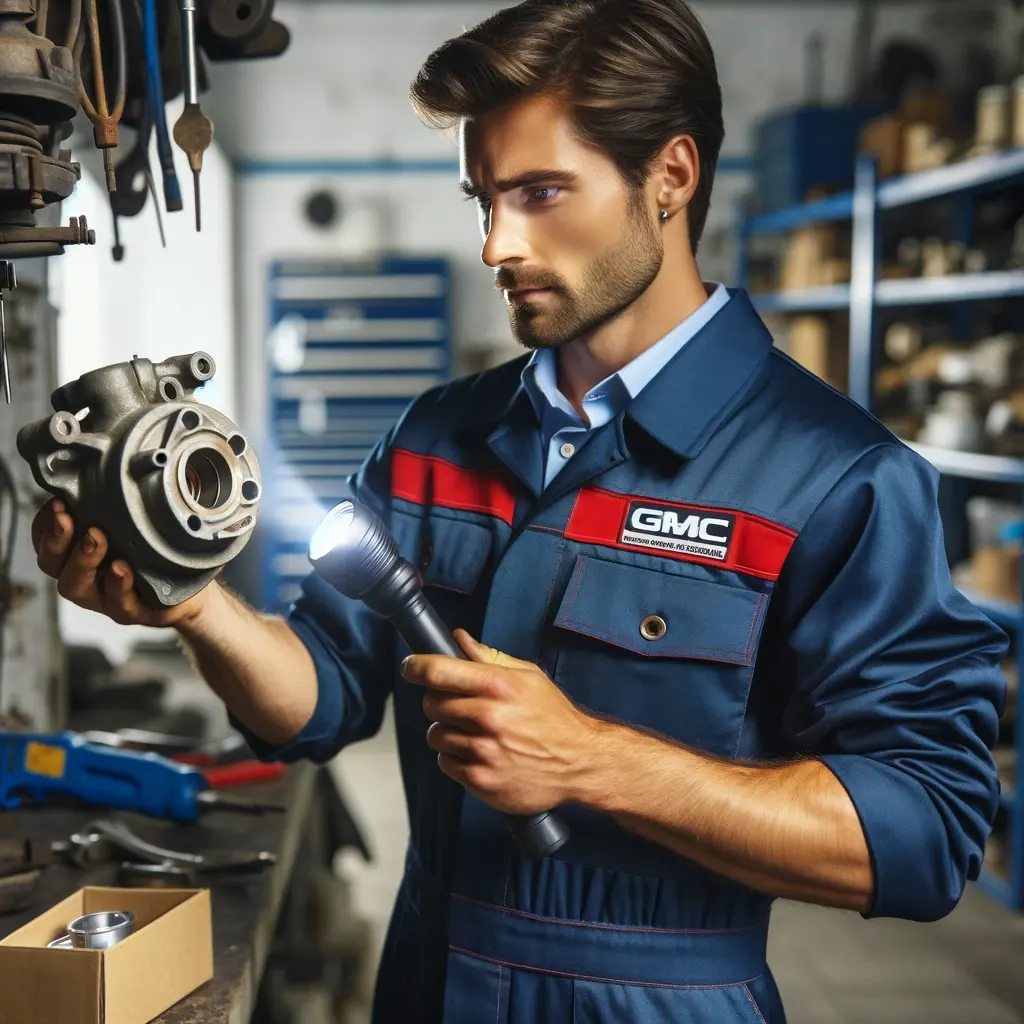
- Inspect regularly for leaks or damage. A simple visual check can often reveal a problem before it grows.
- Keep an eye on brake fluid level. A drop in fluid can point to a leak somewhere in the system, sometimes right at the cylinders.
- Get brakes professionally inspected periodically. A mechanic can catch issues that are easy to miss and confirm the whole braking system is in good shape.
Staying ahead of small problems is always cheaper and safer than dealing with a failure later.
Replacing GMC Wheel Cylinders
If a cylinder is beyond repair, replacing it is the only real option for keeping your brakes safe. You can hire a mechanic, or tackle it yourself if you're comfortable with the tools involved. Here's a quick rundown of the process:
- Safety first. Park on a level surface and set the parking brake before starting.
- Remove the wheel. This gives you access to the brake drum and cylinder.
- Take off the brake drum. This exposes the brake shoes and the wheel cylinder itself.
- Disconnect the brake line. Expect some fluid to leak out, and dispose of it properly.
- Remove the old cylinder. Unscrew it carefully from its mount.
- Install the new cylinder. Set it in place and reconnect everything securely.
- Bleed the brakes. This last step clears any trapped air and restores proper pedal feel.
GMC Wheel Cylinder Specifications
Wheel cylinder bore diameter and material vary by specific GMC model, trim, and brake package, not just by model year, so there isn't one universal size or price that applies across the whole GMC lineup. Look up the part for your exact year/make/model/VIN (a parts catalog or dealer parts counter will have the correct spec), rather than assuming a generic figure. Aftermarket wheel cylinders for common GMC models typically run in the $20-$70 range per unit, but always confirm the exact part fits your vehicle before buying.
Final Thought
GMC wheel cylinders are a small part with an outsized job in your braking system. Replacing and maintaining them on schedule goes a long way toward keeping your vehicle safe and predictable to stop. It's worth keeping tabs on their condition rather than waiting for a warning sign to force the issue.
Whether you're a seasoned mechanic or new to car maintenance, understanding this component helps keep your GMC in good working order. Stay safe on the road, and don't overlook the health of your braking system.
FAQ
How often should GMC Wheel Cylinders be replaced?
There's no fixed replacement schedule, but it's a good idea to have the cylinders inspected roughly every two years. If wear or damage shows up during that check, replace them then rather than waiting.
Can I replace GMC Wheel Cylinders myself?
Yes, if you have the right tools and a solid understanding of brake systems, this is a doable DIY job. That said, because braking safety is on the line, many owners still prefer to have a professional handle it or at least double-check the work.
What are the signs of failing GMC Wheel Cylinders?
Watch for a soft or spongy brake pedal, visible fluid leaks near the wheels, uneven braking, or a noticeable drop in stopping power. Any one of these is worth investigating.
Do GMC Wheel Cylinders vary by model?
Yes. Size and material can differ depending on the GMC model, trim level, and brake package, so it's important to match the part to your specific vehicle.
Is it expensive to replace GMC Wheel Cylinders?
Costs vary depending on the vehicle and labor rates, but it's generally a moderately priced repair, especially considering what's at stake if the brakes don't work properly.
Safety note: This guide is for general informational purposes. Brake systems are safety-critical — if you're unsure at any step, or the work requires specialized tools, have it inspected or completed by a qualified technician.
Related Guides
 Gmc Brakes
GMC Brake Noise Chart — What Each Sound Means
A quick-reference chart matching common GMC brake noises — squealing, grinding, clicking, and more — to their likely cause and how urgently to act.
 Gmc Brakes
Gmc Brake Error and Solution
Understanding The GMC Brake Error: A Comprehensive Overview The GMC brake error represents a critical safety concern that manifests in various GMC vehicle models, particularly affecting the electronic brake control module (EBCM). This error typically indicates a malfunction in the brake system’s ele
 Gmc Brakes
2024 GMC Canyon Faces Stop-Sale Order Amidst Headlight Concerns
This was quite a shocking revelation where General Motors has ordered for the total stop sale of some 2024 GMC Canyon vehicles. This has been done according to GM recall number N242468880 and communicated to NHTSA, with respect to the new and the used vehicles in the concerned 2024 GMC Canyon lots.