GMC Brake Overheating
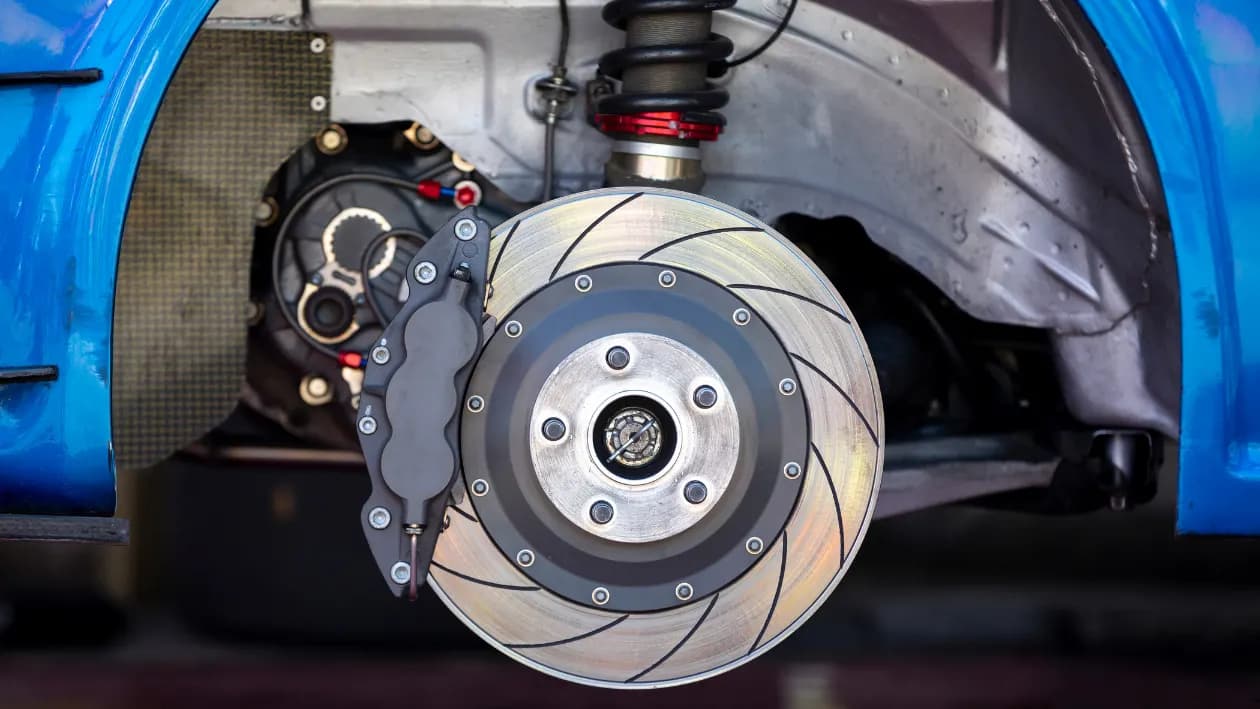
Brake overheating is one of those problems that sneaks up on GMC owners, often after a long downhill run or a lot of hard stops in traffic. It's not something to shrug off. Once your brakes get too hot, stopping power drops fast, and that's a real safety concern. Here's what actually causes GMC brake overheating and what you can do about it.
GMC Brake Overheating
GMC brake overheating happens when your brakes generate more heat than the system can shed, usually from repeated hard use or extended friction. Picture a long descent where you're riding the brakes the whole way down. That kind of sustained pressure is a classic setup for the problem.
Your brakes work by turning motion into heat through friction between the pads and rotors. That's normal, and the system is built to handle it under everyday driving. But push it too far, whether through steep grades, heavy loads, or aggressive stop-and-go driving, and heat starts to build faster than it can escape. Once it outpaces the system's cooling capacity, you're dealing with overheated brakes.
The Signs of GMC Brake Overheating
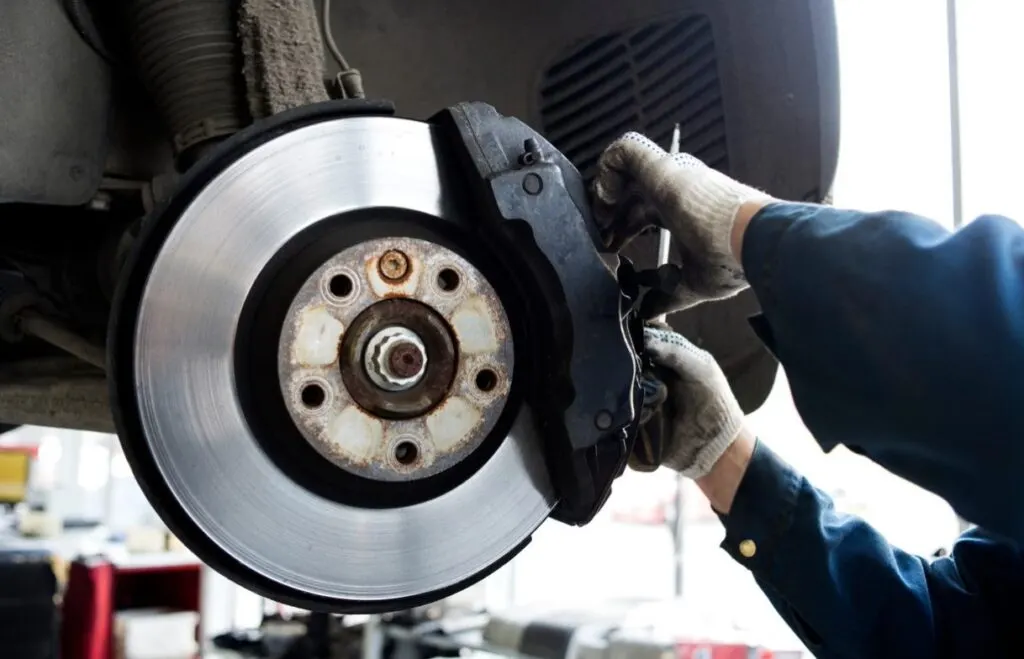
You'll usually notice a handful of warning signs before things get serious. Watch for these:
- Burning smell. A sharp, acrid odor after braking usually means the pads are running too hot.
- Smoke from the wheels. Visible smoke is a clear sign your brakes have already overheated.
- Reduced stopping power. If your GMC isn't slowing down the way it should, overheating may be the culprit. Extreme heat can boil the brake fluid, causing brake fade.
- Soft or spongy pedal. A pedal that feels mushy instead of firm suggests heat is affecting the hydraulic system.
- Warped rotors. Overheated rotors can warp, and you'll feel it as a pulsing sensation when you brake.
Why Does GMC Brake Overheating Happen?
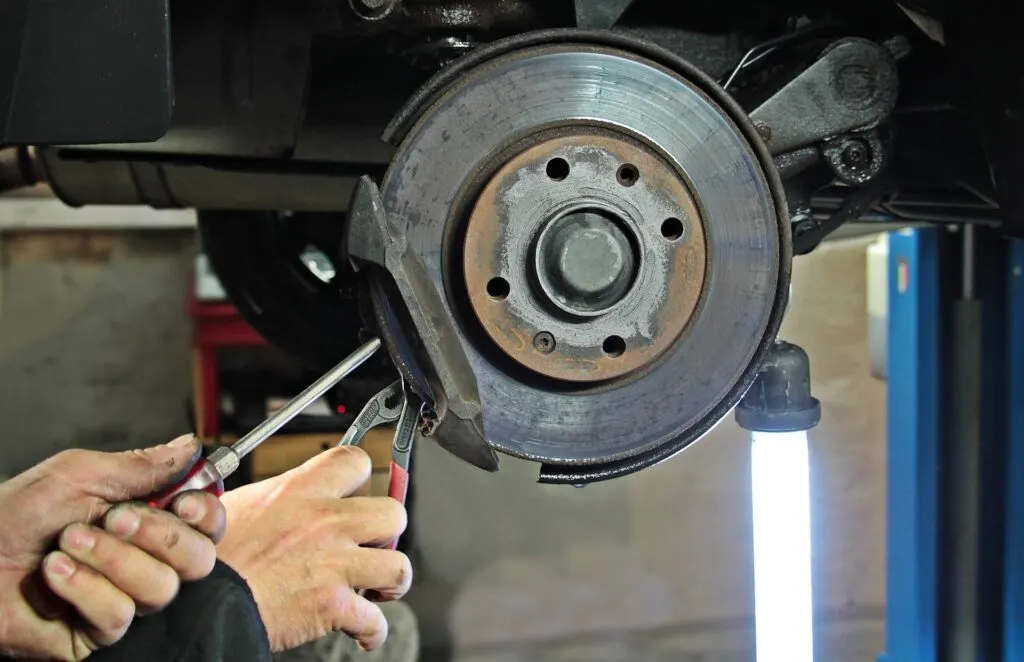
A few habits and conditions tend to cause GMC brake overheating more than others.
Heavy braking in stop-and-go traffic or on long hills builds heat quickly, especially if you're riding the brakes instead of letting off between stops. Worn pads and rotors make it worse too, since aging components generate more friction and shed heat less efficiently than fresh ones.
Aggressive habits like slamming on the brakes put extra stress on the whole system. Towing or hauling heavy loads raises the demand on your brakes even further, pushing temperatures higher than normal driving would. And using the wrong or low-quality brake parts on your GMC only adds to the risk.
Preventing GMC Brake Overheating
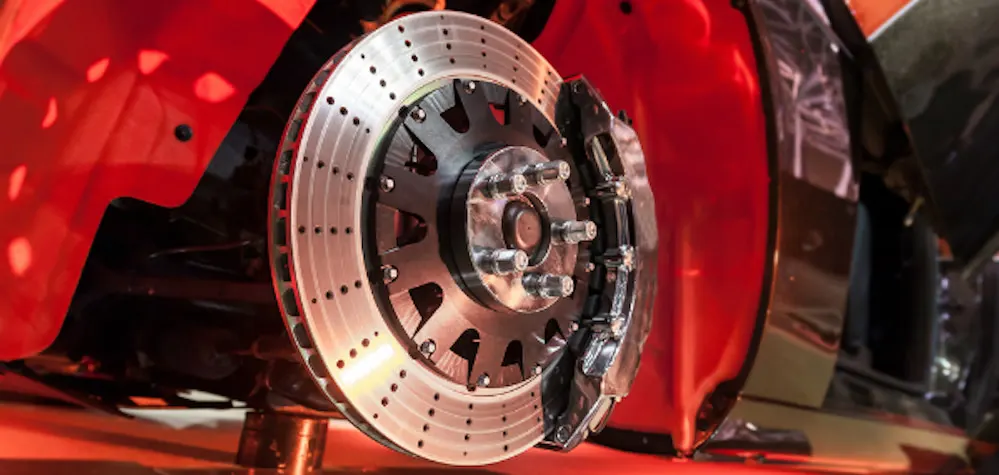
Prevention comes down to a few habits that keep heat from building up in the first place. Here's what actually helps:
- Stay on top of maintenance. Check your brake pads, rotors, and fluid regularly so worn parts don't make heat management worse.
- Brake smoothly. Anticipate stops early and let your vehicle slow down naturally before you need the brakes at all.
- Consider a brake upgrade. If you regularly push your GMC hard or drive in demanding conditions, high-performance brakes handle heat far better than stock components.
- Use engine braking. Downshifting on descents lets the engine help slow the vehicle, easing the load on your brakes.
- Look into brake cooling ducts. For vehicles under frequent heavy use, cooling ducts direct extra airflow to the brakes and help keep temperatures in check.
Fixing GMC Brake Overheating
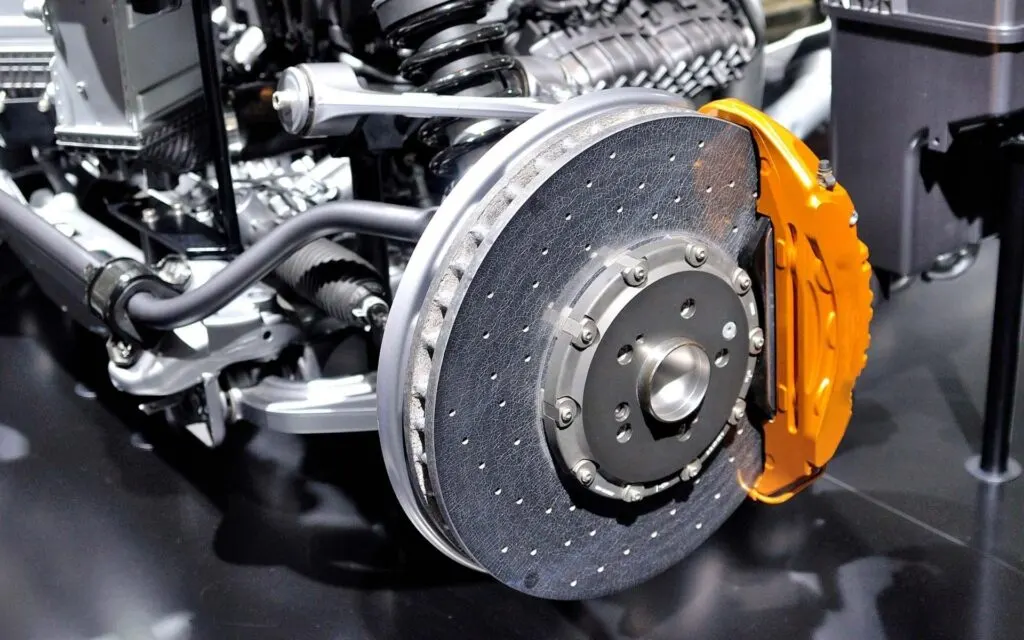
If you're already dealing with GMC brake overheating, the first move is to pull over safely and let the brakes cool down. Continuing to drive on overheated brakes risks further damage.
Once you've stopped, inspect the brakes for visible wear or damage. Glazed pads and warped rotors are common signs that heat has already taken a toll.
When you're not sure what you're looking at, get a mechanic's opinion. They can assess the actual condition of the system and tell you what needs attention.
If the brake fluid has reached boiling point, it needs to be replaced. Overheated fluid loses effectiveness and can eventually lead to brake failure. And if overheating keeps happening, it may be time to consider upgrading to a more heat-resistant braking system altogether.
Final Thought
GMC brake overheating isn't something to take lightly. Knowing the warning signs, the common causes, and the preventive steps helps keep your GMC safe and reliable on the road. Your brakes do a lot of work; give them the attention they need before a small issue turns into a costly repair.
FAQ
How often should I inspect my GMC's brakes to prevent overheating?
A good rule of thumb is once a year or every 12,000 miles, whichever comes first. If you frequently drive in demanding conditions, such as mountainous terrain or heavy stop-and-go traffic, check them more often.
Can driving in hilly areas lead to GMC brake overheating?
Yes. Frequent downhill driving means constant braking, which can push your GMC's brakes toward overheating. Using engine braking and taking periodic breaks on long descents helps prevent it.
Are aftermarket brake components better for preventing GMC brake overheating?
High-performance aftermarket brakes built specifically for heat dissipation can offer better resistance to overheating and stronger overall braking capability. Just make sure any parts you choose are verified compatible with your GMC model.
What's the first sign of GMC brake overheating I should look out for?
A noticeable burning smell coming from the brakes is usually the earliest warning, often followed by a drop in braking effectiveness. If you notice either, inspect your brakes as soon as possible.
Can GMC brake overheating cause long-term damage?
Yes. Left unaddressed, repeated overheating can warp rotors, wear down pads prematurely, and eventually lead to brake failure, all of which mean costlier repairs down the line.
Safety note: This guide is for general informational purposes. Brake systems are safety-critical — if you're unsure at any step, or the work requires specialized tools, have it inspected or completed by a qualified technician.
Related Guides
 Gmc Brakes
GMC Brake Noise Chart — What Each Sound Means
A quick-reference chart matching common GMC brake noises — squealing, grinding, clicking, and more — to their likely cause and how urgently to act.
 Gmc Brakes
Gmc Brake Error and Solution
Understanding The GMC Brake Error: A Comprehensive Overview The GMC brake error represents a critical safety concern that manifests in various GMC vehicle models, particularly affecting the electronic brake control module (EBCM). This error typically indicates a malfunction in the brake system’s ele
 Gmc Brakes
2024 GMC Canyon Faces Stop-Sale Order Amidst Headlight Concerns
This was quite a shocking revelation where General Motors has ordered for the total stop sale of some 2024 GMC Canyon vehicles. This has been done according to GM recall number N242468880 and communicated to NHTSA, with respect to the new and the used vehicles in the concerned 2024 GMC Canyon lots.