Is Your GMC Truck Spying on You? Senators Demand Investigation into Driver Tracking

If you own a GMC truck, it's worth paying attention to where your data goes. Two U.S. Senators have accused General Motors, the manufacturer of GMC trucks, of monitoring drivers' activities and sharing that information with third-party data companies, all without the drivers' knowledge or permission.
The claims, detailed in a letter from Senators Ron Wyden (D-Ore.) and Ed Markey (D-Mass.) to the Federal Trade Commission, describe a scenario where GMC trucks and other GM vehicles covertly monitor their owners and generate revenue from that data without transparency. The Senators are calling for an FTC investigation into GM, Honda and Hyundai to determine whether any laws were violated, and to hold the companies and their executives accountable if necessary.

What Data Are GMC Trucks Collecting and Sharing?
According to the Senators' letter, GMC trucks and other GM vehicles have been tracking and sharing two key types of driver data with data brokers:
Location data: GM has disclosed customer location data from GMC trucks and its other vehicles to at least two unnamed data broker companies. This data could allow third parties to reconstruct a detailed account of everywhere a GMC truck owner has driven.
Driving behavior data: GM, Honda and Hyundai have reportedly provided data companies with information on how drivers accelerate and brake, gathered from vehicles including GMC trucks. Insurers and other entities could use this data to build behavioral profiles of individual drivers.
The Senators claim the automakers shared customer information without asking for permission. They argue GM executives acknowledged during a meeting in 2021 that GMC truck owners could only stop location tracking by disabling their vehicle's internet connection, which would also mean losing access to navigation and emergency help.

GM Responds to GMC Truck Tracking Accusations
A GM spokesperson said sharing anonymized location data from GMC trucks and other vehicles with third parties is standard industry practice aimed at improving city infrastructure and road safety. The company also stated it does not use deceptive tactics to enroll GMC truck owners in data-sharing programs.
The spokesperson also confirmed GM shared GMC truck driver data with insurance companies to generate insurance quotes, and maintained that this was done with customer consent. GM said it ended the insurance data-sharing program in June 2024.
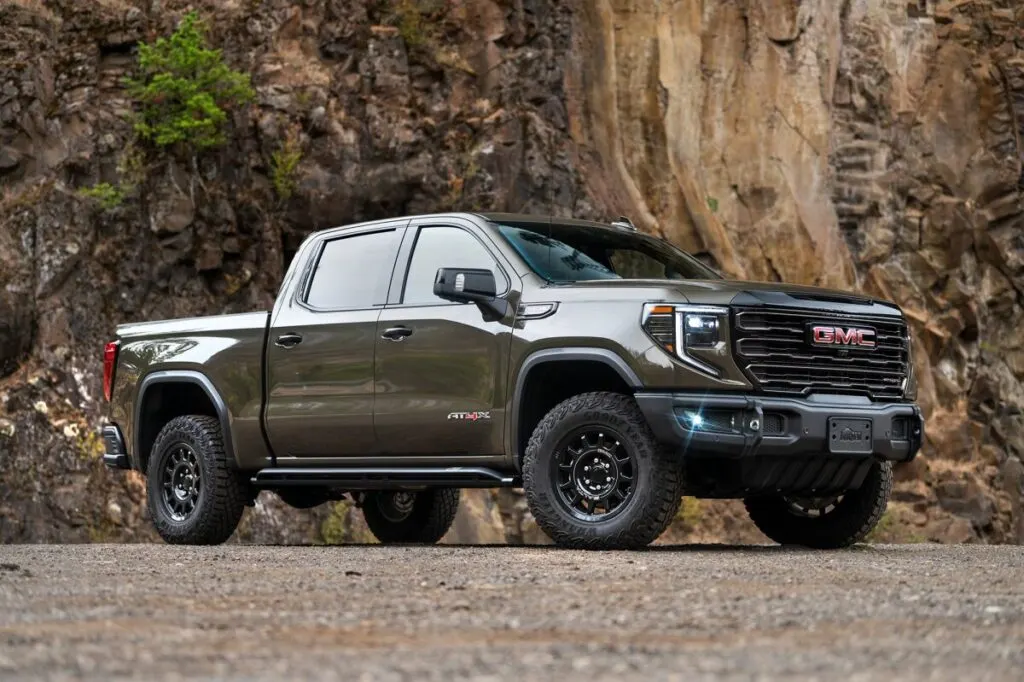
Risks of GMC Trucks and Other Connected Cars
These revelations about GMC trucks highlight growing privacy concerns tied to internet-connected vehicles. As vehicles evolve into rolling data hubs, they collect information about daily routines and whereabouts. Automakers and data companies increasingly treat this data as a revenue source.
Without strong privacy safeguards and transparency rules, drivers are often left uninformed about what type of data their vehicles collect and who can access it. That lack of clarity raises the risk of misuse or unauthorized access by cybercriminals. Location data is especially sensitive, since it can reveal patterns about a person's daily life and relationships.
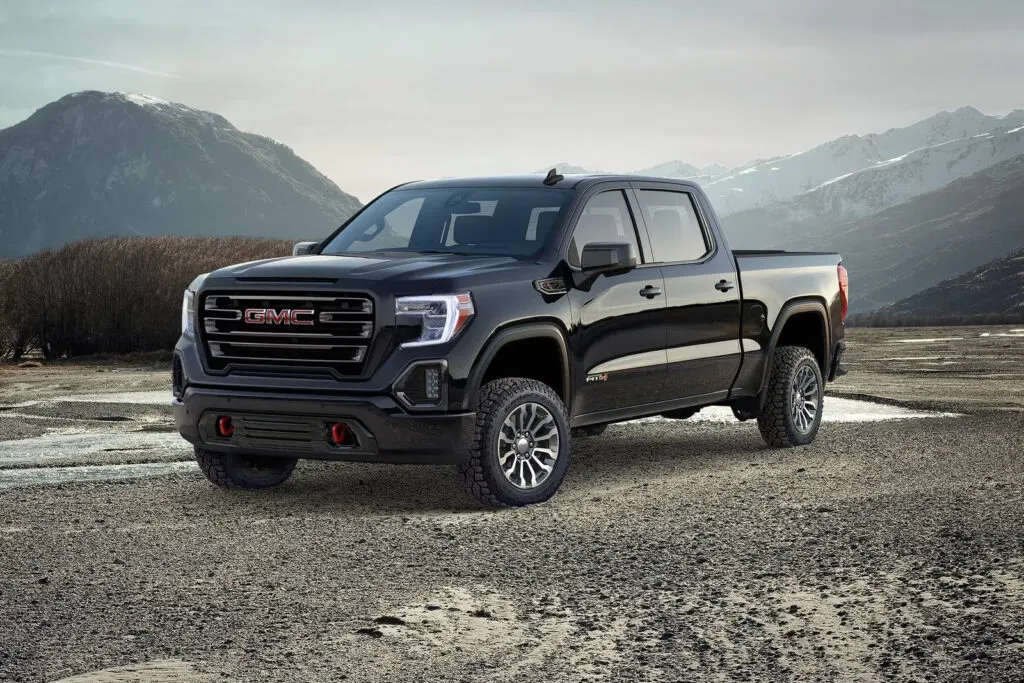
What's Next for Privacy Policies on GMC Trucks?
The Federal Trade Commission (FTC) needs to investigate the allegations made by the Senators and take action against automakers and data companies if any laws were violated. Establishing regulations that require informed consent before vehicle data is collected and shared is a crucial next step.
As connectivity features become more common in vehicles, automakers like General Motors should prioritize privacy by design. Owners of GMC trucks deserve clear information and control over their data, not covert surveillance.
Policymakers should also consider whether certain types of vehicle data, such as location details, are too sensitive to be used by manufacturers without oversight. An ongoing conversation about what level of privacy drivers can expect in the era of connected cars is essential.

Final Thought
In the meantime, drivers of GMC trucks and other vehicles should review their vehicle's privacy settings and check for any data-sharing functions they may have unknowingly agreed to. Opting out of data collection might require disabling certain connectivity features, but that trade-off could be worthwhile for safeguarding privacy.
Automakers that profit from monetizing driver data without knowledge or consent need to stop the practice. Vehicles shouldn't double as surveillance tools for profit. The Senators' request for an FTC inquiry could accelerate the broader conversation about privacy in the connected car era.
Safety note: This guide is for general informational purposes. Brake systems are safety-critical — if you're unsure at any step, or the work requires specialized tools, have it inspected or completed by a qualified technician.
Related Guides
 Gmc Brakes
GMC Brake Noise Chart — What Each Sound Means
A quick-reference chart matching common GMC brake noises — squealing, grinding, clicking, and more — to their likely cause and how urgently to act.
 Gmc Brakes
Gmc Brake Error and Solution
Understanding The GMC Brake Error: A Comprehensive Overview The GMC brake error represents a critical safety concern that manifests in various GMC vehicle models, particularly affecting the electronic brake control module (EBCM). This error typically indicates a malfunction in the brake system’s ele
 Gmc Brakes
2024 GMC Canyon Faces Stop-Sale Order Amidst Headlight Concerns
This was quite a shocking revelation where General Motors has ordered for the total stop sale of some 2024 GMC Canyon vehicles. This has been done according to GM recall number N242468880 and communicated to NHTSA, with respect to the new and the used vehicles in the concerned 2024 GMC Canyon lots.