GMC Yukon Trailer Brake Troubleshooting
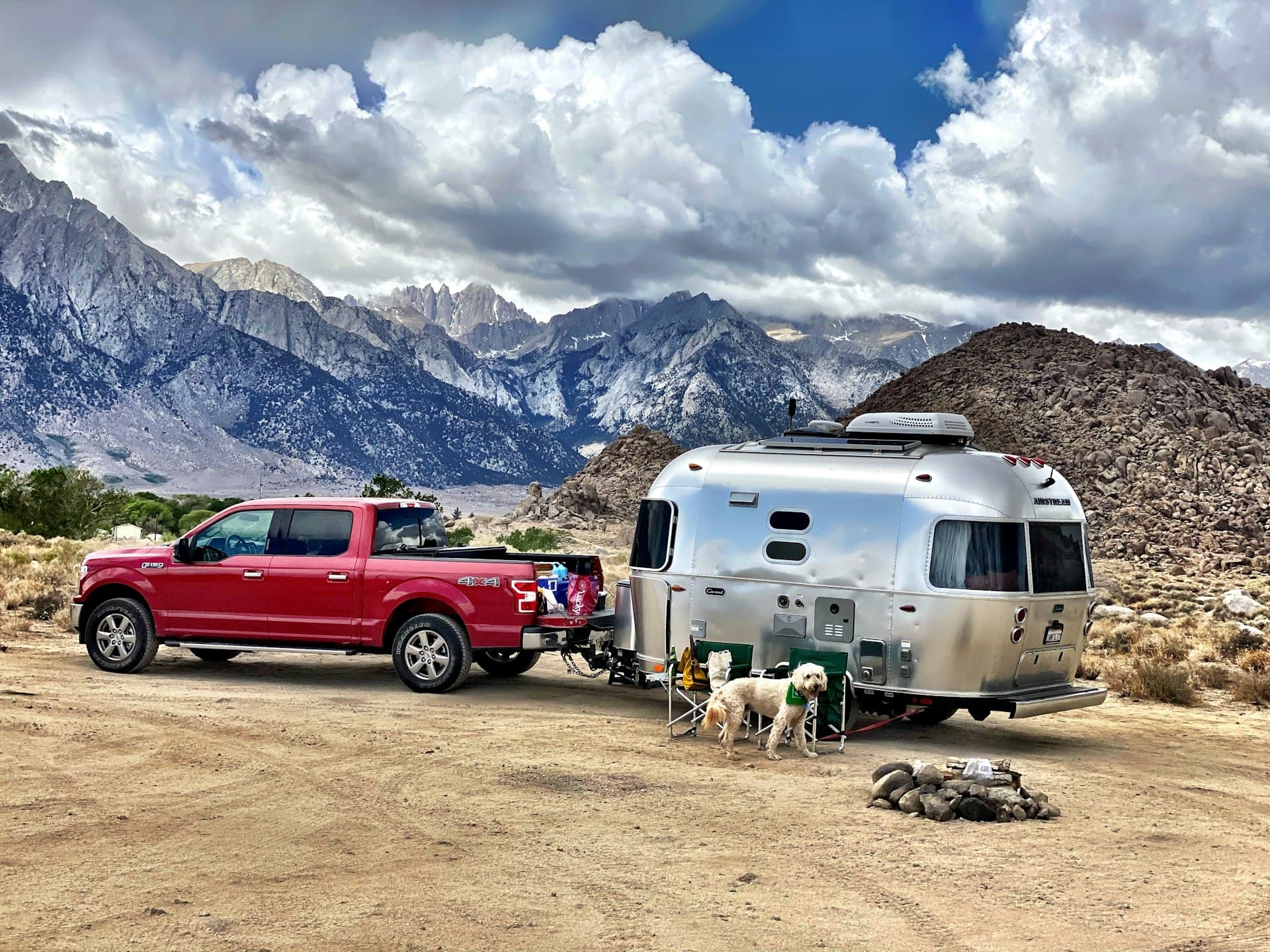
When a Yukon's trailer brakes stop working, feel weak, or grab too hard, the cause is almost always one of a few things: a corroded or loose connection at the 7-way plug, a blown fuse feeding the brake controller, a gain or setting that no longer matches the trailer, or worn electromagnets and brake shoes on the trailer axle itself. Working through those in order, rather than guessing, is usually the fastest way to a fix.
No Trailer Brakes At All
If the trailer brakes aren't doing anything at all when the Yukon's brake pedal is applied, start with the physical connection before assuming a part has failed. The 7-way connector between the truck and trailer is exposed to road spray, salt, and moisture on every trip, and it's the single most common point of failure in the system. Unplug it and look for corrosion on the pins, bent or pushed-in terminals, or grime preventing a clean contact. A dose of electrical contact cleaner and a few minutes of attention here resolves more "dead" trailer brakes than any other single fix.
If the connector looks clean, the next stop is the fuse box. The Yukon's integrated trailer brake controller draws power through its own dedicated fuse, and a blown fuse will take the whole system down without necessarily lighting up a dash warning right away. Check your owner's manual for the fuse box diagram and the correct fuse for the trailer brake controller circuit, and confirm it hasn't blown before moving on to anything more involved. A fuse that blows repeatedly points to a short downstream, which is worth having diagnosed rather than just replacing the fuse again.
From there, the fault is usually on the trailer side. A bad ground at the trailer frame is a frequent culprit: the brake magnets need a clean, bare-metal ground to complete the circuit, and rust or paint under the ground strap can quietly break that connection even though everything looks plugged in correctly. If the ground checks out, the magnets themselves may have failed, or the wiring running to them may be cut, chafed, or disconnected along the trailer frame.
Weak or Inconsistent Braking
Weak trailer brakes, where the trailer is contributing some stopping power but noticeably less than it should, point toward a slightly different set of causes than a total no-brake condition. The controller's gain setting is the first thing to check. Gain controls how much power the controller sends to the trailer brakes for a given amount of pedal pressure, and if it's set too low for the trailer's weight, the brakes will feel soft even though everything is technically working. For guidance on finding the right starting point and adjusting from there, see how to use a GMC trailer brake controller.
Weak braking can also be mechanical. Brake shoes that have worn down, or that were never adjusted correctly after a service, won't press against the drum with full force even when the magnet engages properly, so it's worth ruling that out alongside any electrical checks.
Inconsistent braking, where the trailer grabs hard sometimes and barely at all other times, usually comes back to a connection issue rather than a controller or mechanical problem. A loose ground or a partially corroded pin in the 7-way connector can behave fine most of the time and then drop out over bumps or vibration. This kind of intermittent fault is harder to chase down because it may not be present when you're looking for it, so it helps to wiggle the harness and connector by hand while a second person watches for the trailer brake lamp or feels for brake engagement.
Trailer Brakes Locking Up
Brakes that lock up or grab too aggressively are usually the opposite problem from weak brakes: too much power reaching the magnets, or a mechanical issue preventing them from releasing. A gain setting that's too high for the trailer is the most common cause, and it's worth backing it down and retesting in a controlled area before assuming something is broken. This is especially common after switching to a lighter trailer, or hooking up a trailer for the first time without adjusting the controller.
A magnet that's sticking rather than releasing cleanly can also cause one wheel or one side of the trailer to lock up while the others behave normally. That's a mechanical fault at the brake assembly rather than something that can be tuned out through the controller, and it typically means the magnet needs to be inspected and likely replaced. Shoes that have been over-adjusted, sitting too close to the drum, can produce a similar symptom even with a correctly set gain.
Where to Start Diagnosing
Given how many of these issues trace back to the connector, the general order worth working through is: inspect and clean the 7-way connection first, confirm the fuse is intact, then move to the controller's gain setting, and only after that start looking at the trailer's own wiring, grounds, magnets, and brake shoes. This mirrors how the causes are ranked by likelihood, and it avoids pulling a trailer's brake drums apart before ruling out a five-minute fix at the plug.
A multimeter is useful once the obvious visual checks are done. With the trailer connected and the controller's manual override engaged, checking for voltage at the brake magnets on the trailer end of the harness narrows down whether the problem is upstream (truck side) or downstream (trailer side) of the connector. If the Yukon is showing a dash message related to trailer brakes rather than a straightforward performance issue, see Service Trailer Brake System error message on GMC for what that warning typically means. And if the pedal itself feels different or a "Reduced Braking Available" message has come on independent of towing, that's a separate issue worth checking against what the Reduced Braking Available message means.
Frequently Asked Questions
Why do my Yukon's trailer brakes work sometimes but not others?
Intermittent trailer brakes almost always point to a connection problem rather than a failed part. A partially corroded pin, a loose ground, or a chafed harness wire can make contact well enough most of the time and then drop out under vibration. Start by cleaning and firmly reseating the 7-way connector, then check the ground point at the trailer frame before assuming the controller or magnets have failed.
Can a blown fuse cause trailer brakes to stop working without any warning light?
Yes. The trailer brake controller draws power through a dedicated fuse, and losing it can take the whole trailer brake circuit down without necessarily triggering a separate dash warning. Check the fuse box diagram in the owner's manual and confirm the correct fuse is intact any time trailer brakes go from working to completely dead.
How do I know if the problem is the truck's controller or the trailer's brakes?
Testing for voltage at the trailer end of the 7-way connection, with the controller's manual override engaged, is the most reliable way to split the system in half. Voltage present at the connector but no trailer response points to the trailer side, most likely the magnets, wiring, or ground. No voltage at all points upstream, to the truck's fuse, wiring, or controller.
Is it normal for trailer brakes to need gain adjustments between trips?
It can be. Gain is tuned to the weight and behavior of a specific trailer, so towing a different trailer, adding or removing cargo, or changing road conditions can call for a different setting. If brakes feel weak or grabby right after hooking up a trailer you haven't towed with recently, checking gain before assuming something has failed is a reasonable first step.
Safety note: This guide is for general informational purposes. Brake systems are safety-critical — if you're unsure at any step, or the work requires specialized tools, have it inspected or completed by a qualified technician.
Related Guides
 Yukon
YukonGMC Yukon Parking Brake Reset After Pad Replacement
Yukons built with an electronic parking brake need that system put into service mode before the rear pads come off, then reset once the new pads are in. Here's how the process works and what to check if it doesn't reset cleanly.
 Yukon
YukonGMC Yukon "Reduced Braking Available" Message — What It Means
A Reduced Braking Available message on a GMC Yukon means the brake system has dropped out of its normal power-assist mode. Here's what typically causes it and what to check.
 Sierra
GMC Sierra Trailer Brake Gain Settings — 1500 vs 2500
The gain setting on a GMC Sierra's integrated trailer brake controller determines how firmly the trailer's brakes apply relative to the truck's, and GM's own procedure calls for setting it by test drive rather than by a preset number. Because a 2500 is typically hitched to heavier, differently loaded trailers than a 1500, the two trucks often land on different gain numbers even though the adjustment scale and test method are identical.