GMC ABS Brake Lights On – Solved 2024
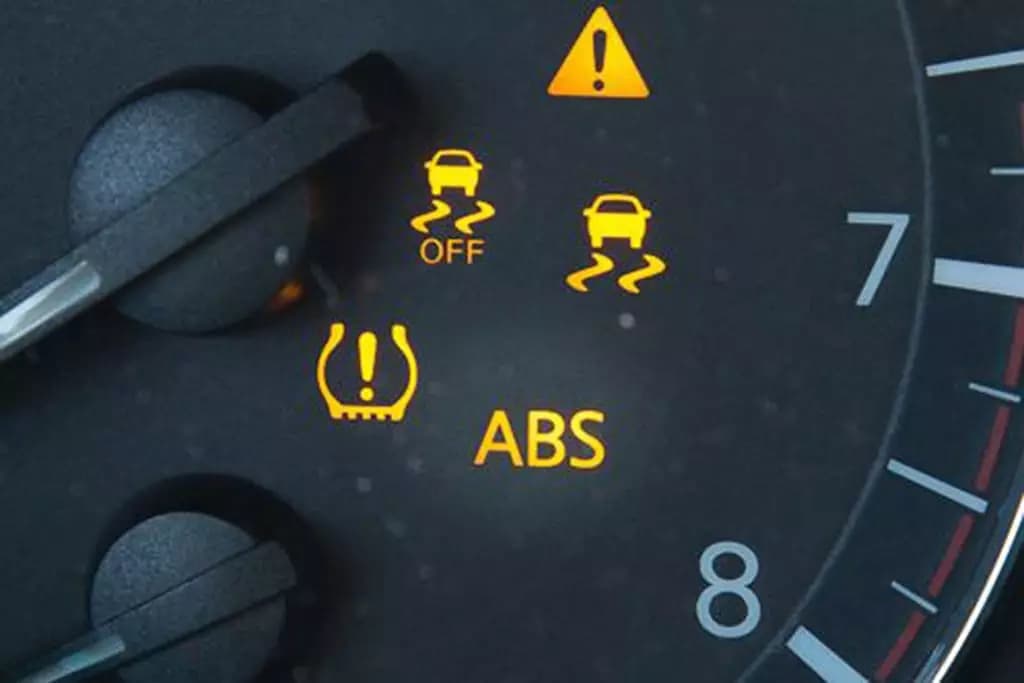
A GMC ABS Brake Lights On warning that flashes or stays lit almost always points to a specific fault in the anti-lock braking system, most often a failed wheel speed sensor. Knowing what usually causes it, how a shop diagnoses it, and what the repair costs helps owners react calmly instead of guessing at the problem.
What Triggers the ABS and Brake Warning Lights
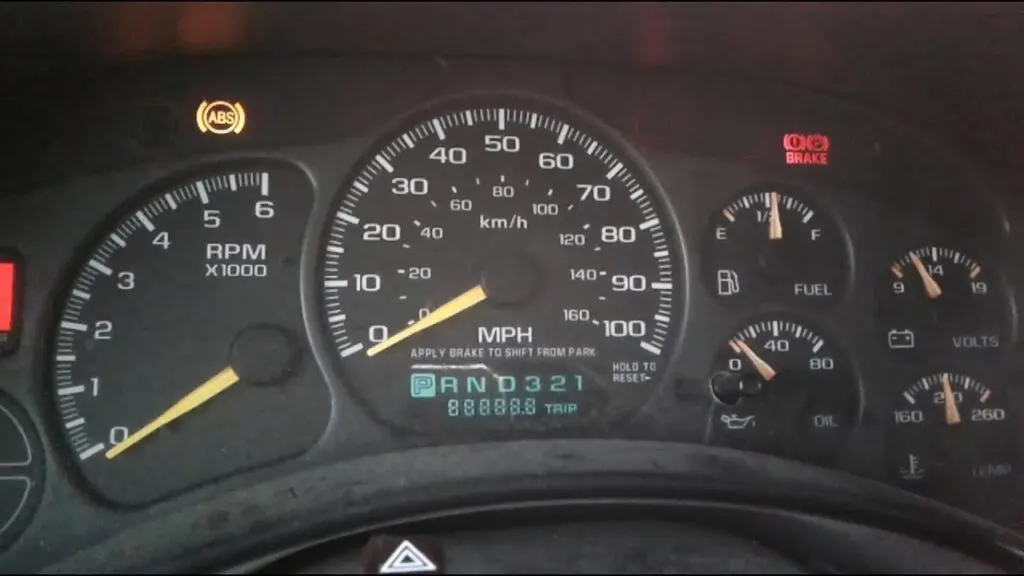
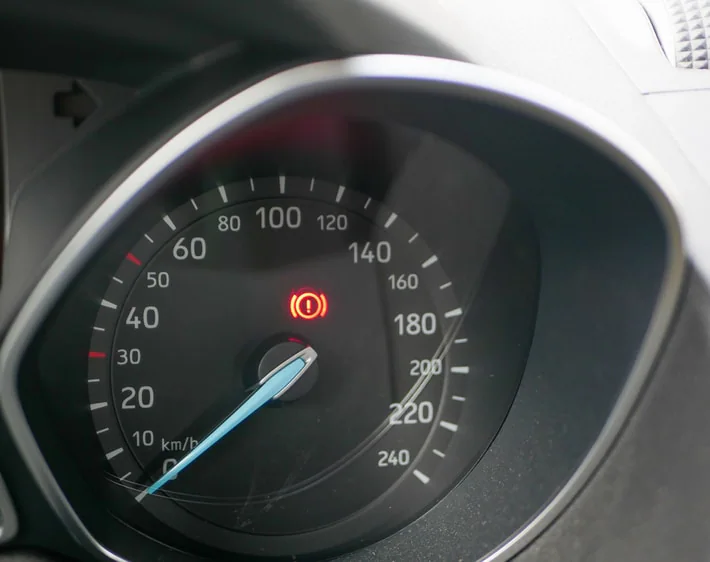
A flashing or steadily lit ABS and brake warning light is a common early sign of a wheel speed sensor fault. Many drivers first notice the lights flashing every time they press the brake pedal, rather than staying on constantly from startup.
The warning can appear suddenly during a normal drive rather than building up gradually, which catches many owners off guard. Regular braking still works in most cases, but the anti-lock function is disabled until the fault is cleared.
How a Shop Diagnoses the Issue
A technician connects a scan tool to pull ABS-specific fault codes, which typically narrow the problem down to one wheel speed sensor rather than the whole system. This diagnostic step usually takes well under an hour once the vehicle is on a lift.
Faulty sensors often trigger a code tied to a specific wheel. A visual check for damaged wiring or corrosion at the connector generally confirms the diagnosis before any parts get ordered.
Repair Cost and Timeline
A faulty ABS wheel speed sensor is usually a straightforward fix once it's identified, and most shops can complete the job within a day or two of ordering the part. Total repair costs for a single sensor replacement generally land in the $300 to $500 range, covering both parts and labor.
Preventing Future ABS Sensor Problems
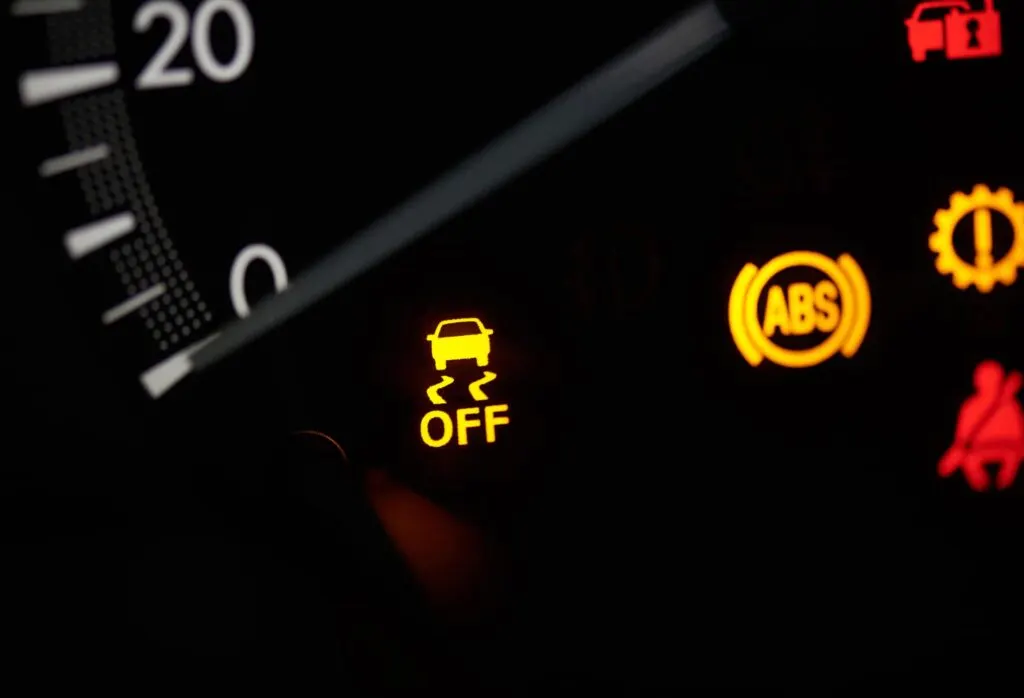
Regularly inspecting ABS sensors can catch a developing fault before the warning light ever comes on. A quick visual check every oil change for loose wiring or corrosion buildup around the sensor connectors is usually enough to catch problems early.
Preventative maintenance, rather than waiting for the light to flash, tends to be cheaper and less stressful than a reactive repair after the warning appears.
Tire Pressure and ABS Sensor Function
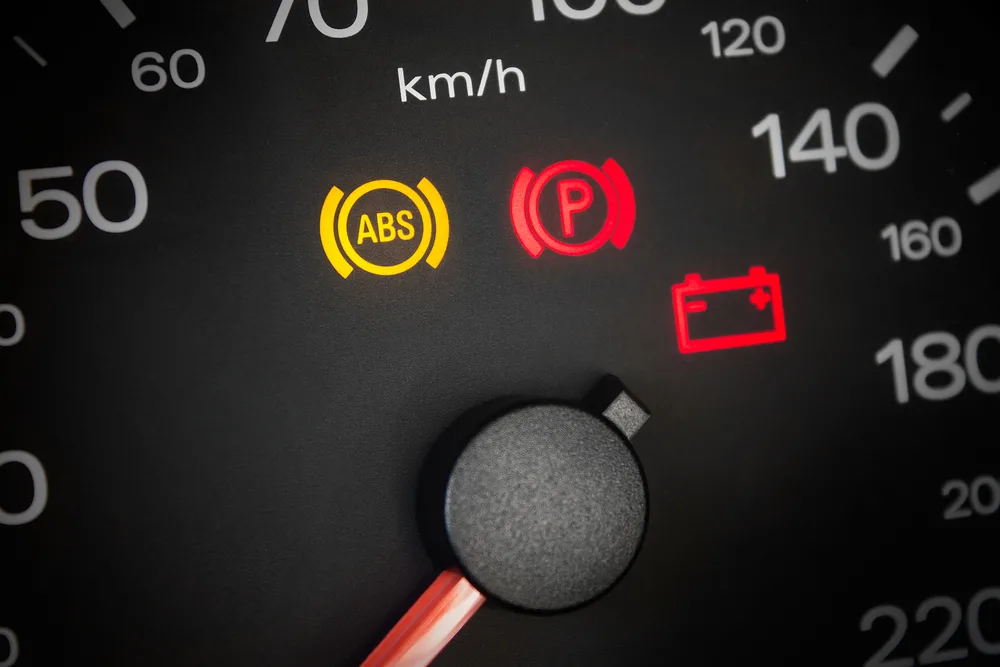
Maintaining correct tire pressure matters because ABS sensors measure wheel rotational speed, and underinflated tires can throw those readings off. Checking pressure every few weeks with a tire gauge keeps the system reading accurately and supports normal handling and braking performance.
Winter Driving and ABS Maintenance
Winter conditions add extra risk for ABS components, since snow, slush, and road salt work their way into ABS sensor connectors and wiring over time. Rinsing the undercarriage regularly during winter helps flush out built-up debris before it turns into corrosion.
A brake fluid flush heading into spring is also a reasonable precaution after a winter of heavy salt exposure, particularly ahead of the added heat stress of summer driving.
Why the Warning Shouldn't Be Ignored
Ignoring a flashing ABS and brake light means losing the anti-lock system's benefit exactly when it matters most: during a hard stop or on a slippery road. Addressing the light promptly, rather than dismissing it as a minor glitch, is the safer approach and typically the cheaper one too.
Summary
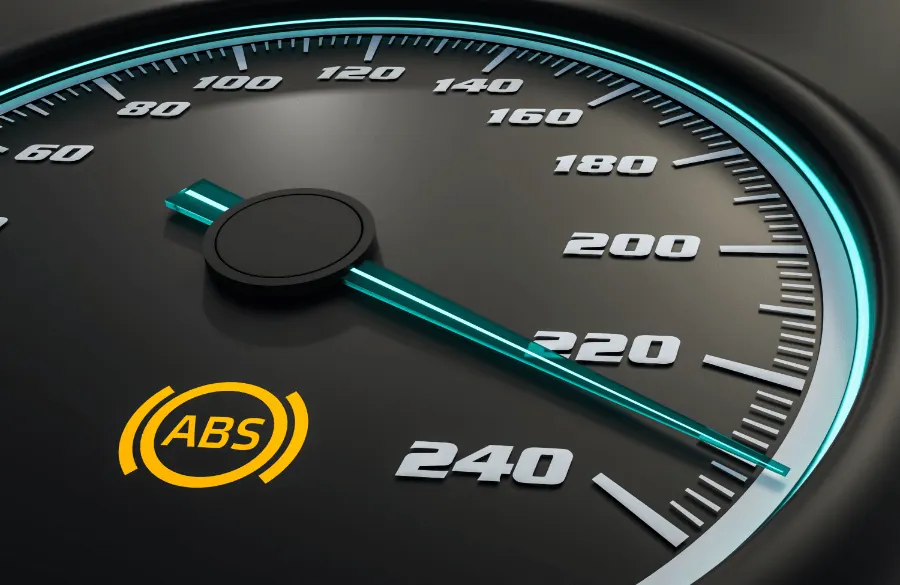
Replacing a faulty ABS wheel speed sensor typically resolves flashing or constant ABS and brake warning lights. Staying on top of periodic sensor inspections, tire pressure checks, and winter undercarriage maintenance helps prevent the issue from recurring and keeps the anti-lock system ready when it's needed. For more on how ABS integrates with the rest of the brake system, see Wagner Brake's guide to ABS brakes.
FAQ
How can you tell if it's specifically the ABS sensor going bad vs a different brake issue?
Diagnostic codes pulled with a scan tool are usually very specific to the ABS sensor. Signs to watch for include flashing brake lights, a pulsating pedal, and brake issues that come and go rather than staying constant.
About how much should I expect to pay for an ABS sensor replacement?
Labor is usually the bigger cost since it involves removing some parts to access the sensor. Sensors typically range from $100 to $250, and most shops charge 1 to 2 hours of labor, so plan for a $300 to $500 repair depending on the vehicle.
What are some signs an ABS module itself may need replacing?
If multiple sensors fail, or the problem continues after replacing a sensor, the module could be at fault. Signs include abnormal pedal pulsation, odd brake behavior, or error codes that can't be pinned to one sensor.
Can you fix it yourself or is shop work required?
Most ABS sensor replacements require disassembly that's best left to a professional. Some newer vehicles have more accessible sensors that an experienced DIYer could potentially swap.
Any tips to avoid this in the future after getting it repaired?
Beyond periodic inspections, gentle driving helps, since hard stops put heavy strain on ABS components. Addressing minor issues sooner rather than later also prevents further wear.
Safety note: This guide is for general informational purposes. Brake systems are safety-critical — if you're unsure at any step, or the work requires specialized tools, have it inspected or completed by a qualified technician.
Related Guides
 Gmc Brakes
GMC Brake Noise Chart — What Each Sound Means
A quick-reference chart matching common GMC brake noises — squealing, grinding, clicking, and more — to their likely cause and how urgently to act.
 Gmc Brakes
Gmc Brake Error and Solution
Understanding The GMC Brake Error: A Comprehensive Overview The GMC brake error represents a critical safety concern that manifests in various GMC vehicle models, particularly affecting the electronic brake control module (EBCM). This error typically indicates a malfunction in the brake system’s ele
 Gmc Brakes
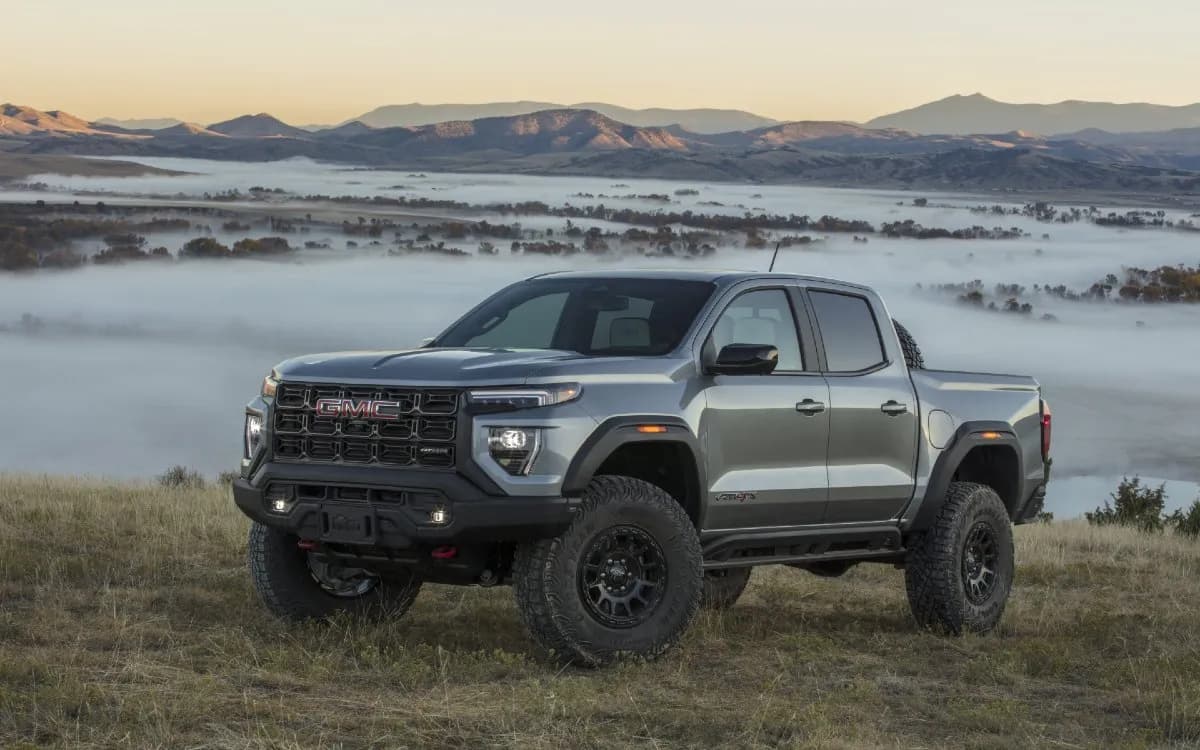
2024 GMC Canyon Faces Stop-Sale Order Amidst Headlight Concerns
This was quite a shocking revelation where General Motors has ordered for the total stop sale of some 2024 GMC Canyon vehicles. This has been done according to GM recall number N242468880 and communicated to NHTSA, with respect to the new and the used vehicles in the concerned 2024 GMC Canyon lots.