Are More Expensive Brakes Better for Your GMC?
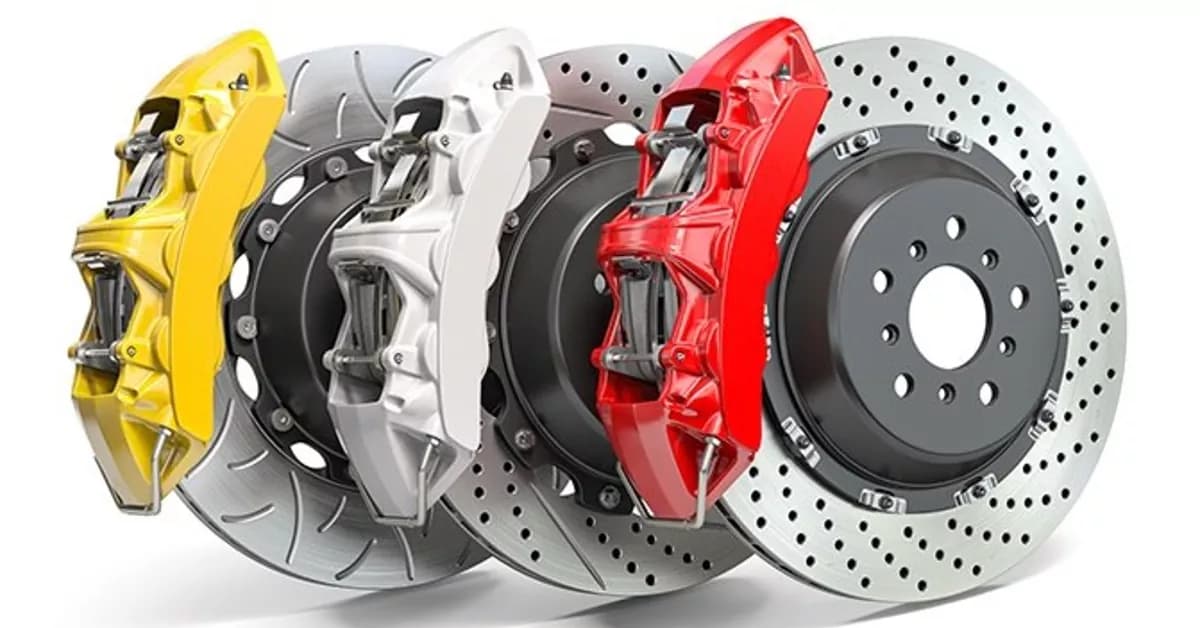
GMC Sierra owners often ask whether premium brake components are worth the extra cost over stock parts. Ceramic pads, drilled rotors, and full brake kits all promise better stopping power and less dust, but the value depends heavily on how the truck gets driven and loaded.
These trucks aren't lightweight, and towing or mountain driving puts far more stress on a braking system than daily commuting does. That's why the right brake setup for one owner can be overkill, or not nearly enough, for another.
What Are the Options?
The stock OEM brake setup that comes from the factory handles most daily driving just fine. Owners who regularly haul or tow heavier loads, however, tend to look for an upgrade that resists fade over long descents or repeated hard stops.
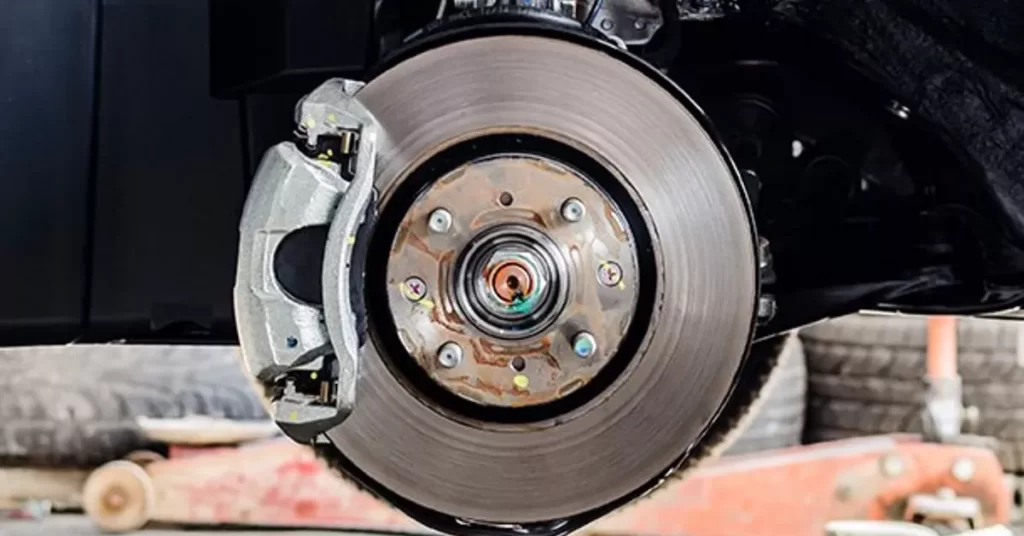
The main options generally fall into these price tiers:
- Stock OEM brake pads: around $100-150 per axle
- Ceramic brake pads: $200-300 per axle
- Drilled/slotted rotors with semi-metallic pads: $400-600 per axle
- Full brake kit with drilled/slotted rotors and ceramic pads: $800+ per axle
Each tier trades cost for stopping power, dust reduction, and cooler operating temperatures. Whether that trade-off is worth it comes down to how the truck actually gets used.
Do Premium Brakes Actually Perform Better?
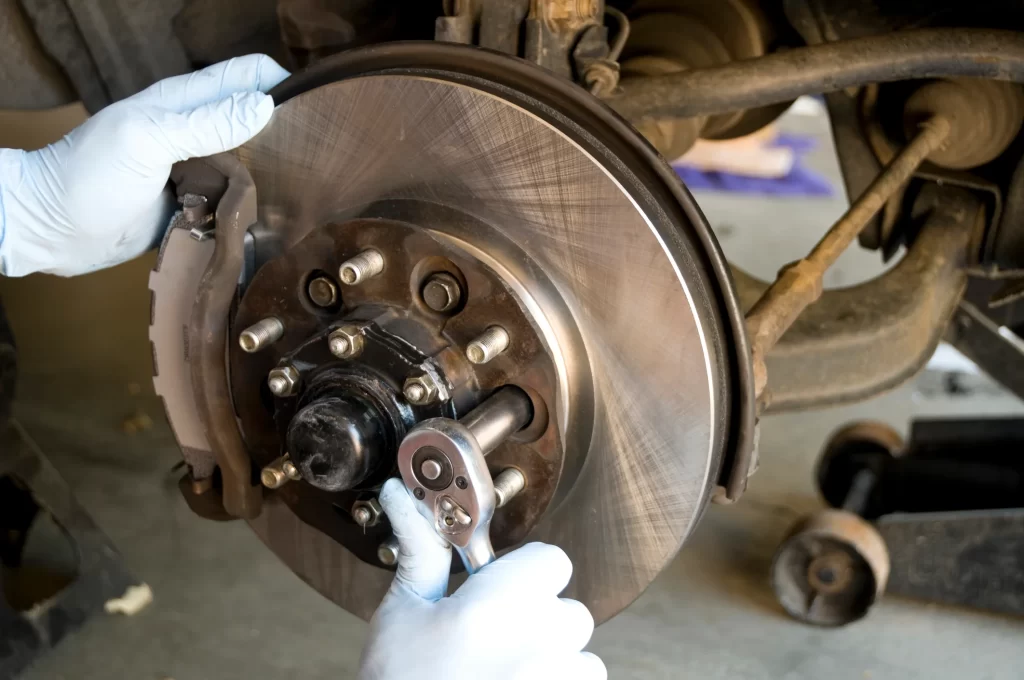
Full brake kits with drilled/slotted rotors and ceramic pads up front tend to show a real, noticeable improvement in stopping power and dust buildup compared to stock components. Many owners also report the front components running cooler after long downhill drives, since drilled and slotted designs help dissipate heat faster.
A common approach is upgrading only the front brakes, since they handle the majority of the braking load, and leaving the rear as stock pads and rotors. Under heavy braking, the rear axle typically fades a bit sooner than an upgraded front setup, and rear wheels tend to collect more dust without the ceramic upgrade.
For anyone who tows a trailer or drives regularly in the mountains, that extra front-end stopping power translates directly into more confidence behind the wheel.
How Durable Are Upgraded Brake Components?
Drilled rotors and ceramic pads generally hold up well over time when installed correctly and maintained on a normal service schedule. Owners who upgrade often report that drilled front rotors show far less cracking or warping than the factory rotors they replaced, since factory rotors on these trucks can warp well before the 80,000-mile mark under heavy use.
Routine inspections are still the best way to confirm how a given brake kit is holding up, since wear rates vary a lot with driving style, load, and climate. A kit that looks great after two years of mixed driving might wear faster under constant towing.
Maintenance and Lifespan
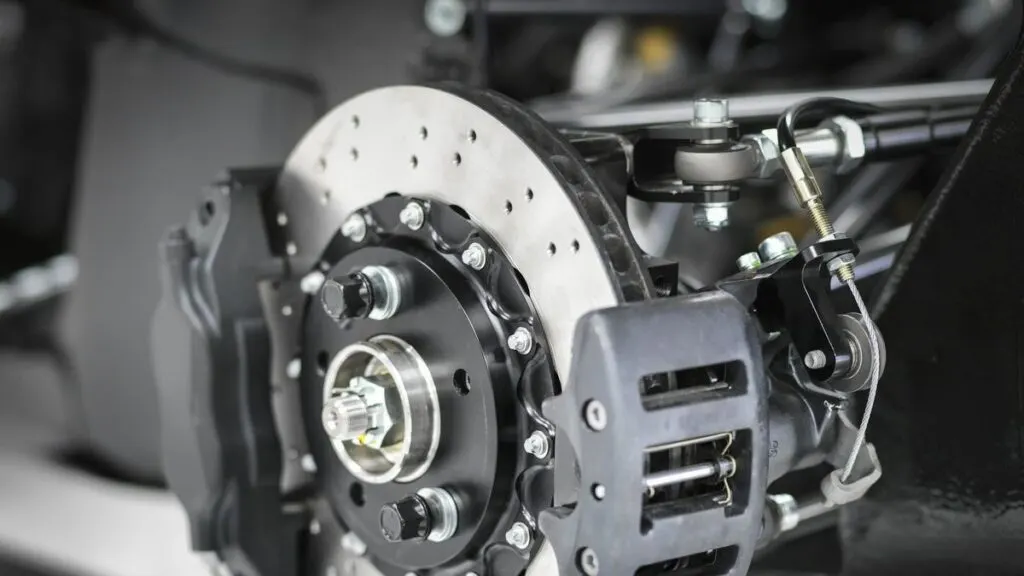
A key factor when considering any brake upgrade is not just the initial cost, but also the maintenance costs down the road. Cheaper brakes may need more frequent replacement, while premium components can often go longer between services when maintained properly.
Regular inspections matter more than the price tag alone. Even a premium kit needs periodic checks, especially after towing loads through hilly terrain, to confirm pad wear stays within a safe range.
Are Expensive Brakes Necessary?
Are expensive brakes an absolute must-have? Not for most drivers. Stock brakes handle daily commuting without heavy loads just fine, and the added stopping power of a premium kit goes largely unused in that kind of driving.
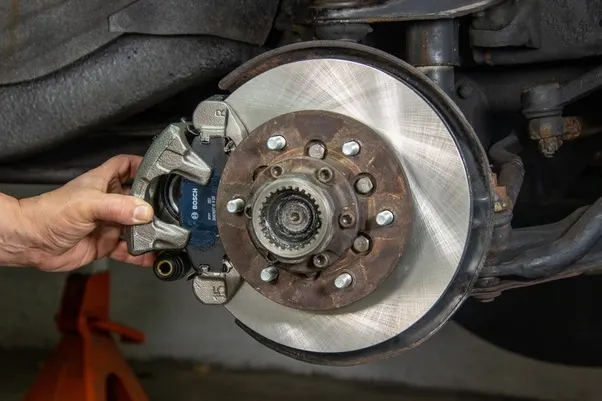
For owners on a budget, upgrading just the front brakes is a reasonable compromise, since the front does the bulk of the braking work. The rear can usually stay stock for occasional use without a noticeable downside.
Expensive brakes start to make more sense for drivers who fall into any of these categories:
- Regularly tow a heavy trailer
- Drive in mountainous areas
- Want the best performance for track use
- Want to minimize brake dust as much as possible
- Aren't limited by budget
For casual driving around town without loads, stock brakes typically get the job done. For anyone who wants more confidence and capability from their truck, a premium brake upgrade is a reasonable investment.
Final Thoughts
Expensive brakes aren't strictly necessary. Stock components will get most GMC trucks stopped safely under normal conditions. But for regular towing, off-roading, or high-performance driving, the added stopping power and durability of a premium brake kit tends to be worth the cost.
Upgrading the fronts first, and revisiting the rears later if towing or driving conditions change, is a practical way to balance cost against performance. Premium components cost more upfront, but the stopping power and peace of mind they add can be worth it over the life of a GMC truck.
FAQ
Do I need to upgrade all four wheels?
No, upgrading just the fronts is a common and reasonable approach. The front brakes handle about 70% of a vehicle's total braking force. The rears help with stability and secondary stopping power but matter less for outright stopping distance, so upgrading the fronts first is a sensible way to stay on budget.
Will ceramic pads really reduce dust?
Yes, ceramic brake pads produce noticeably less dust than conventional semi-metallic pads, since the dust burns off during braking instead of grinding off the pad material. Many owners notice a real difference in how clean their wheels stay. Ceramic pads can be a bit noisier during the initial break-in period, though.
What about drilled or slotted rotors?
Drilled and slotted rotors are more about appearance and slightly cooler operation than major performance gains. They help dissipate heat a little faster during aggressive stops, but most of the real-world performance benefit comes from upgrading the pad material rather than the rotor styling.
Do I need to upgrade my calipers too?
In most cases, no, the stock calipers are sufficient. If the calipers are old or corroded, new ones can improve braking feel and consistency. Upgrading calipers becomes more important for heavy towing, hauling, or track use that generates significant heat. For everyday street driving, focus on pads and rotors first.
Will this void my warranty?
Replacing brake pads and rotors following standard procedures won't void a manufacturer's powertrain warranty. Using components sized the same as stock avoids most compatibility issues. Going with significantly larger brakes could cause problems down the line, but swapping like-for-like parts typically won't raise any red flags.
Safety note: This guide is for general informational purposes. Brake systems are safety-critical — if you're unsure at any step, or the work requires specialized tools, have it inspected or completed by a qualified technician.
Related Guides
 Gmc Brakes
GMC Brake Noise Chart — What Each Sound Means
A quick-reference chart matching common GMC brake noises — squealing, grinding, clicking, and more — to their likely cause and how urgently to act.
 Gmc Brakes
Gmc Brake Error and Solution
Understanding The GMC Brake Error: A Comprehensive Overview The GMC brake error represents a critical safety concern that manifests in various GMC vehicle models, particularly affecting the electronic brake control module (EBCM). This error typically indicates a malfunction in the brake system’s ele
 Gmc Brakes
2024 GMC Canyon Faces Stop-Sale Order Amidst Headlight Concerns
This was quite a shocking revelation where General Motors has ordered for the total stop sale of some 2024 GMC Canyon vehicles. This has been done according to GM recall number N242468880 and communicated to NHTSA, with respect to the new and the used vehicles in the concerned 2024 GMC Canyon lots.