2023 GMC Yukon Brake System
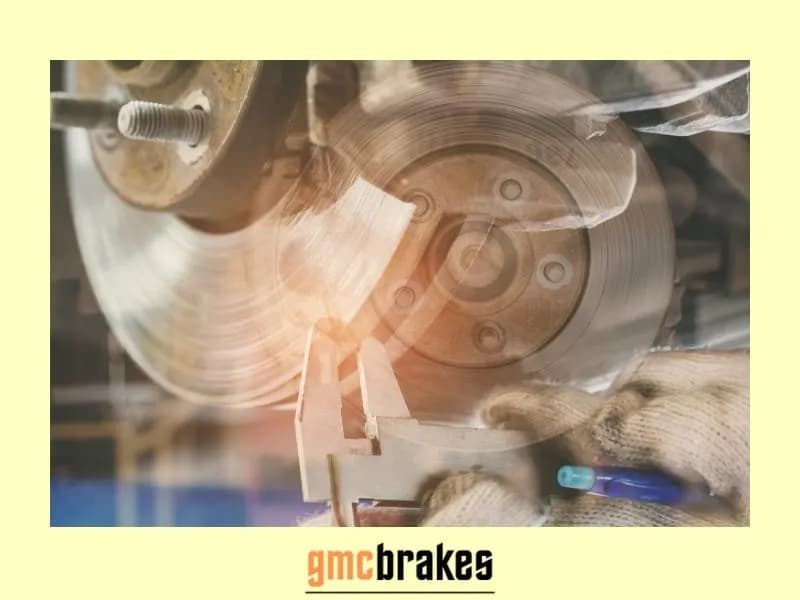
The 2023 GMC Yukon uses a full-size SUV brake system built around four main parts: pads, rotors, calipers, and brake lines. Each one has a specific job, and together they're what stops nearly three tons of truck when you hit the pedal.
Start with the pads. They're made from high-temperature friction material, and when you press the brake pedal, they clamp against the rotors to create the friction that slows the Yukon down.
The rotors themselves are designed to shed heat fast, which keeps braking consistent instead of fading after repeated stops. GM builds them from cast iron or steel, in sizes matched to trim and axle configuration.
Calipers hold the pads in place and squeeze them against the rotors using hydraulic pistons. Most are aluminum or steel, and depending on the trim, you'll find either fixed or floating designs.
Brake lines carry fluid from the master cylinder out to each caliper. They're built from steel or reinforced rubber so they can handle high pressure and years of road exposure without cracking.
None of this matters much if the system isn't maintained. Regular inspections, pad and rotor replacement when worn, and periodic fluid flushes are what keep a Yukon's brakes performing the way GM designed them to.
2023 GMC Yukon Brake Kits – Rotors and Pads
Brake kits bundle everything needed for an upgrade, rotors, pads, and hardware, into one purchase. They're a popular route for Yukon owners who want more stopping power without piecing the job together part by part. Plenty of kits on the market today are built specifically for the Yukon's fitment.
The rotor is the core of any kit. It's the disc the pads clamp onto every time you brake, and factory units are already built to handle the heat and friction that generates. If you're looking to go beyond stock, aftermarket rotors in cast iron, ceramic, or carbon fiber composite can dissipate heat faster, resist fade better, and hold up longer under hard use.
Pads matter just as much. They're what actually creates the friction that slows the truck down, and the factory pads on a Yukon are tuned for reliable, predictable stops. Swapping in aftermarket pads can cut down on brake dust, sharpen pedal feel, and extend the interval between replacements.
A few kits show up again and again in Yukon owner forums and shop recommendations: PowerStop's Z36 Truck and Tow, EBC's Stage 5 Superstreet, and the Brembo GT kit. Each pairs matched rotors and pads engineered to work together, rather than mixing components that were never tested as a set.
Whichever kit you land on, stick with reputable brands and don't skip the inspection schedule afterward. A good kit only performs as well as the maintenance behind it.
2023 GMC Yukon Brake Pads
Brake pads are the part of the system that makes direct contact with the rotor, and that contact point is what actually stops the Yukon. It's a simple job on paper, but getting it wrong affects everything from stopping distance to how smooth the pedal feels underfoot.
Factory pads on the 2023 Yukon are typically semi-metallic, ceramic, or organic depending on trim and package, and all three are built to hold up under the heat and friction of daily braking. Which one you get from the factory isn't something most buyers choose directly, it comes down to the configuration GM ships with that trim.
Aftermarket pads open up more options if you want to fine-tune performance. Upgrading can mean stronger stopping power, less dust on your wheels, or simply pads that last longer between replacements. Here's how the three main types stack up:
Ceramic pads tend to run quieter and produce less dust, and they hold up well to heat over a long service life. They're a solid default for owners who want low-maintenance daily performance.
Semi-metallic pads trade a bit of that quiet operation for stronger stopping power and durability. The metallic content in the mix helps them shed heat under harder use, which is useful for towing or mountain driving.
Organic pads, made from materials like rubber, glass fiber, and Kevlar, are gentler on rotors and give a softer pedal feel. They don't quite match the stopping power or lifespan of ceramic or semi-metallic options, though.
Whichever direction you go, the pad choice should match how you actually drive the truck. A Yukon used mostly for commuting has different needs than one that's towing a trailer every weekend.
2023 GMC Yukon Brake Hardware
Brake hardware doesn't get much attention until something goes wrong, but calipers, lines, clips, and bolts are what keep the pads and rotors aligned and doing their job correctly. Skip this part of the system and even good pads and rotors won't perform the way they should.
Calipers squeeze the pads against the rotors, and on the Yukon they're typically aluminum or steel, built in either fixed or floating configurations depending on axle position. It's a design GM has refined over years of full-size SUV production.
Brake lines carry hydraulic pressure from the master cylinder out to each caliper, and they're made of steel or rubber to handle that pressure along with years of heat cycling. Worth checking these regularly, since a line that's worn through or cracked can lead to a sudden loss of braking, not something you want to discover mid-drive.
If you're replacing or upgrading hardware, full kits are available that bundle calipers, lines, pads, and the smaller clips and bolts into one package. Going with a quality kit tends to mean better fade resistance and a longer service life than piecing components together separately.
As with the rest of the brake system, none of this replaces regular inspection. Catching worn hardware early is a lot cheaper than dealing with brake failure later.
2023 GMC Yukon Brake Fluid
Brake fluid is the part of the system most owners forget about, but it's what actually transmits pedal pressure to the calipers. Without it, the whole hydraulic system, pads, rotors, and calipers included, has nothing to work with.
The Yukon's brake fluid reservoir sits under the hood, usually a plastic container holding a set amount of fluid. Check the cap: it's labeled with the fluid type GM specifies for that reservoir.
For the 2023 Yukon, that's DOT 3, a glycol-based fluid built to handle high heat without breaking down. Stick to DOT 3 specifically. Mixing in another type can damage the brake system or cause it to fail outright.
Keep an eye on the fluid level in the reservoir and top it off when needed. A level that keeps dropping usually points to a leak somewhere in the system, and that's worth having a mechanic track down rather than just topping off repeatedly.
Fluid also needs periodic replacement, follow the interval in your owner's manual. Over time it absorbs moisture from the air, which lowers its boiling point and can lead to a spongy pedal or, worse, corrosion inside the lines and calipers. Fresh fluid on schedule is a cheap way to avoid a much more expensive repair.
How to Maintain 2023 GMC Yukon Brake System?
Maintaining your brake system is crucial for safe driving, and here are some tips for maintaining your 2023 GMC Yukon brake system:
Regularly inspect brake pads and rotors: Inspect your brake pads and rotors every six months or so to check for signs of wear and tear. Replace brake pads if the thickness is less than 1/8 inch or if there is any damage or uneven wear.
Check brake fluid level: Check the brake fluid level regularly and make sure it is within the recommended range. Low brake fluid can cause a spongy brake pedal and reduce braking performance.
Replace brake fluid: Brake fluid should be replaced every two years or as recommended in your vehicle’s owner manual. Old brake fluid can become contaminated and lose its effectiveness.
Keep brake system clean: Clean the brake system regularly to prevent dirt and debris from accumulating in the brake calipers and causing damage.
Avoid hard braking: Avoid sudden, hard braking as it puts extra strain on the brake system and can cause premature wear.
Have the brake system inspected by a professional: Schedule regular brake system inspections with a qualified mechanic to ensure that all components are working properly and catch any potential problems early on.
By following these tips, you can help ensure that your 2023 GMC Yukon brake system stays in good condition and continues to provide reliable stopping power.
Safety note: This guide is for general informational purposes. Brake systems are safety-critical — if you're unsure at any step, or the work requires specialized tools, have it inspected or completed by a qualified technician.
Related Guides
 Gmc Brakes
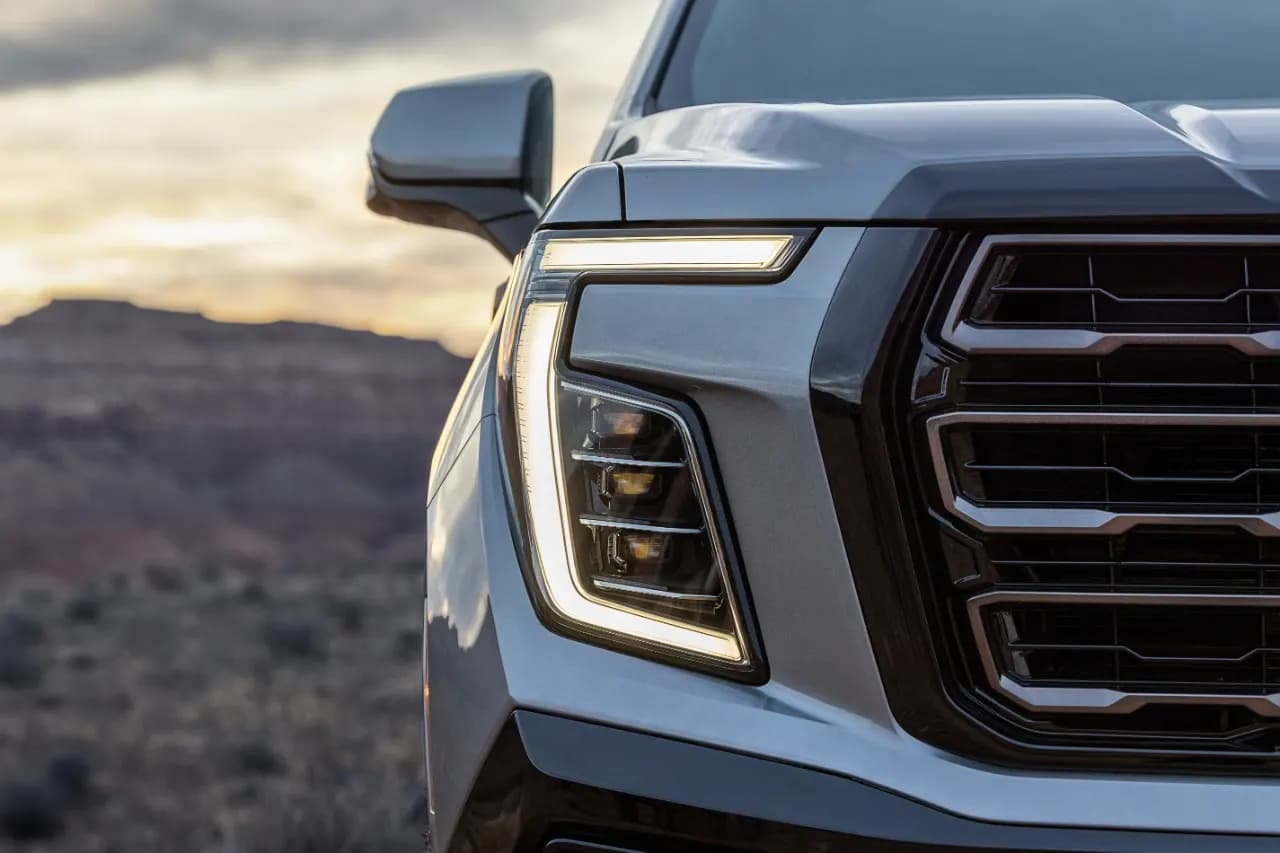
Refreshed 2025 GMC Yukon Set to Make a Bold Statement in August
Prepare yourself for the unveiling of the 2025 GMC Yukon set to make its official debut on August 19th, 2024, by General Motors. This year the car manufacturer gave us a sneak peek of the redesigned SUV. With an updated appearance, a technology interior and changes in its powertrain options the 2025
 Gmc Brakes
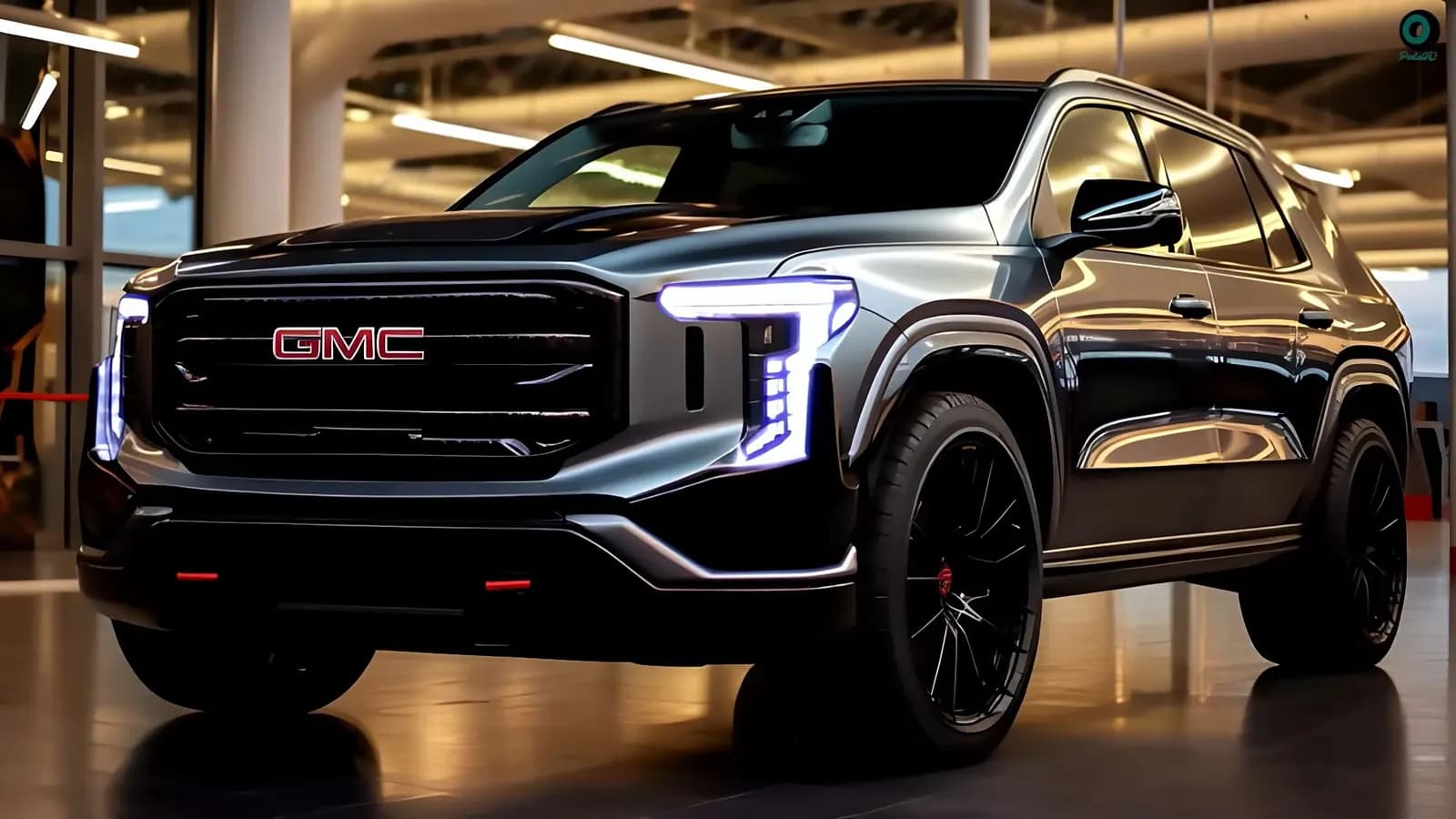
All About the Much-Anticipated 2025 GMC Yukon
So when can we actually expect to see the 2025 GMC Yukon in our hands? The current estimate points to a 2024 or 2025 release date.
 Gmc Brakes
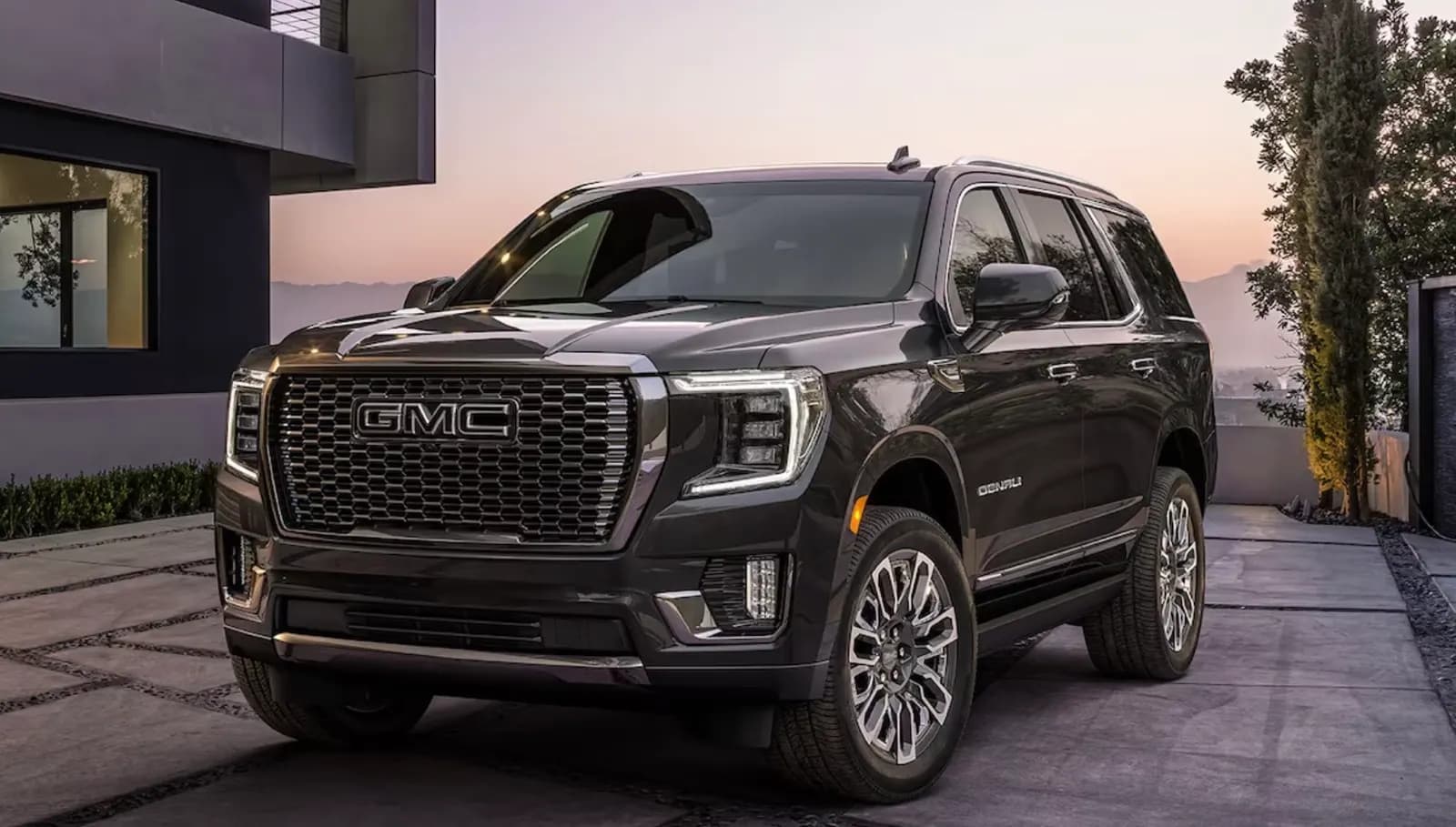
2023 GMC Yukon Configuration
The 2023 GMC Yukon offers a diverse range of interior, powertrain, and feature-set 2023 GMC Yukon configurations to suit all lifestyles.